Noctua and Forced Physics chase 2000 W air cooling for desktops
Noctua has entered a long-term research partnership with Forced Physics DCT to adapt its JouleForce micro-channel array, rated above 2000 W, for desktop PCs.
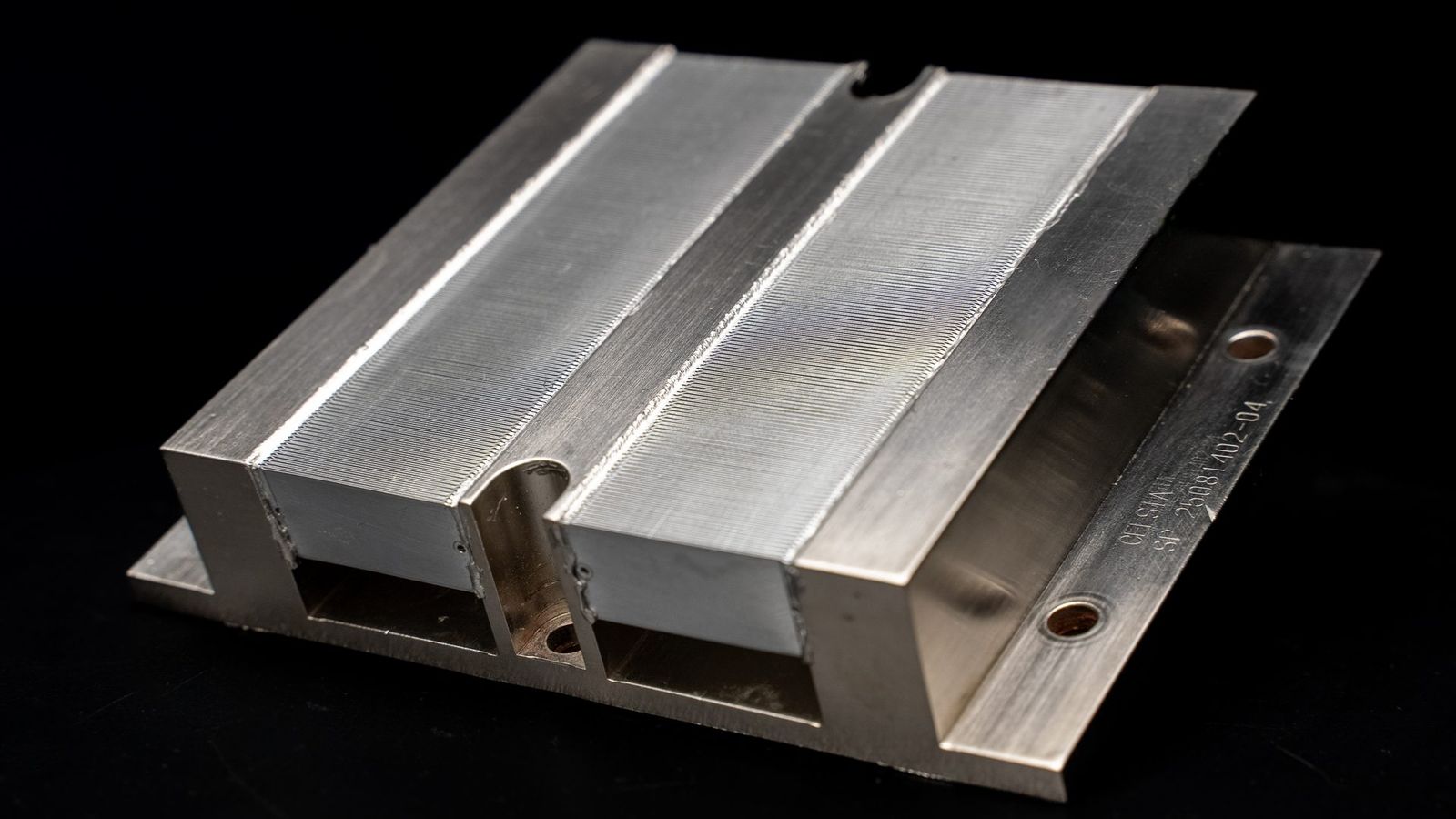
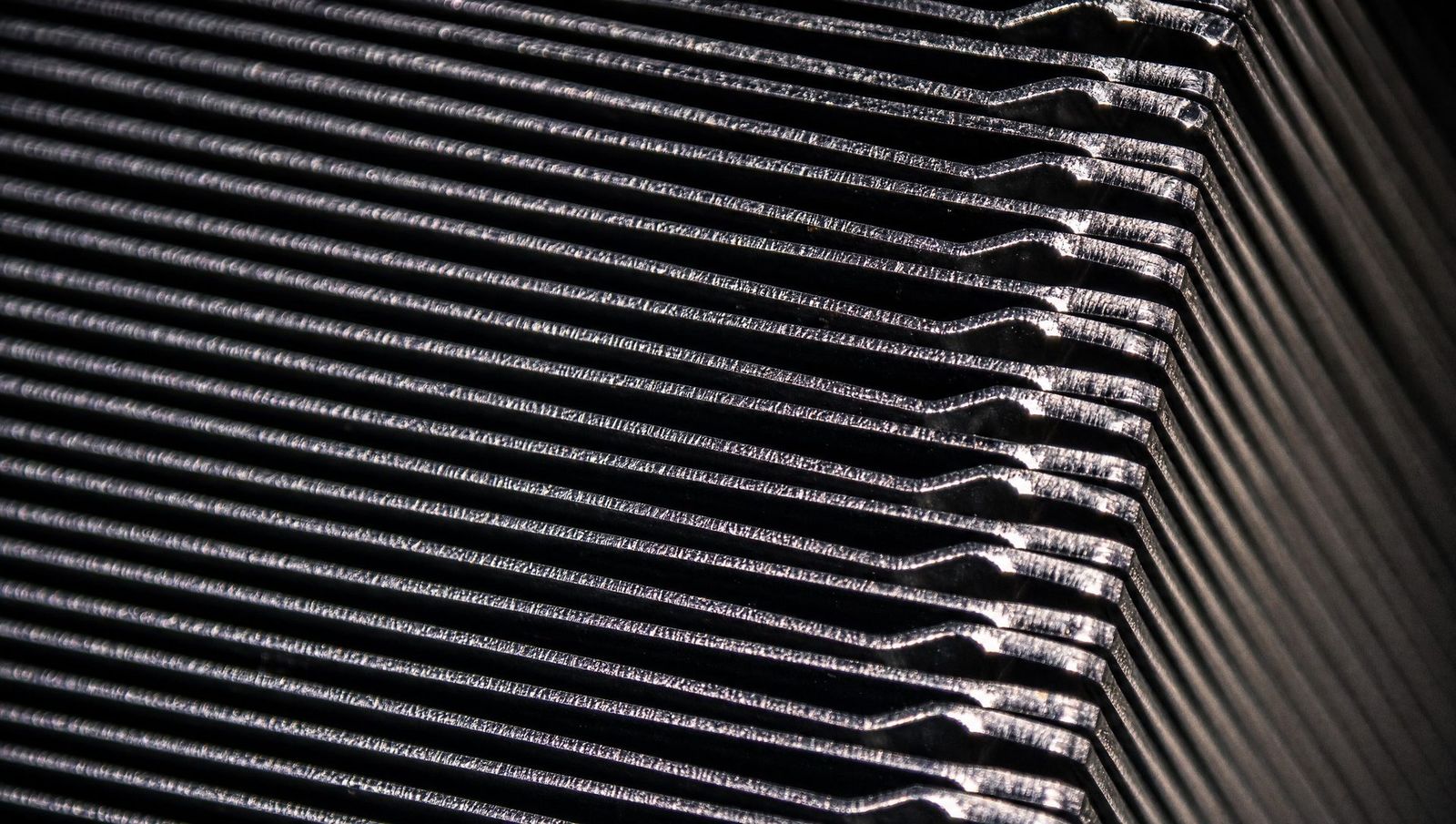
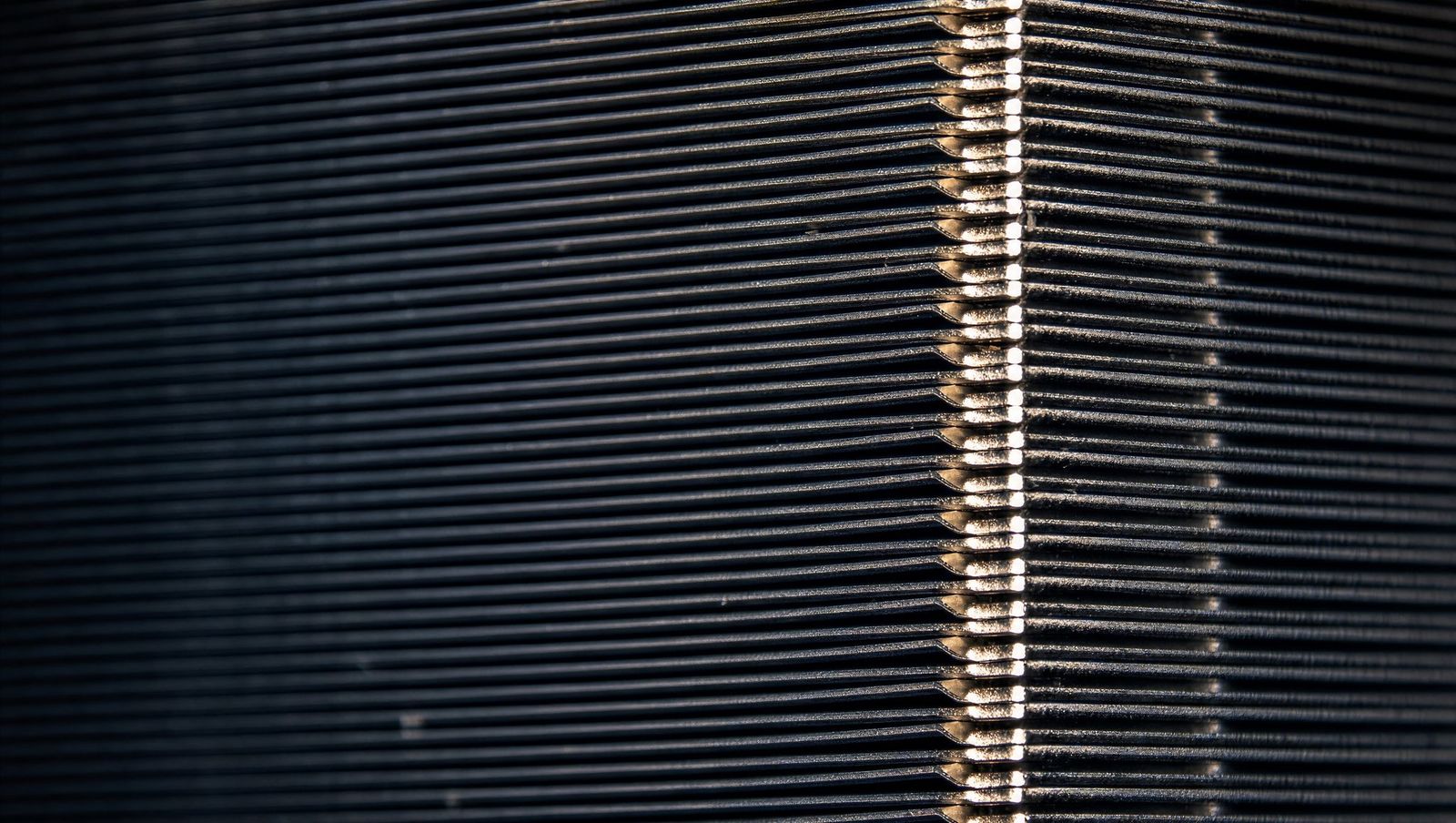
That is the figure Forced Physics DCT attaches to its JouleForce micro-channel array, a cooling platform that pushes air through channels so small the thermal boundary layer that caps conventional heatsinks simply does not form. The old assumption—that air cooling tops out where fin geometry meets the boundary layer—dies here.
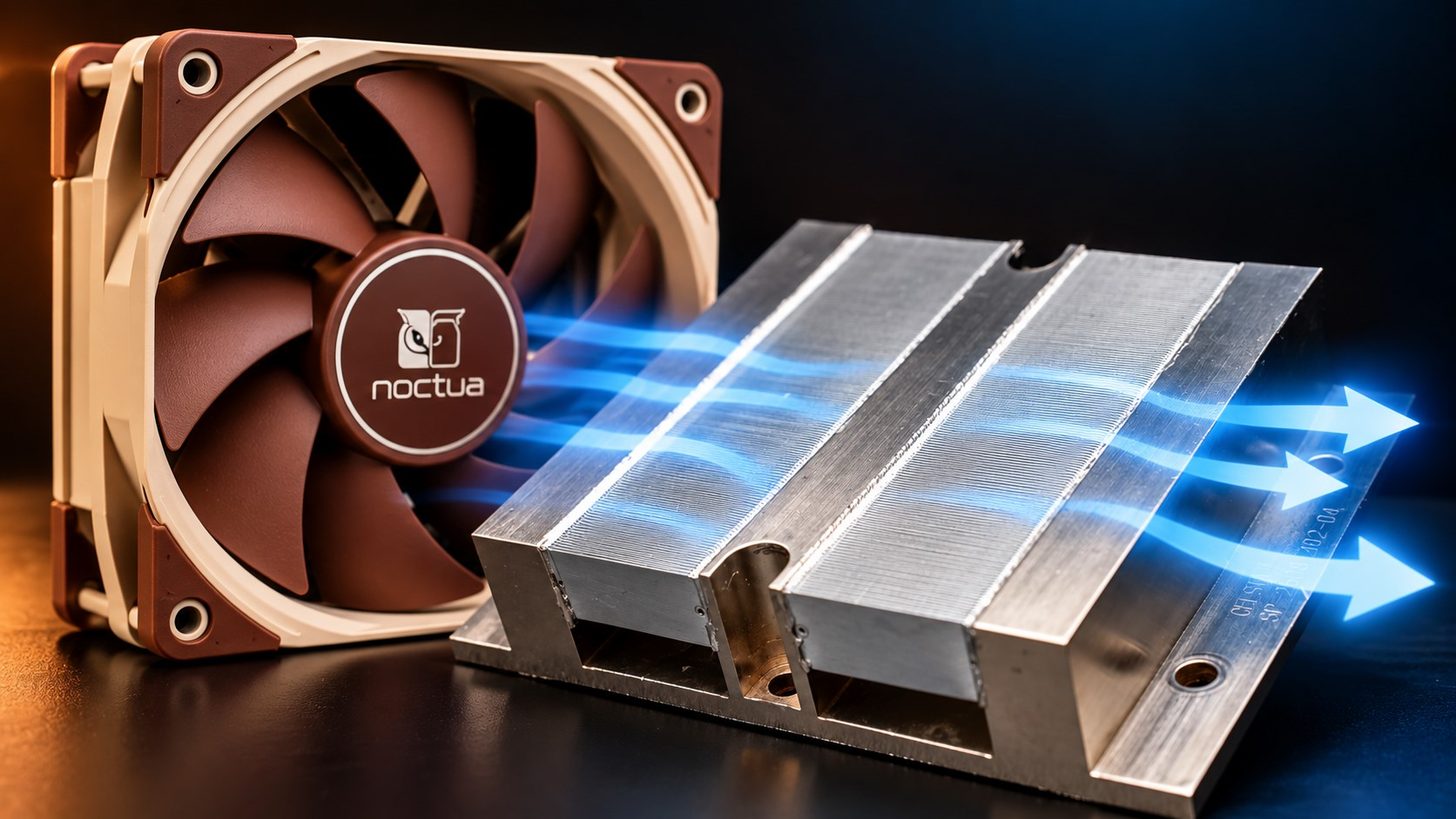
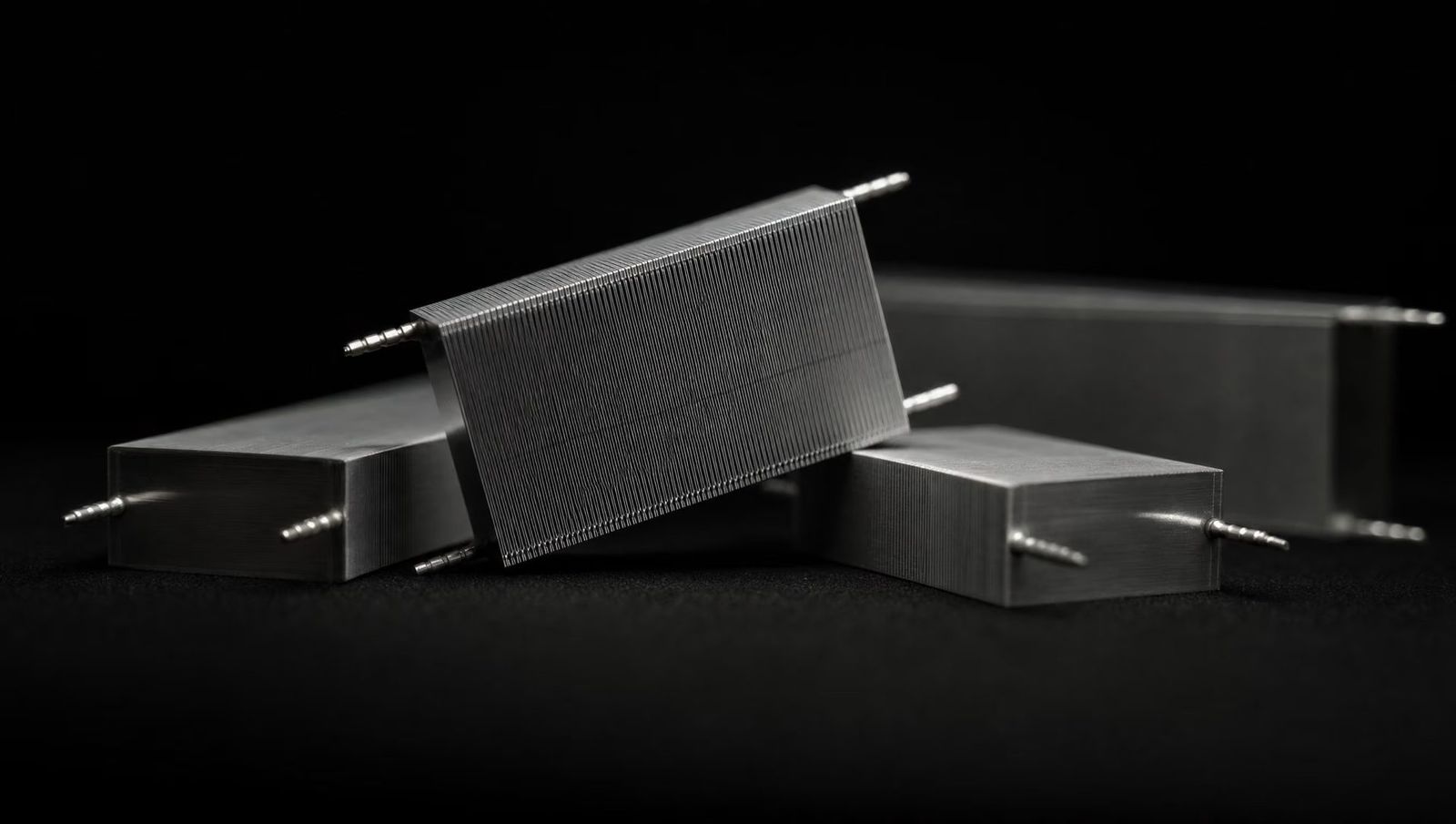
Straightforward in principle. Air is forced through channels of a diameter far below what a standard heatsink fin gap provides, so the channel walls sit close enough to the heated surface that the air interacts with it directly rather than diffusing through a stagnant boundary layer. The source describes this as enabling interaction with heated surfaces more effectively than the large-fin approach, where the boundary layer restricts dissipation to a slower rate. No liquid loop is involved; the platform is pure forced air through a dense array of micro-channels.
Those channels demand a static pressure that conventional PC fans cannot generate. Current JouleForce deployments in data centers and AI accelerator racks run on industrial blowers, high-speed centrifugal fans, and in some cases vacuum pumps. None of those fit inside a desktop case, and none of them are quiet enough to sit next to a keyboard. The source notes that these are not ideal for regular desktop PCs, particularly due to loud operation, which is precisely why Noctua was brought in.
Noctua entered a long-term research partnership with Forced Physics DCT to close that gap. Scott Davis, the company's founder and CEO, framed the problem plainly: desktop and workstation airflow constraints differ fundamentally from data-center deployments, and Noctua's expertise in quiet, high-pressure air movement is the missing piece. The stated goal is to reach the required static pressure within the size, noise, and reliability envelope of a desktop PC, using Noctua's existing fan and blower design knowledge rather than importing industrial equipment into a consumer case.
What is not in the source: a channel diameter, a static-pressure target for the desktop variant, a noise floor, a prototype date, or a product timeline. The 2000 W figure is qualified as "under suitable conditions," and those conditions are not named. Noctua has not committed to a product, and the partnership is described as research, not development.
The question to watch is whether Noctua can generate the necessary static pressure at a noise level that does not defeat the purpose of a desktop cooler, and whether the micro-channel array can be manufactured at the volumes and tolerances a consumer product requires. If the answer is yes, the thermal ceiling for air-cooled desktops moves by an order of magnitude. If it is no, JouleForce stays where it is: a data-center tool with no desktop future.
The micro-channel array eliminates the boundary-layer bottleneck that caps conventional heatsinks, but the static-pressure requirement is the binding constraint for desktop deployment. Noctua's fan design expertise is the only credible path to closing that gap without importing industrial blowers into a consumer case.
JouleForce handles >2000 W under suitable conditions · Micro-channel array, no liquid loop · Current deployments use industrial blowers, centrifugal fans · Partnership announced Sep 26, 2026
After Wccftech Hardware. We did not report this. The pictures, if any, are theirs.