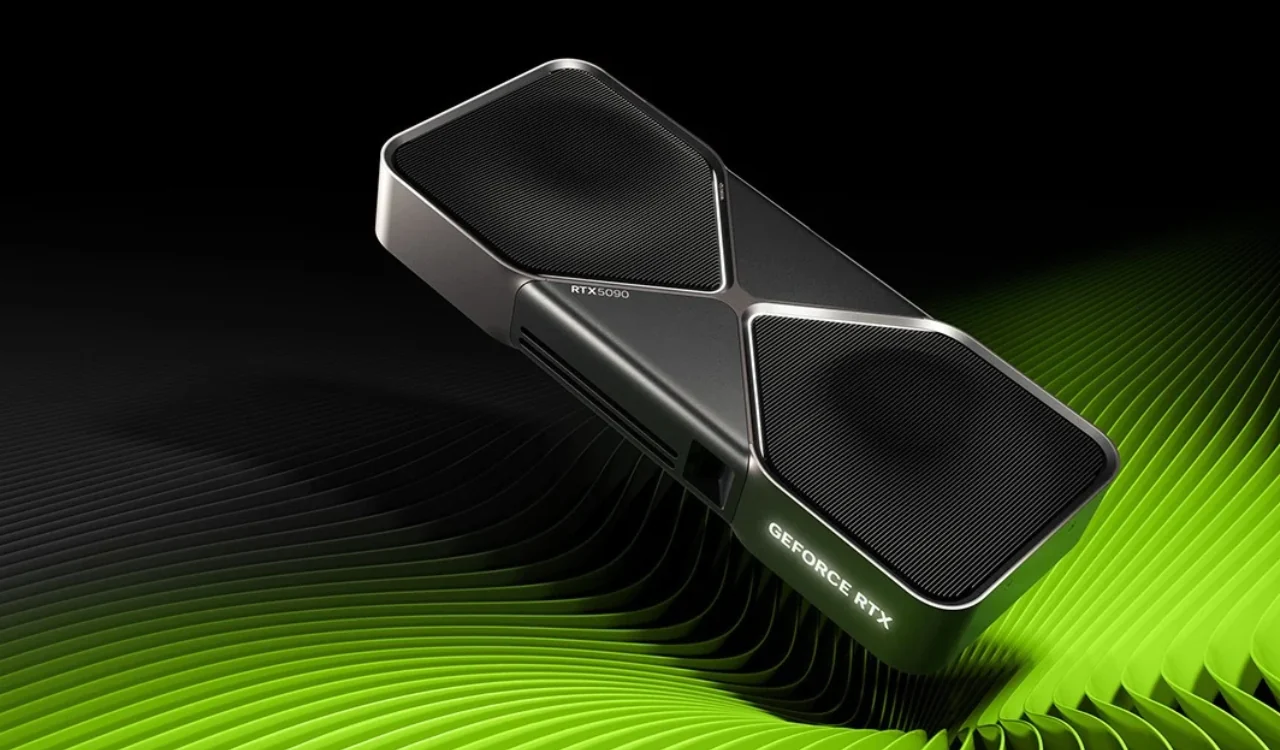
The 24GB RTX 5080 was a capacity card, and it is gone
The cancelled RTX 5080 24GB was never a speed card. On a 256-bit bus, the larger memory chips add capacity, not bandwidth—the theoretical ceiling is roughly 7 percent more throughput—and its real value was fitting a 32-billion-parameter model at 4-bit weights, which the 16GB card
The 16GB RTX 5080 on sale runs a 256-bit bus at 30 Gbps, yielding 960 GB/s. An older gathered leak rated a 24GB variant at 32 Gbps on the same bus width, which would be 1024 GB/s—a 64 GB/s gap, about 7 percent. That is the ceiling. The bus does not get wider, so the larger chips do not add speed by themselves.
What the 24GB card actually unlocked was capacity. At 4-bit weights, a 32B model needs 16 GB of weights alone. On the 16GB card, that leaves zero room for context. On a 24GB card, 8 GB remains for the conversation. That is the difference between running the model and not running it.
The cancellation, attributed to GDDR7 costs, removes that path. The 16GB model continues. No new timeframe was given for a replacement.
OC3D and VideoCardz report the cancellation based on Board Channels. The 32 Gbps figure comes from kopite7kimi's earlier leak, not from NVIDIA. The 24GB card was never officially announced, benchmarked, or confirmed to ship at any pin rate. Nobody measured it.
The 7 percent bandwidth figure is a ceiling derived from an older leak (kopite7kimi) that is not the same card as the one NVIDIA cancelled. The cancelled card, as reported, states no pin rate and is a capacity change only. The checked sheet explicitly warns against copying the 32 Gbps rate onto the cancelled card. The real cost is not lost throughput; it is lost model fit.
Die Brief desk. The claim is ours. Facts from videocardz.com, OC3D. Pictures, if any, are from those pages.