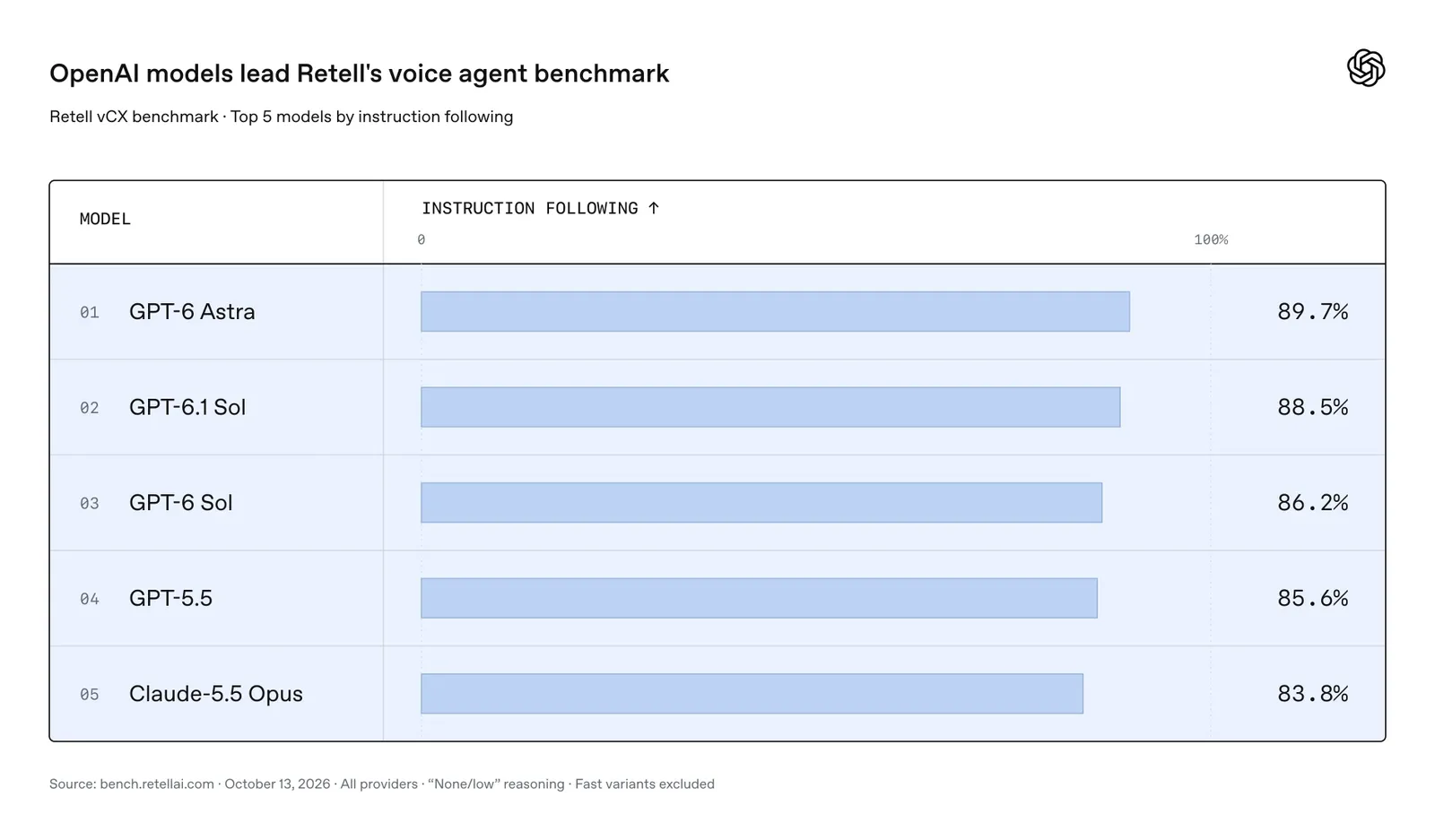
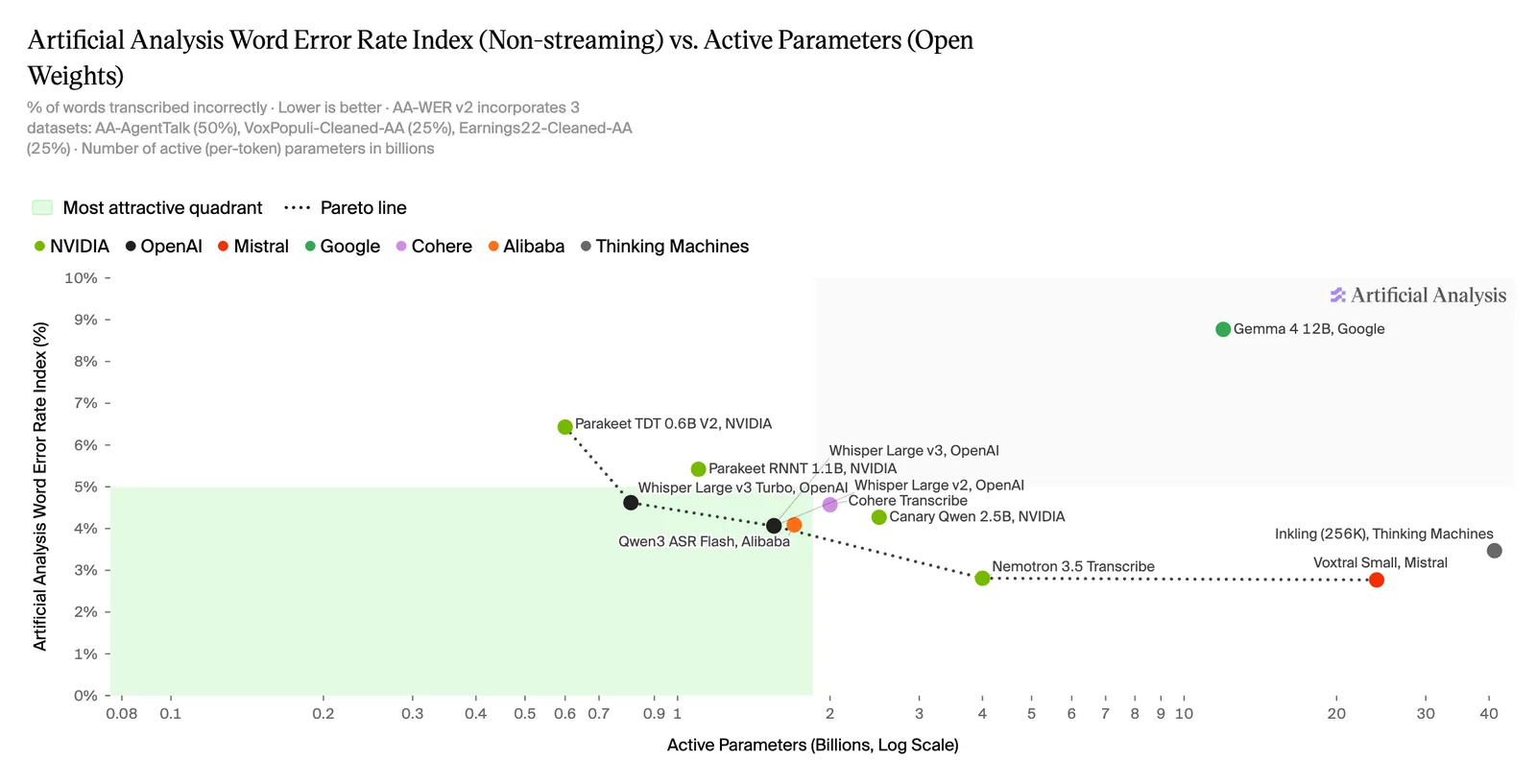
Gemini 4 Carbon enters the Gemini sequence
Google's blog page for Gemini 4 Carbon carries the title 'our next frontier model' and no other measurable content in the captured portion.
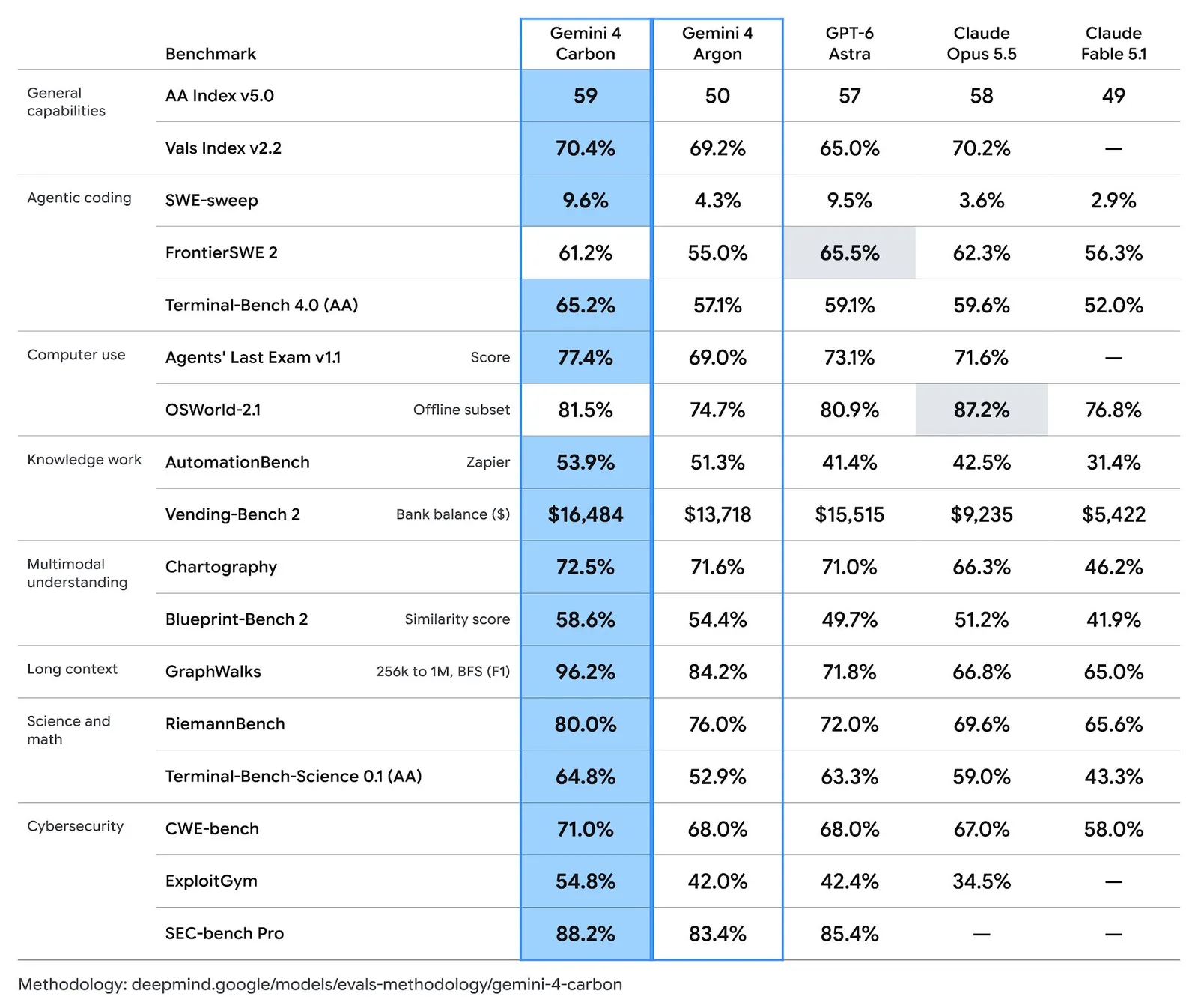
The page at blog.google/innovation-and-ai/models-and-research/gemini-models/introducing-gemini-4-carbon/ carries the title "Gemini 4 Carbon: our next frontier model." That phrase is the entire product description in the captured portion. Below it sits a share bar, a category breadcrumb under Innovation & AI, and the standard Google blog navigation tree linking to DeepMind, Research, Labs, and the Gemini app. No paragraph of body text follows the title in what was filed.
The page states no context window, no per-token or per-request price, no parameter count, no benchmark score, and no release date. The vendor has not placed a number next to the name. The spec table for this event is therefore empty: one column, no populated rows. The page is a vendor announcement, not a lab report, and it does not carry the weight of a measurement. What it does carry is a name in a sequence, filed under the same taxonomy as the prior Gemini releases.
Die Brief's read: a frontier-model announcement that ships without a spec sheet constrains the buyer, not the lab. The page tells you the model exists and that Google calls it the next in line. It does not tell you what a call costs, how much context it holds, or whether the "frontier" label maps to a measurable gap over the prior generation. The architecture question—what node, what memory stack, what interconnect—has no answer here. A buyer who needs to route traffic, size a budget, or compare against a competitor's published score cannot do so from this page. The constraint falls on the consumer of the model, not on the team that built it.
The sequence itself is the only structural fact. Gemini 4 Carbon sits in the same URL path as the prior Gemini releases, under the same "Models & Research" breadcrumb. The naming convention—number, then a codename—matches the pattern. Whether "Carbon" signals a different training regime, a different serving stack, or a different cost tier is not stated. The page does not say whether this model replaces a prior entry or runs alongside it. The taxonomy is the only thing the page proves.
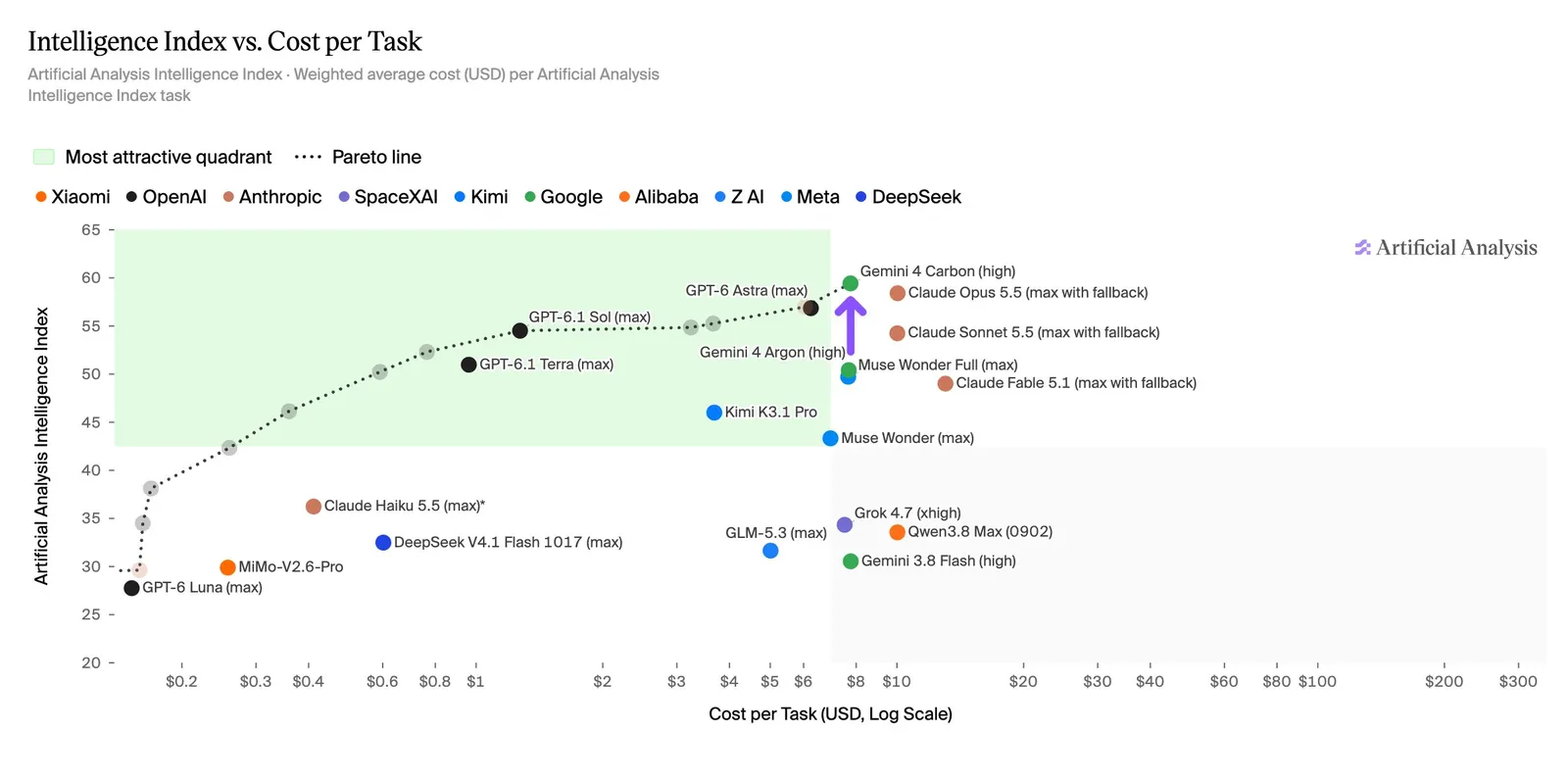
The page is a placeholder in the product taxonomy, a name in a sequence. Until Google publishes a figure that a buyer can put in a spreadsheet, the announcement functions as a marker, not a measurement. The next filing will need a number.
A frontier-model page that ships without a spec sheet shifts the burden of verification to the buyer. The page proves the name exists in the sequence; it does not prove the model performs.
No benchmark score, price, context window, parameter count, or release date appears on the page.
The vendor page contains no measurable content. The constraint is on the consumer: no price, no context, no benchmark to route against. The architecture question is unanswered at the source.
After @OfficialLoganK. We did not report this. The pictures, if any, are theirs. Also filed by The Verge AI, The Decoder, Wccftech.