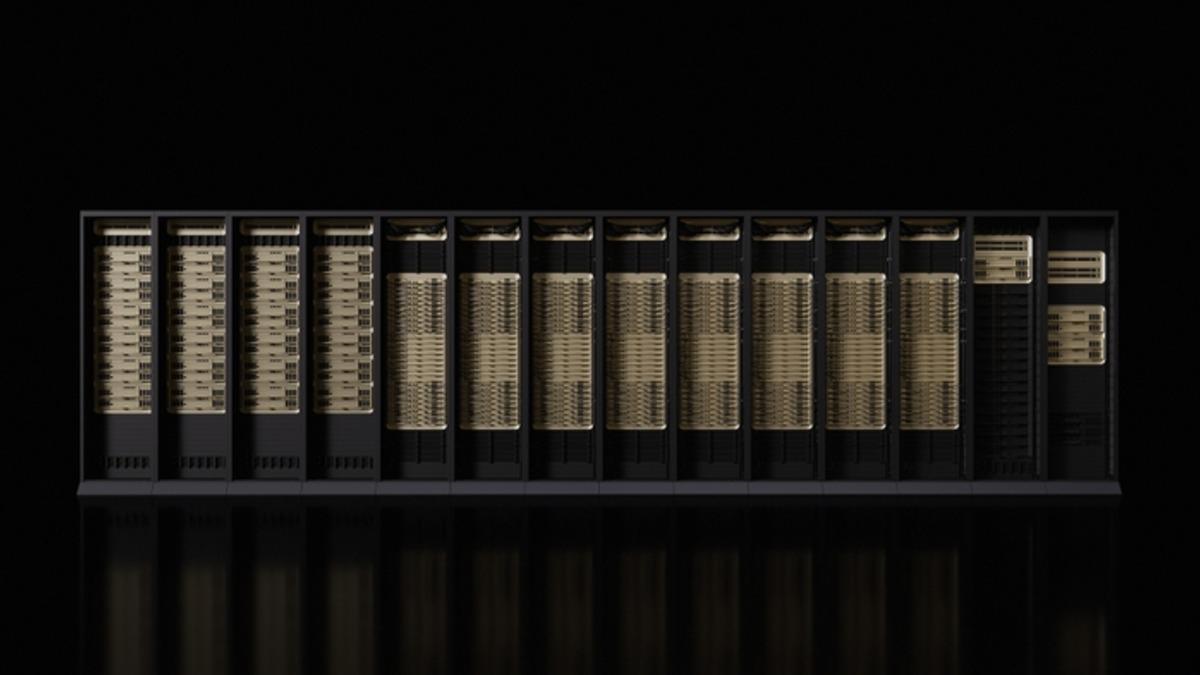
Rubin's HBM4 shrinks from 12 layers to 8
Nvidia's Rubin GPU was downgraded on two axes at once: the per-stack HBM4 layer count drops from 12 to 8 while total capacity holds at 288 GB, and the published throughput figure was cut relative to earlier disclosures, meaning the 22 TB/s bandwidth target now rests on more, thin
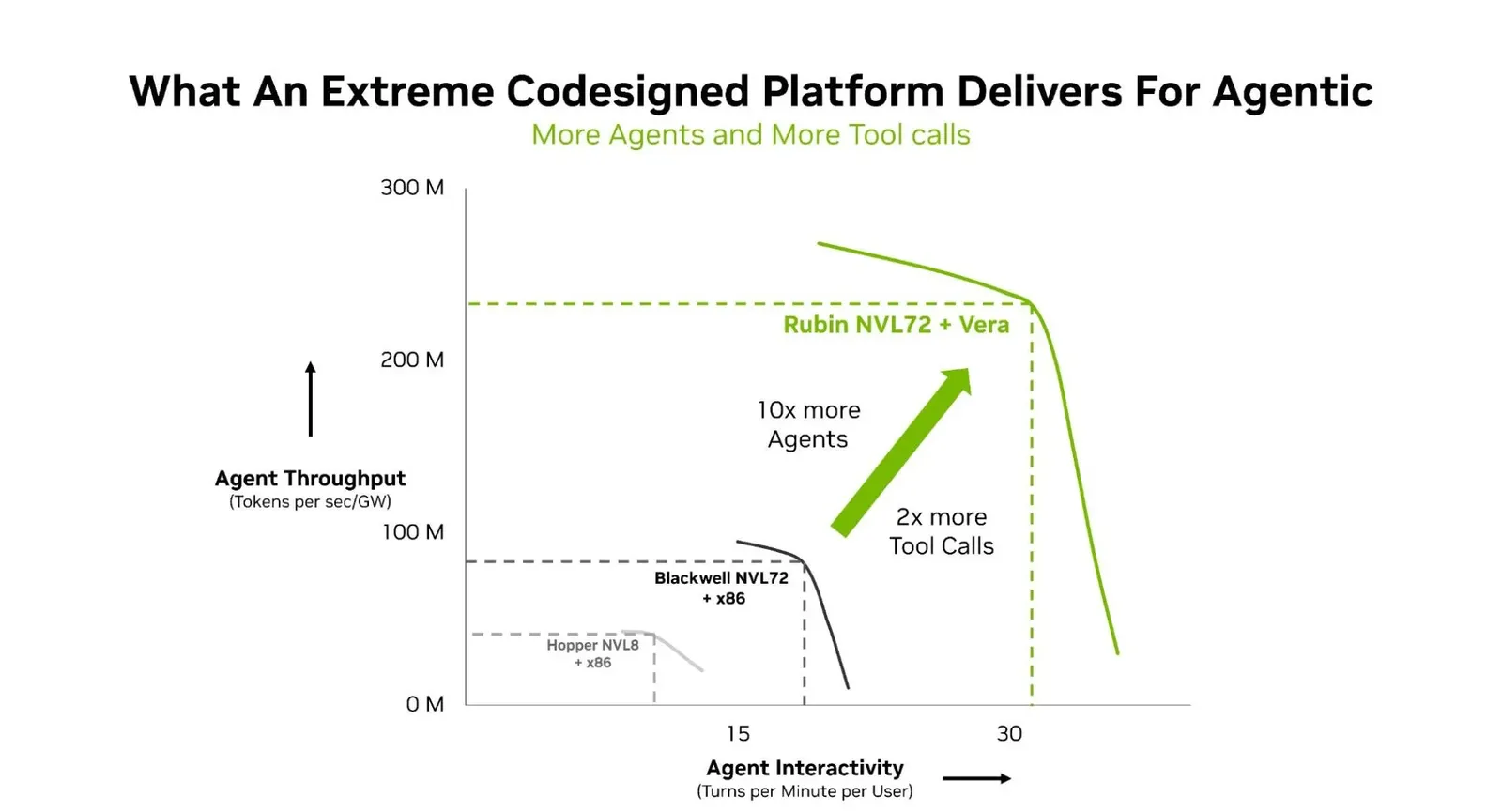
The 8-layer shift is a thermal and yield compromise, not a spec revision. A 12-layer HBM4 stack is significantly harder to cool than an 8-layer one, and Samsung and SK hynix are ramping 8-layer shipments for Rubin Ultra in Q2 2027 specifically because 12-layer manufacturing continues to hit heat and yield walls.
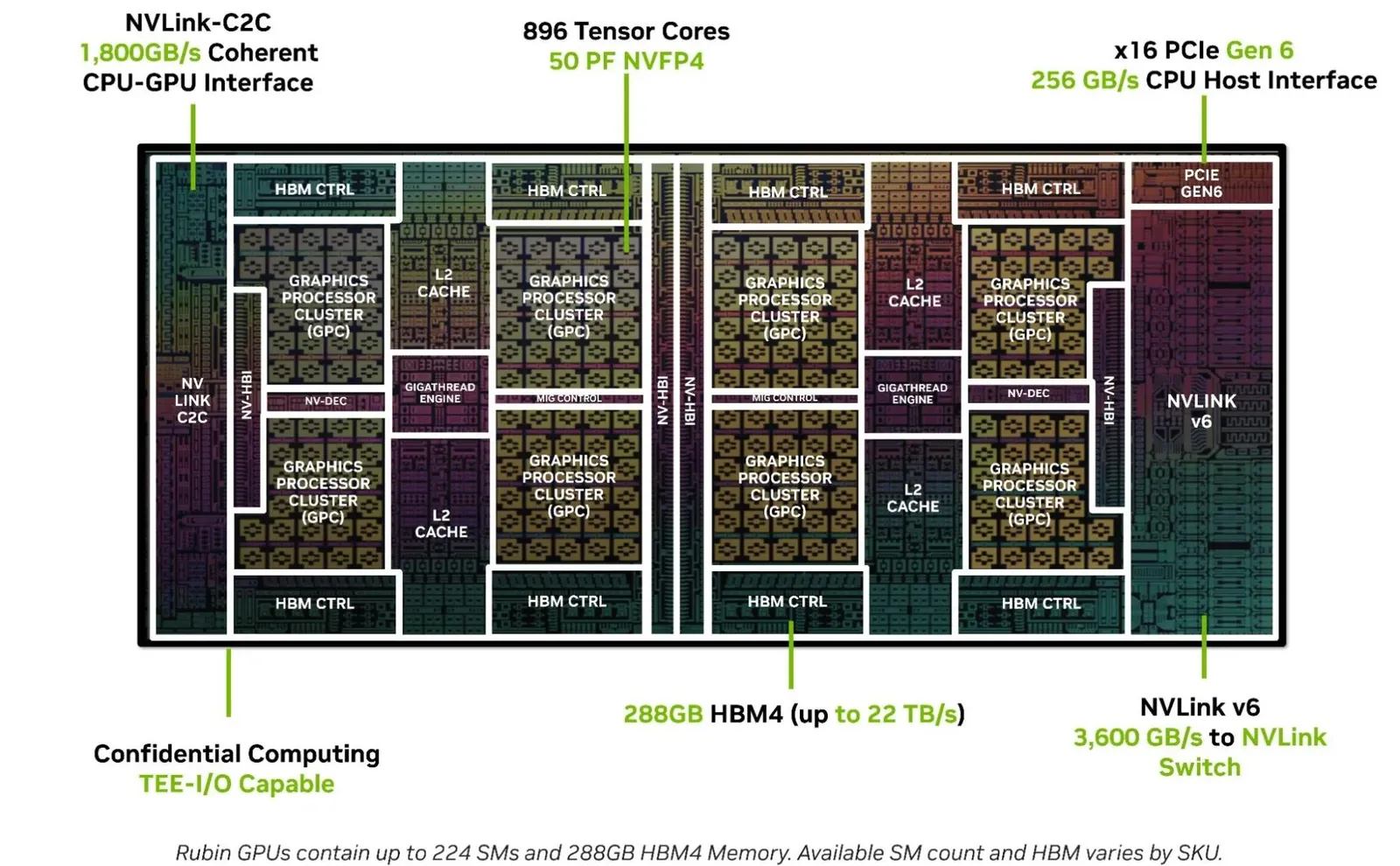
The throughput reduction and the layer-count change are two sides of the same engineering trade-off. RamTrend's 288 GB capacity figure masks the fact that the same total memory now spreads across more, thinner stacks, and ComputerBase reports that Nvidia reduced the HBM4 throughput specifications compared to earlier disclosures.
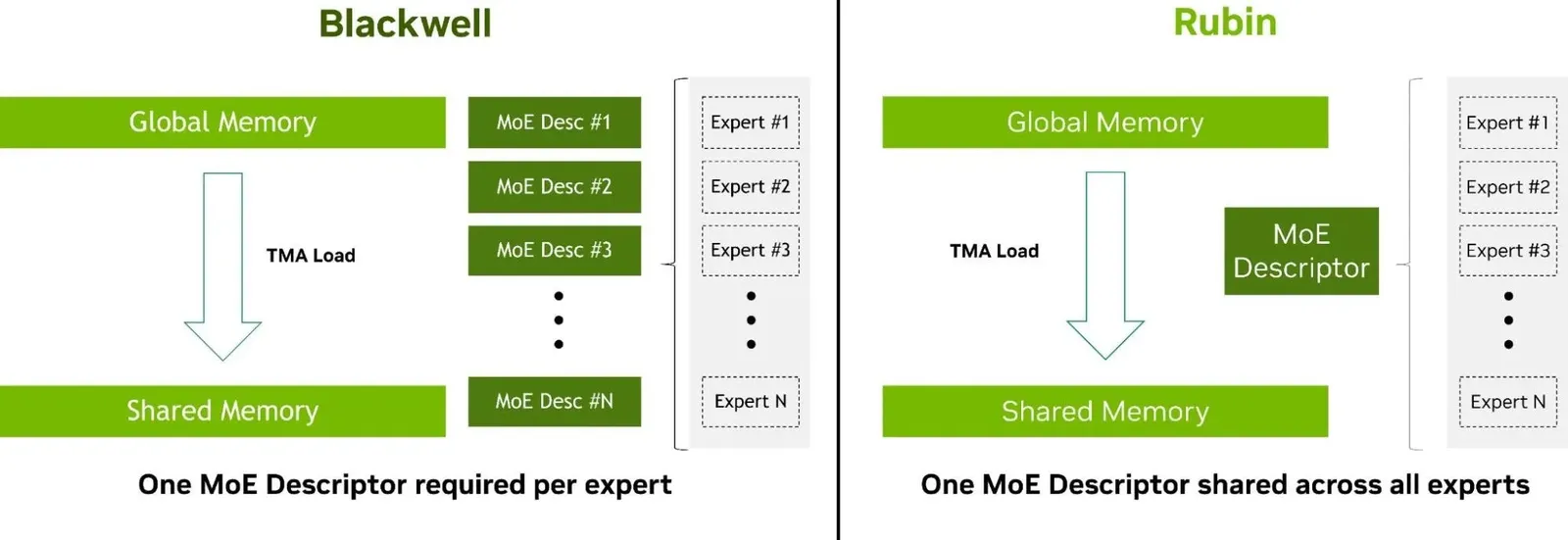
The hole: no item states the original pre-reduction throughput number, so the magnitude of the cut is unknown. The 22 TB/s figure may already be the reduced number or the unchanged target, and no source ties the Q2 2027 8-layer ramp to a specific Rubin SKU beyond "Rubin Ultra."
The layer-count and thermal details come from Wccftech, the throughput reduction from ComputerBase, and the 288 GB / 22 TB/s specification from RamTrend.
Two independent reports (Wccftech on layer count, ComputerBase on throughput) describe the same engineering compromise from different directions. RamTrend's capacity figure is consistent with both but does not reveal the per-stack degradation. The missing pre-reduction throughput number means the magnitude of the cut cannot be quantified from this packet.
Die Brief desk. The claim is ours. Facts from ComputerBase, Wccftech, ramtrend.com. Pictures, if any, are from those pages.