Rubin GPU puts resident state ahead of peak FLOPS
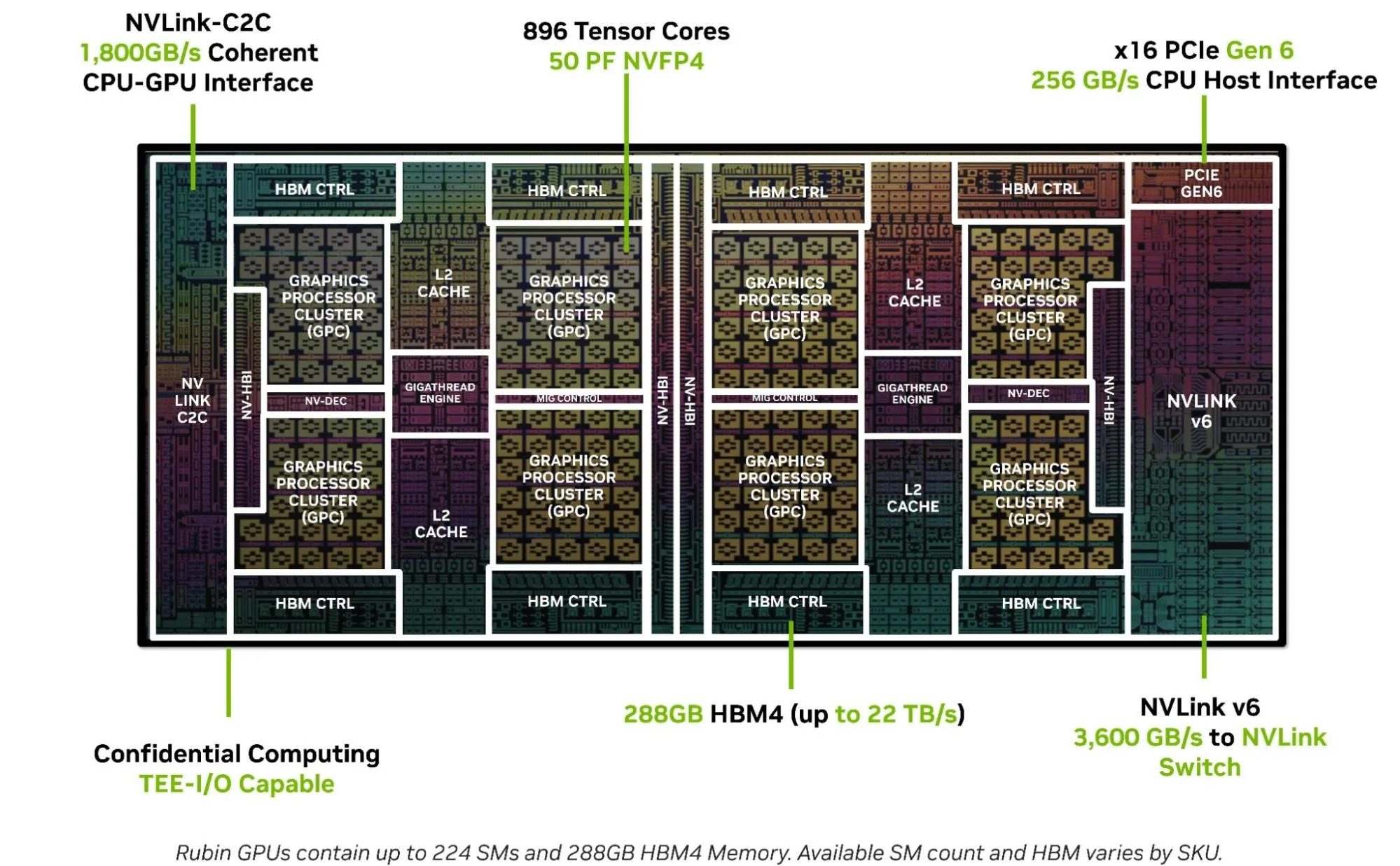
Resident state is the first constraint in the Rubin GPU filing, because 288 GB of HBM4 and 22 TB/s of bandwidth decide how much model state stays on-chip.
| Rubin GPU | |
|---|---|
| Transistors | 336 billion |
| Streaming multiprocessors | 224 |
| Tensor Cores | 896 |
| NVFP4 performance | up to 50 petaflops |
| HBM4 capacity | 288 GB |
| HBM4 bandwidth | up to 22 TB/s |
| NVLink 6 scale-up bandwidth | 3,600 GB/s |
| HBM stacks | 12-Hi |
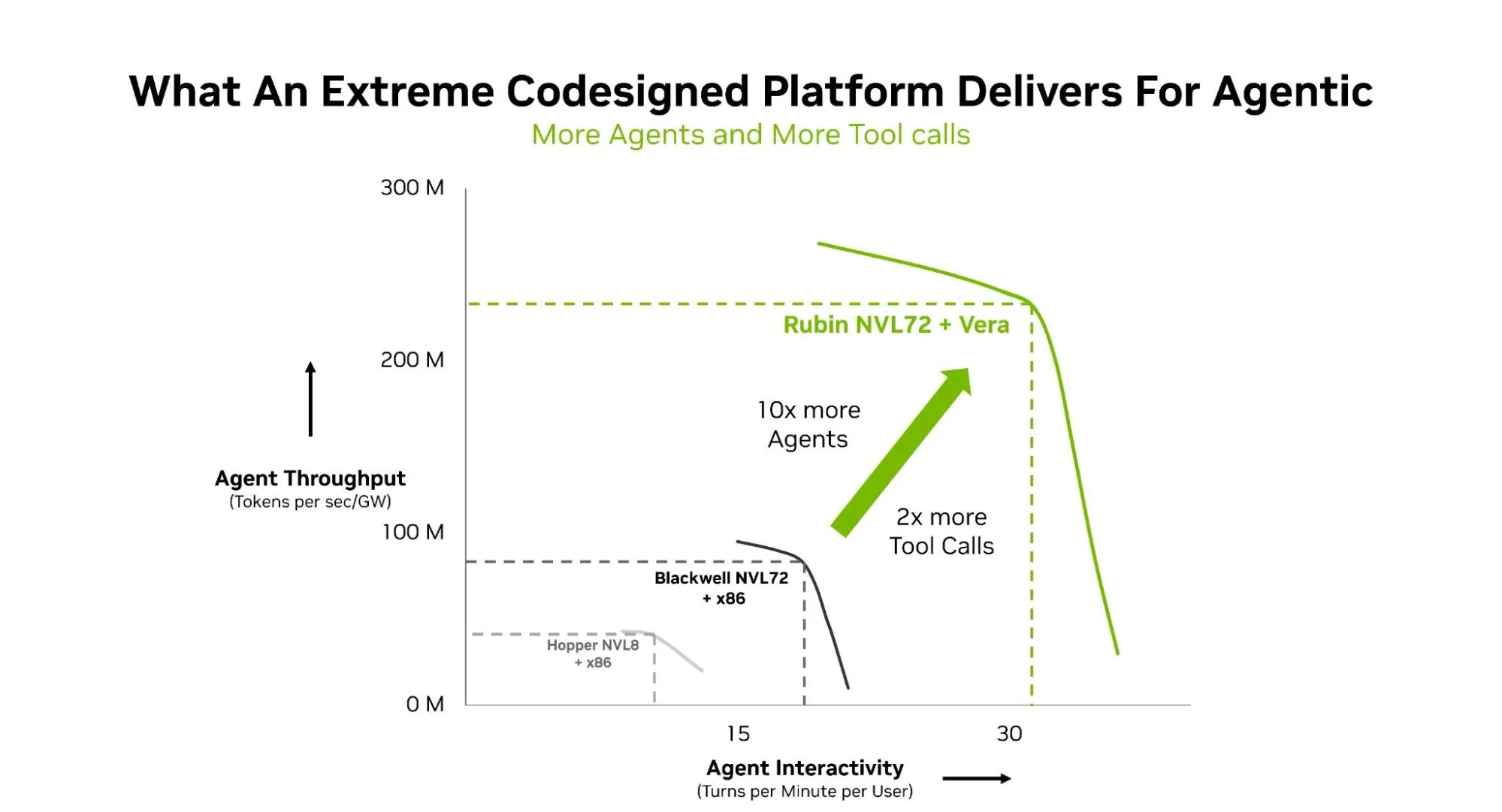
NVLink 6 moves that state at 3,600 GB/s across GPUs, so the constraint becomes how much can remain resident rather than how fast the GPU can compute.
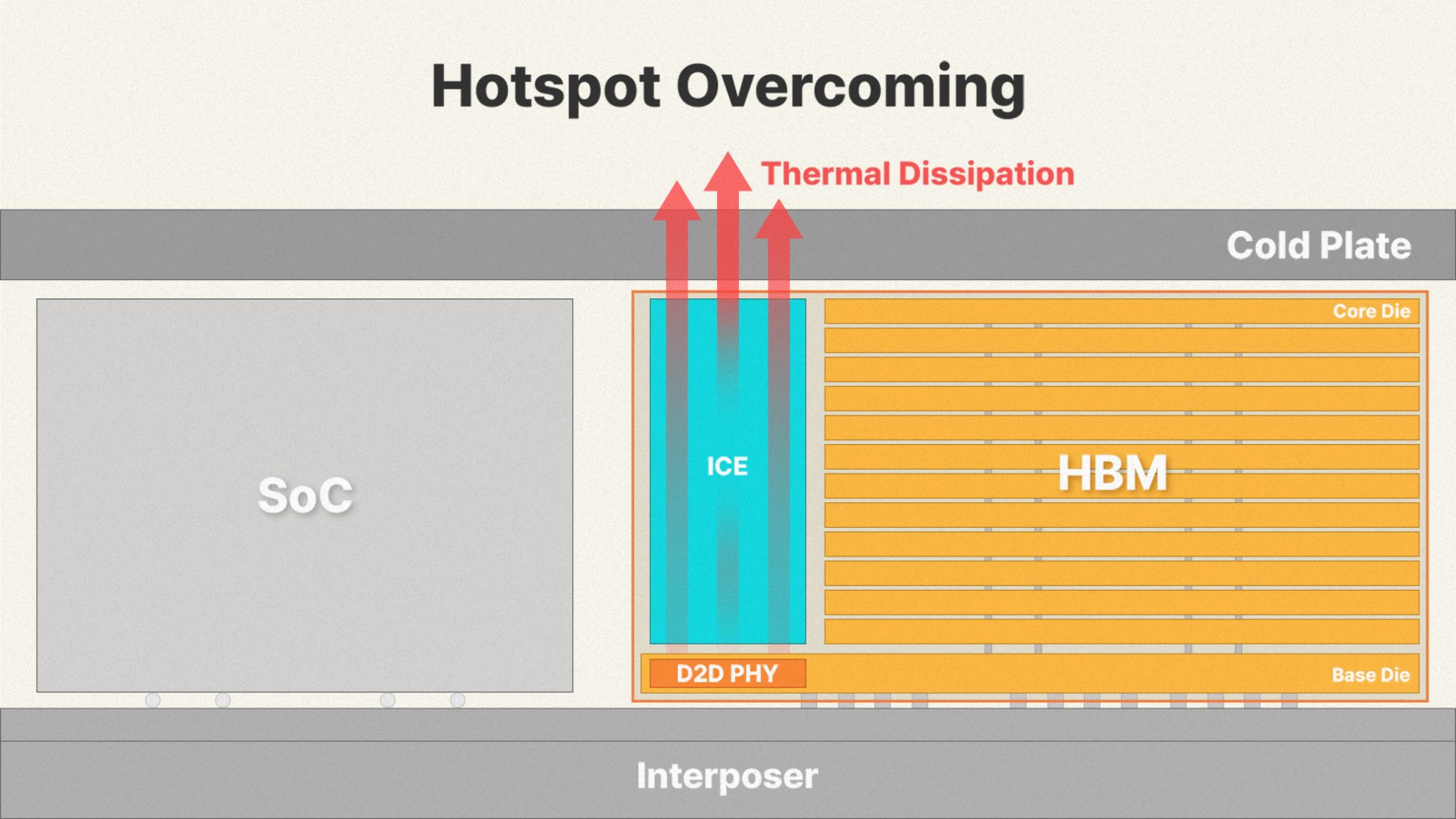
The 12-Hi HBM4 stacks and doubled interface width point to higher-capacity memory for suppliers.

The 40% power-budget claim still needs rack-level proof, and the filing leaves out TDP, process node, price, and ship date.
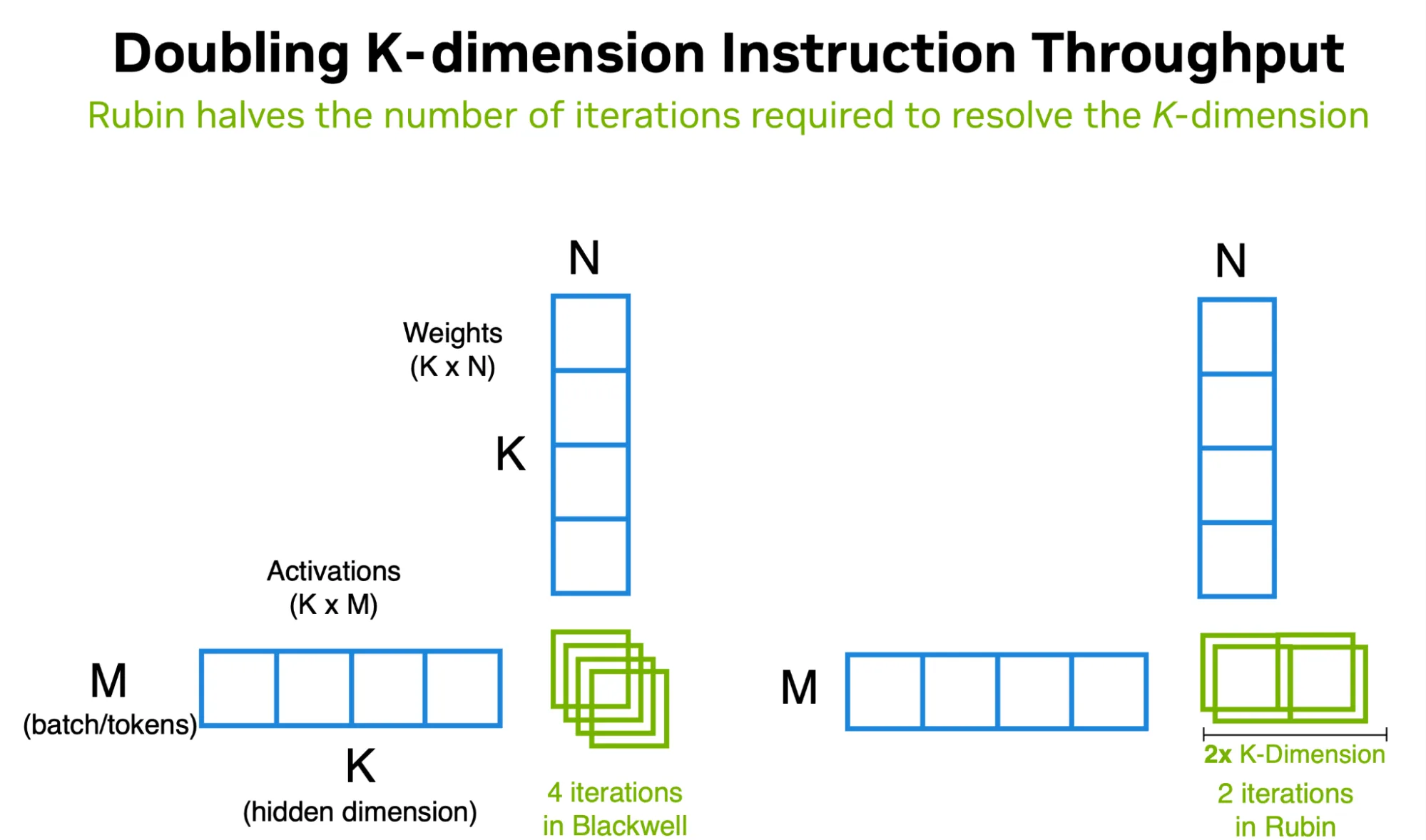
No physical package photo appears, so the two-die NV-HBI layout stays a diagram rather than measured silicon under load or thermal behavior data.
The shift from peak FLOPS to resident state is the change, and the filing lacks rack-level proof.
After developer.nvidia.com. We did not report this. The pictures, if any, are theirs.