Xiaomi sets REDMI Book 16 2027 for October 27 with Core 5 320
Xiaomi's REDMI Book 16 2027 pairs a Core 5 320 on Intel 18A with 16 GB DDR5-4800, launching October 27 with no confirmed price.
| REDMI Book 16 2027 | |
|---|---|
| Processor | Core 5 320 (Wildcat Lake) |
| Cores / Threads | 6 cores (2P + 4LPE) / 6 threads |
| Process | Intel 18A |
| Max turbo | 4.6 GHz |
| Power | 15 W base / 35 W max turbo |
| Memory | 16 GB DDR5-4800 |
| Launch date | October 27 |
Xiaomi's REDMI Book 16 2027 pairs an Intel Core 5 320 with 16 GB of DDR5-4800, and the company has set the launch for October 27. The VideoCardz page that carries the confirmation names no price for that configuration, and Xiaomi has not published a starting figure for any tier in the 2027 lineup. The vendor is Xiaomi, and the page that states the launch date and the processor pairing is the VideoCardz article, not a product page on mi.com.
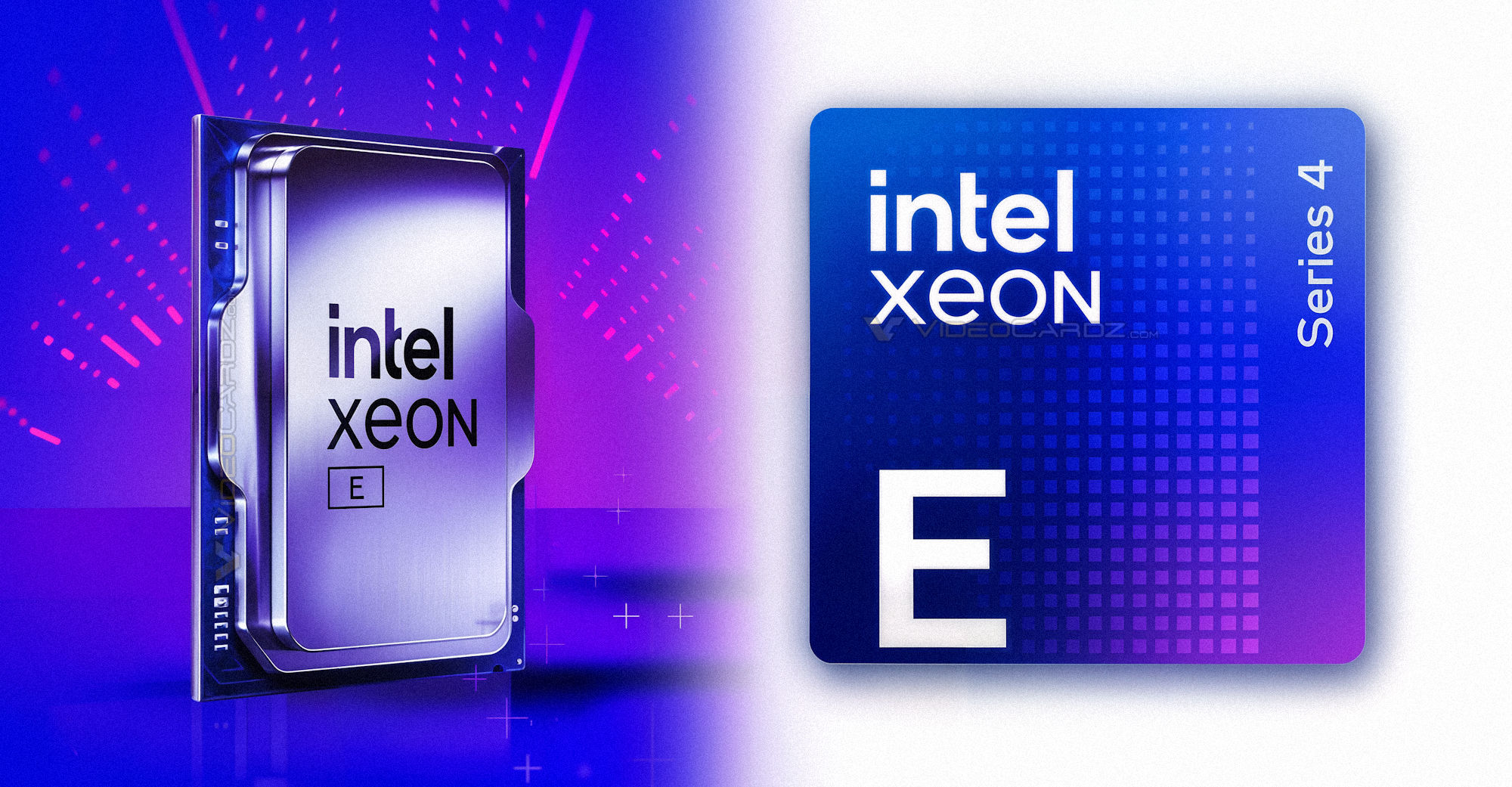
The Core 5 320 is a six-core, six-thread processor built on Intel 18A. Two Performance cores and four Low Power Efficient cores share the die, and the maximum turbo clock reaches 4.6 GHz. Intel specifies a 15 W base power and a 35 W maximum turbo power for the package. The part carries the Wildcat Lake codename, which is the architecture Intel uses across the Core Series 3 lineup. The 2+4 core split means the chip can park four cores at low power while two handle the main thread, which is the design intent for a laptop that will run on battery most of the day.
The 4.6 GHz figure is a theoretical peak, not a sustained measurement. No benchmark score, no thermals, no frame rate, and no battery-drain number appear anywhere in the document. The 15 W and 35 W figures are Intel's power envelope for the part, not a measured draw under a specific workload. A buyer who wants to know what the chip actually sustains at the 35 W ceiling, or how the four LPE cores behave under a sustained multi-thread load, has no number to work from. The gap between the 15 W base and the 35 W turbo is a 20 W spread, and the document does not say how long the chip can hold the upper end of that range before throttling. In a laptop chassis, the thermal headroom is smaller than in a desktop, and the 35 W ceiling is the number that matters for sustained work, not the 4.6 GHz peak.
The Core Series 3 platform supports DDR5 and LPDDR5X memory but is limited to a single memory channel. That constraint shapes the bandwidth ceiling for the 16 GB DDR5-4800 configuration, and it applies to every laptop in the series regardless of whether the installed part is a Core 5 or a Core 7. Intel introduced the series earlier this year for lower-cost laptops, and the single-channel limitation is a platform decision that no SKU in the lineup can work around. A single channel of DDR5-4800 delivers roughly half the peak bandwidth of a dual-channel setup at the same speed, and that gap is fixed by the platform, not by the specific memory module a buyer might choose. For a 16 GB configuration, the single channel means the memory subsystem is the bottleneck before the CPU cores are, and that is a structural limit the buyer cannot fix with a different RAM stick.
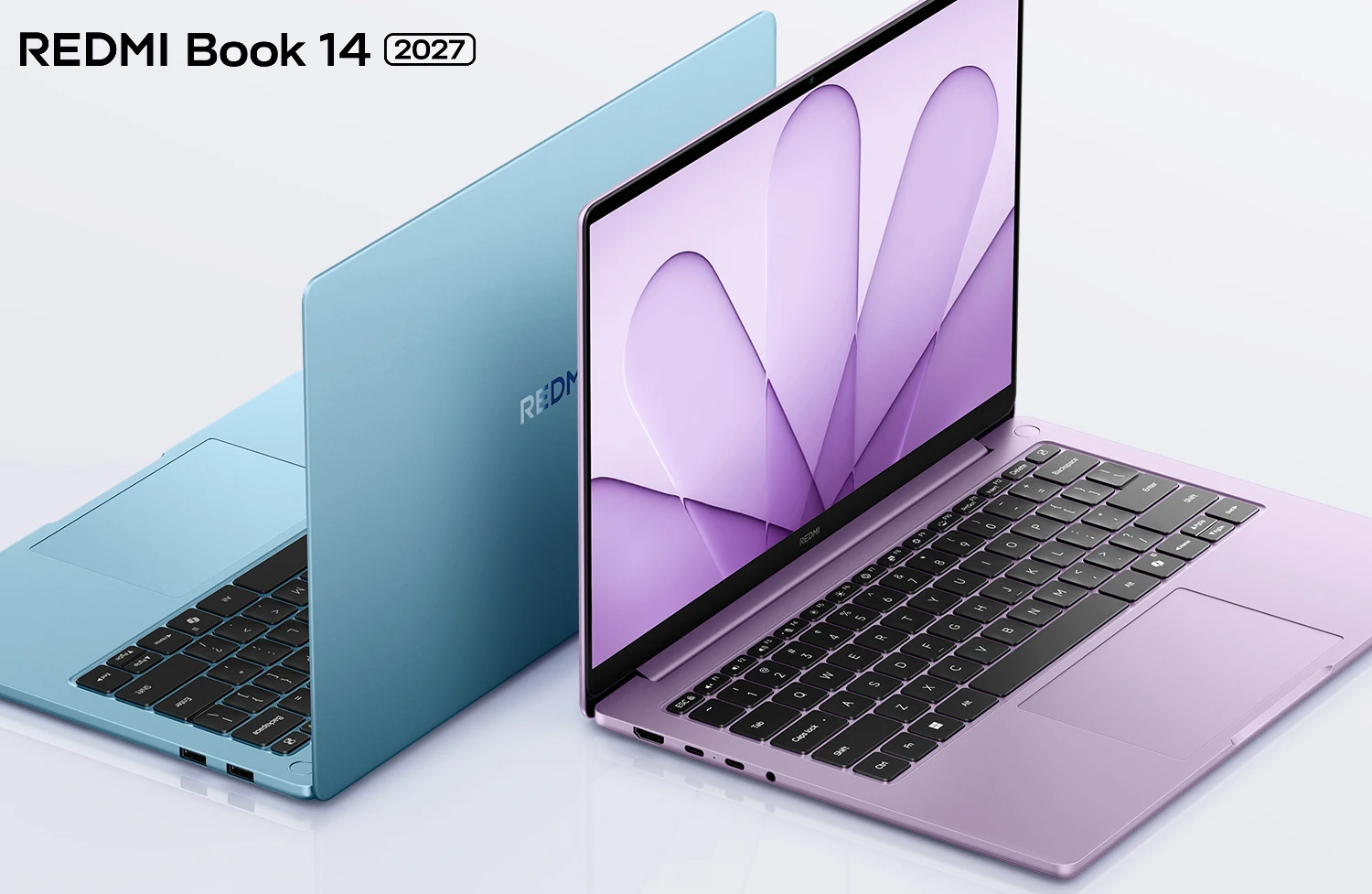
Xiaomi has not confirmed the Core 5 320 as the retail silicon. The 16 GB DDR5-4800 pairing surfaced through a Geekbench submission, and the company's promotional materials show the chassis, the port layout, and two new color options without locking the processor. The page states that Xiaomi "has not officially confirmed this processor configuration for the retail model." The promotional set is aimed at mobile productivity, and the redesigned chassis and new colors are the visible changes, but the silicon underneath remains a leak until the October 27 event. There is no lower-tier configuration to compare against, because no price exists and no second SKU is named. The configuration the headline describes is the only one in the document, and it is the configuration a buyer would get if the Geekbench entry matches the retail unit.
The port layout on the Book 16 includes two USB-A ports, two USB-C ports, an HDMI output, and a 3.5 mm audio jack. Blue and purple are the new color options, and the company describes the chassis as redesigned. The Book 16 is the larger of the two 2027 models, but no dimensions, weight, or material breakdown appear in the document. The display specification is entirely absent: no resolution, no panel type, no refresh rate, no brightness figure. No charging capabilities are confirmed, and the page does not state whether the Book 16 uses a USB-C charger or a proprietary connector. Complete specifications for either laptop in the 2027 series are absent, and the promotional materials stop at the chassis and the color.
The REDMI Book 14 2027, shown in the same promotional set, carries a 72 Wh battery and the same port layout, but it is a different machine and gets its own article.
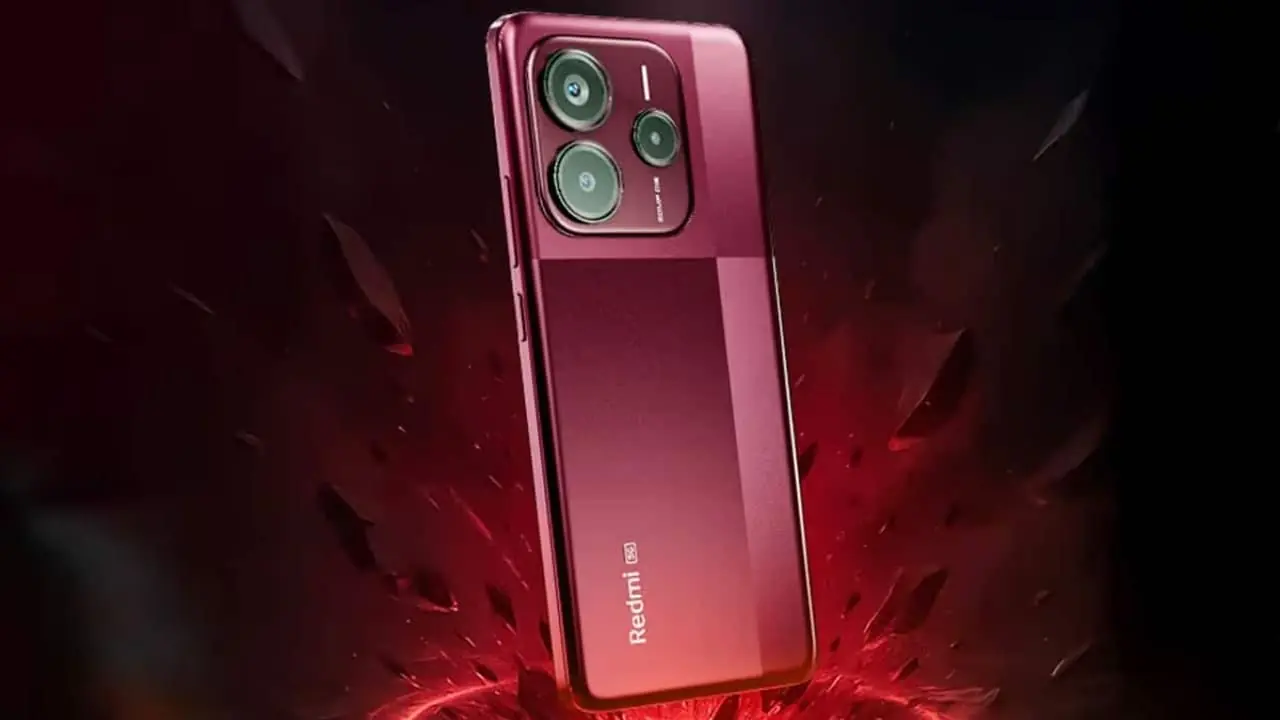
The buyer is constrained by what the document does not say. There is no price, no confirmed SKU, no display specification, no charging input, and no availability window outside China. The October 27 presentation, which will also cover the REDMI K100 smartphone, is the next data point. Until that event happens, the Core 5 320 in a REDMI Book 16 chassis is a Geekbench entry, not a product on a shelf. The buyer cannot compare it against a competitor at a known price, cannot verify the display panel, and cannot confirm whether the single-channel memory limitation will be visible in the specific workload they intend to run. The fab question is whether 18A at 15 W base can hold the 4.6 GHz peak long enough to matter in a laptop thermal envelope, and the document does not answer that. A procurement spreadsheet needs a number, and the document does not provide one.
What is still unmeasured: the sustained clock under the 35 W turbo ceiling, the display panel and its refresh rate, the charging input wattage, the storage configuration, the battery capacity for the Book 16 specifically, and whether the single-channel memory limitation changes the effective DDR5-4800 bandwidth in practice.
The buyer is constrained by the absence of a price, a display spec, and a confirmed SKU. The document proves the chip exists on 18A but does not prove it will ship in this chassis at a known cost.
The document does not state a price, a display specification, a battery capacity for the Book 16, a charging input, or a sustained clock under the 35 W turbo ceiling.
The Core 5 320 on 18A at 15 W / 35 W is a platform part, not a tuned SKU. Single-channel DDR5-4800 caps bandwidth before the cores do, and the 4.6 GHz peak is unverified under laptop thermals.
After techgup.com. We did not report this. The pictures, if any, are theirs.