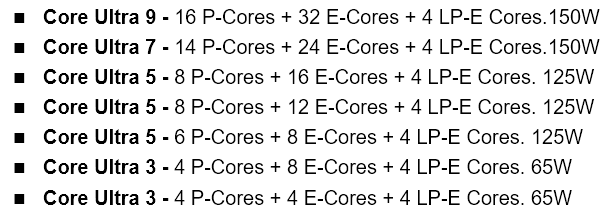
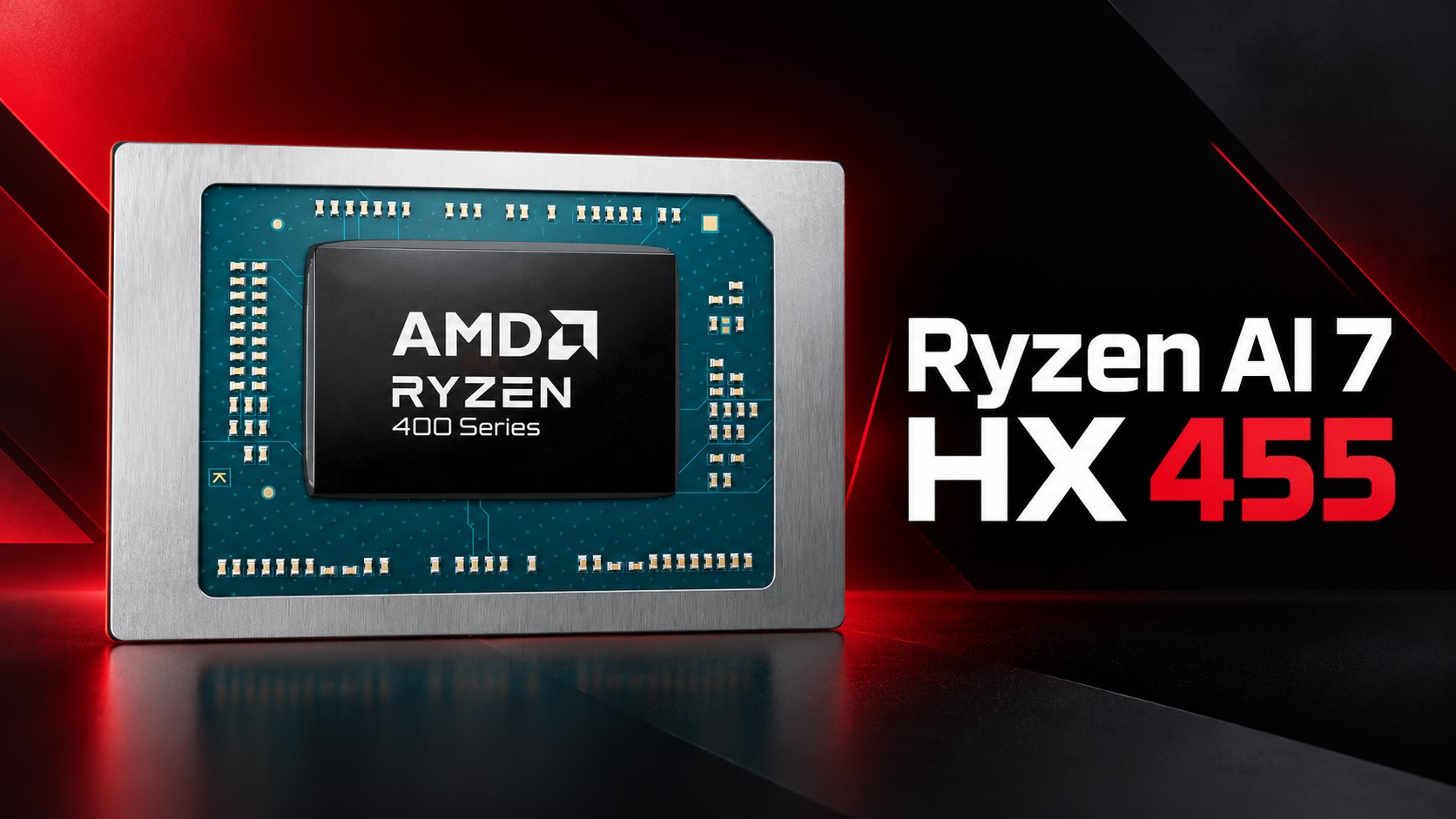
Nova lake rejects hybrid cores in two lines and unifies all five under core ultra 4000
Intel's Nova Lake family is rejecting hybrid P+E core configurations as a design principle, not a single-SKU experiment, and is unifying all five product lines under the Core Ultra 4000 brand.
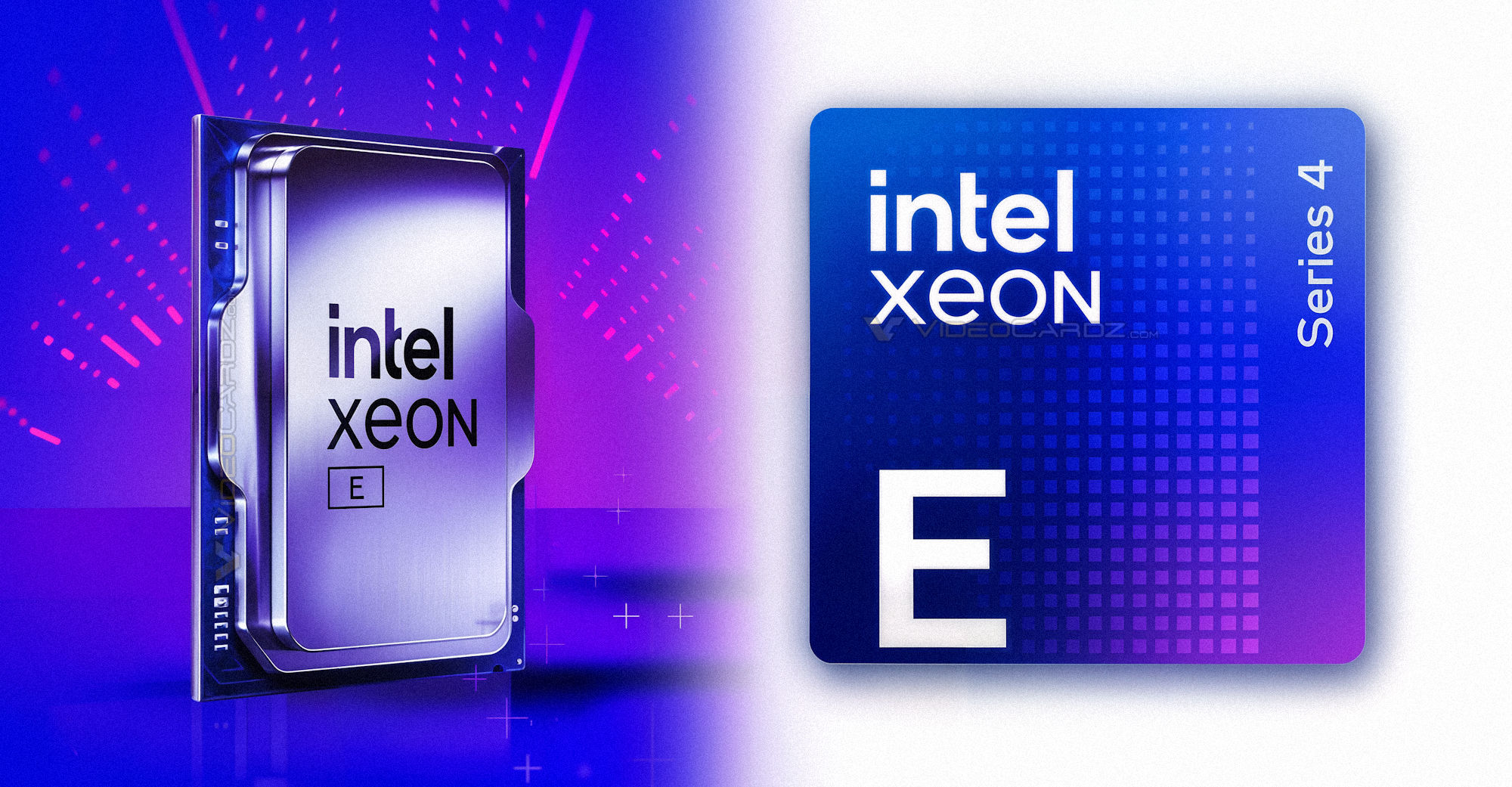
The Edge variant uses an all-E-core design, unlike conventional hybrid processors that combine P-cores and E-cores. The Xeon E series offers up to 16 P-cores or 32 E-cores with no hybrid configurations. Two separate lines, two different core counts, the same architectural decision: no mixing.
The naming unification is the other half of the signal. All five Nova Lake families adopt the Core Ultra 4000 convention, collapsing what was expected to be a split between Core Ultra 400 and 4000 into a single brand. That is a platform-level move, not a SKU-level one.
Intel is treating Nova Lake as one coherent platform. The non-hybrid topology in Edge and Xeon E, combined with the unified naming, suggests the architecture is being designed as a family rather than assembled from independent SKUs.
The Edge leak comes from KAD, the Xeon E report from VideoCardz, and the naming confirmation from Wccftech. What nobody measured: whether the desktop or laptop H/U families also drop hybrid designs. The all-five-families phrasing addresses branding, not core topology. The family-wide scope rests on two confirmed lines plus a naming article that does not speak to architecture.
The claim holds for two lines but overreaches on scope. The naming article confirms branding unification across five families, not architectural uniformity. The hole is real: desktop and laptop H/U core topology remains unconfirmed, so 'family-wide' is an inference from two data points plus a naming convention, not a measured fact.
Die Brief desk. The claim is ours. Facts from kad8.com, videocardz.com, wccftech.com, TechPowerUp. Pictures, if any, are from those pages.