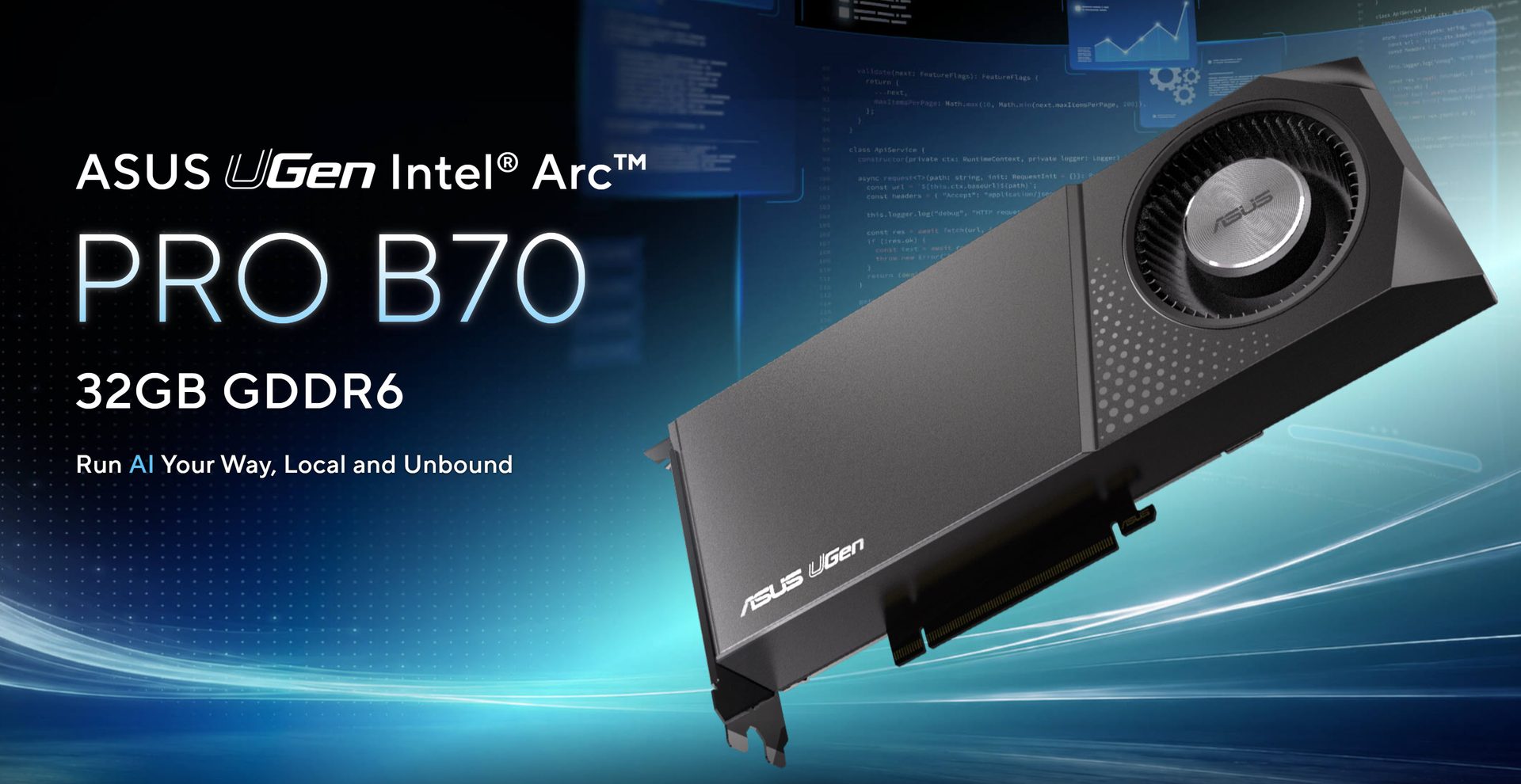
ASUS lists a 32 GB Intel Arc Pro B70 workstation card
ASUS lists a 32 GB Arc Pro B70 workstation card that can scale to four cards for 128 GB of VRAM.
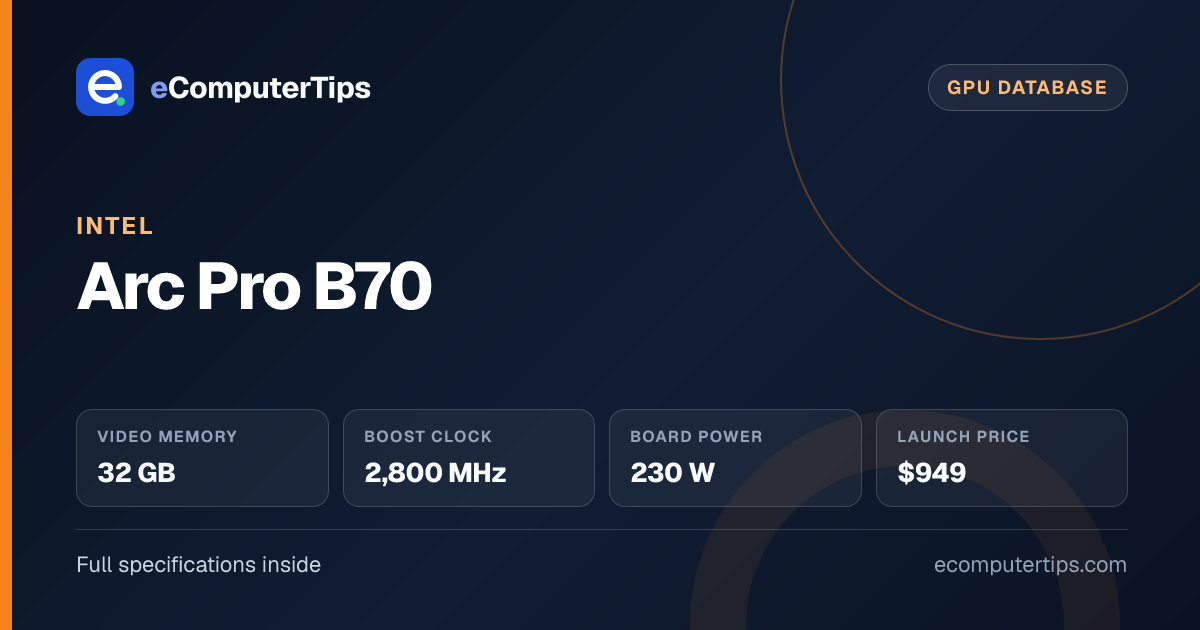
| ASUS UGen Intel Arc Pro B70 32GB GDDR6 | |
|---|---|
| memory | 32 GB GDDR6 ECC |
| AI compute | 367 TOPS (INT8) |
| Xe-Cores | 32 |
| XMX engines | 256 |
| TBP | 310 W |
| multi-GPU | 4-card, 128 GB |
| PCIe | PCIe Gen5 x16 |
The listing centers on a UGen 2-slot blower card. It carries 32 Xe-Cores, 256 XMX engines, 32 GB of GDDR6 ECC, and 367 TOPS at INT8.
The filing names the die BMG-G31. It adds that four cards can hold 128 GB of VRAM.
The packet has no figure. The frame is text, not a photograph.
Board power and the blower shape set the practical limits. The 310 W draw and 2-slot footprint matter more than the die.
The document shows a local inference path with 32 GB per card and a 4-card ceiling. It does not show sustained token rates, price, or cooling headroom in a real rack.
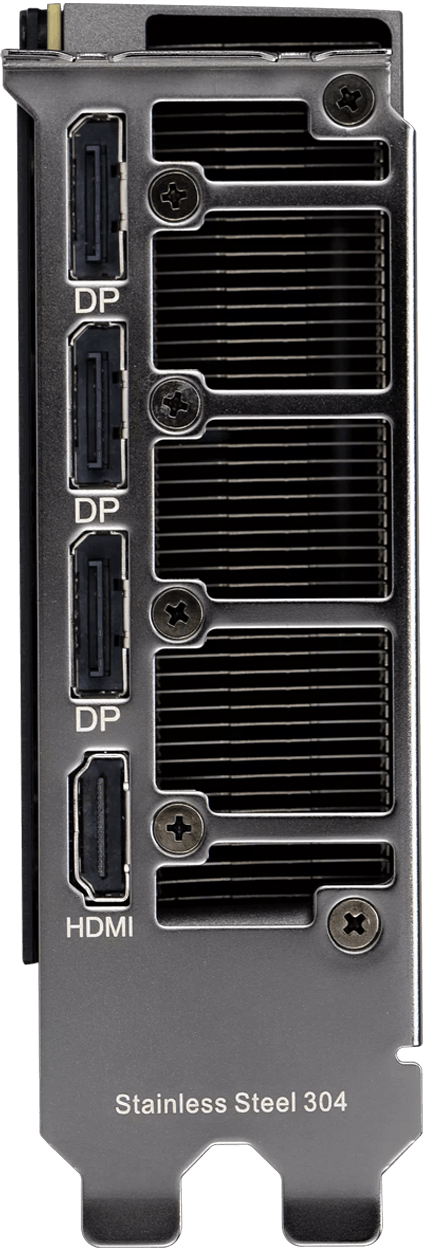
For a workstation builder, the useful change is density. Four cards can hold 128 GB, which fits larger local models without a data-center interconnect.
The card is aimed at local AI, not gaming. The framework list includes vLLM, Ollama, PyTorch IPEX, OpenVINO, oneAPI, and Vulkan, which matters more than a consumer benchmark.
The ECC memory and 256-bit bus at 608 GB/s support KV-cache work. The page does not show a full system test.
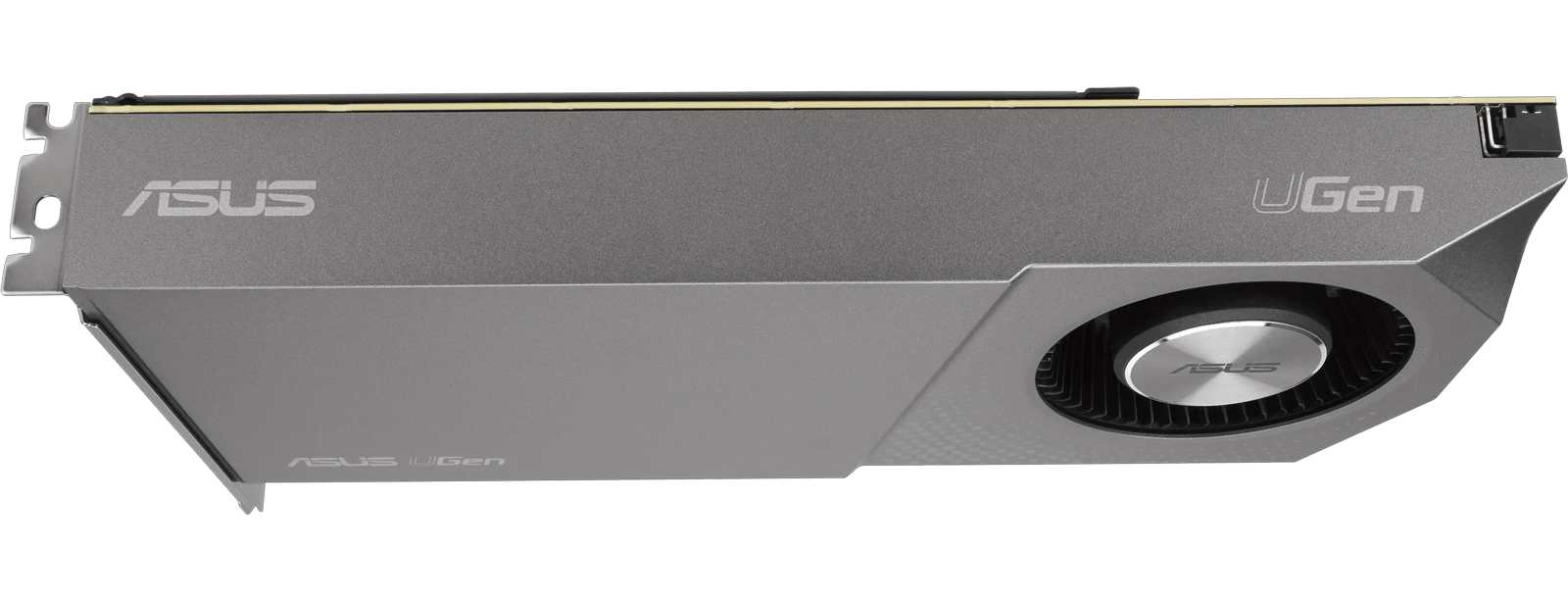
The vendor page gives benchmark fragments, such as 123 tokens/sec in MLPerf Client and 191K usable KV cache. It does not state a price or a launch date.
The wire article guesses a market range, not a measured price for this board. What remains unmeasured is the cost per token and the thermal behavior when four cards run continuously.
The useful change is local density, but price and multi-card thermals remain untested.
After github.com. We did not report this. The pictures, if any, are theirs.