RTX Spark superchip pairs Blackwell GPU and Grace CPU in a 128GB unified-memory laptop
NVIDIA's RTX Spark laptops ship October 16, 2026, from six OEMs at a $2,599 entry price, built on a single superchip with up to 128GB of unified memory.
| RTX Spark | |
|---|---|
| GPU | NVIDIA Blackwell RTX |
| CPU | NVIDIA Grace (MediaTek collaboration) |
| Unified memory | up to 128GB |
| AI performance | up to 1 petaflop FP4 |
| Starting price | $2,599 |
| Platform | Windows on Arm |
| Launch date | October 16, 2026 |
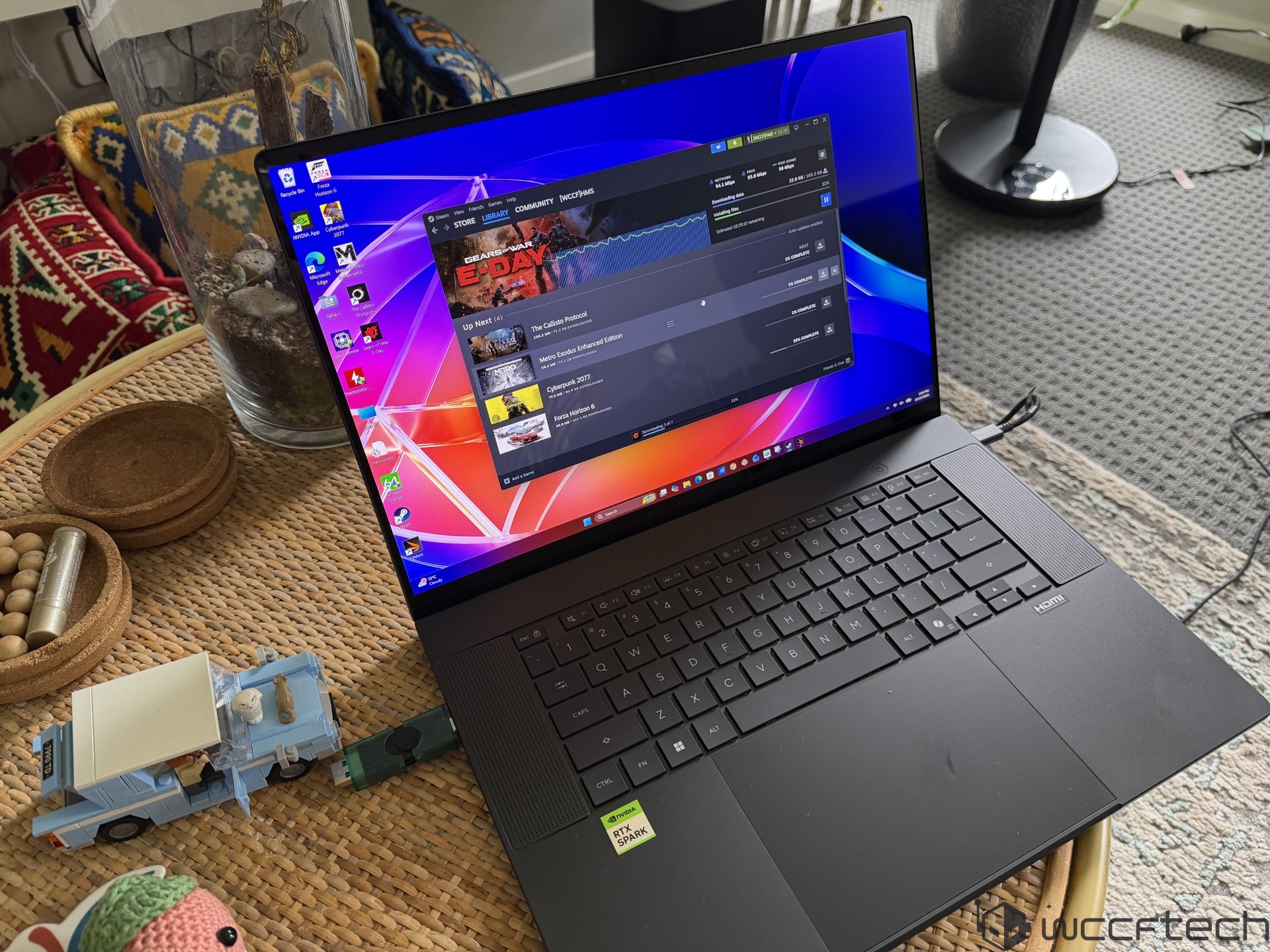
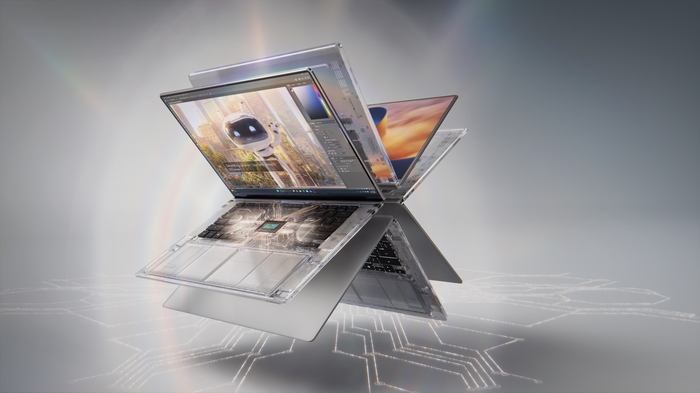
RTX Spark laptops are available October 16, 2026, from ASUS, Dell, HP, Lenovo, Microsoft, and MSI, starting at $2,599. The NVIDIA newsroom page states the platform pairs a Blackwell RTX GPU with a Grace CPU in a single superchip, backed by up to 128GB of unified memory and up to 1 petaflop of FP4 AI throughput. MediaTek's name appears on the CPU design, but the page does not say which foundry runs the die or what process node it sits on.
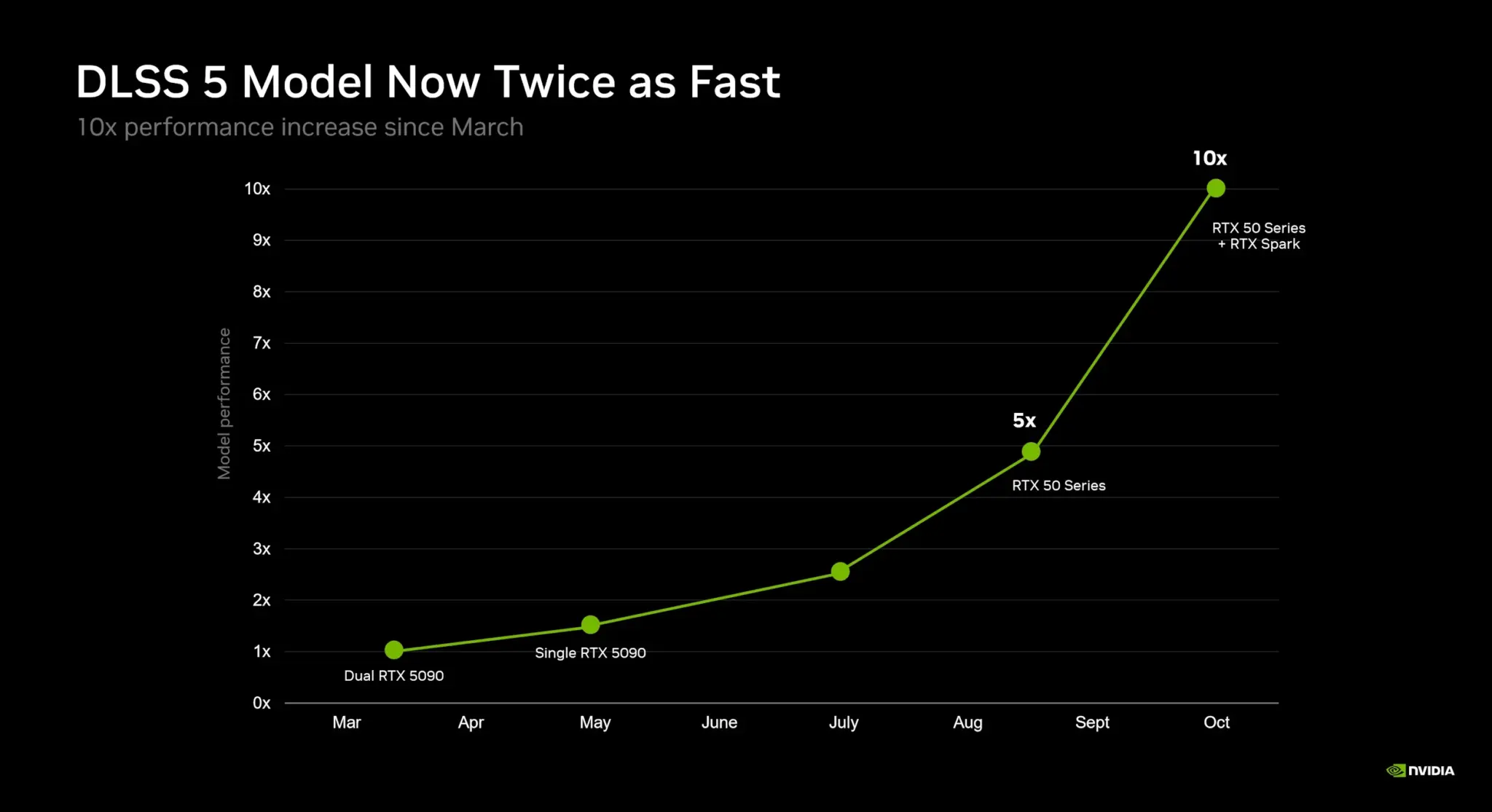
The unified memory pool is the architectural move. A discrete-GPU laptop splits system RAM and VRAM across two controllers; here, one 128GB pool serves both the Grace CPU and the Blackwell GPU. The page claims 90GB 3D scene renders and 8K 4:2:2 video editing on battery, but it does not publish a memory-bandwidth figure or a latency number for the shared fabric. The 1 petaflop FP4 figure is a peak, not a sustained throughput, and the page does not say at what clock or under what thermal envelope that number holds.
Die Brief's read: the constraint falls on the OEM, not the buyer. At $2,599 entry the platform sits in the premium laptop tier, but the document does not break down how much of that price is the superchip versus the chassis, display, and battery. The buyer gets a Windows on Arm machine with native CUDA, which is new, but the page does not state a TDP or a sustained-boost clock for the GPU portion. What changes for the fab is that MediaTek's collaboration on the CPU side means the superchip is not a single-die NVIDIA product; the packaging and interconnect between the Grace and Blackwell sections are not described.
The page lists the first PyTorch-CUDA build for Windows on Arm, the first native Python build, and support for 97% of the top 15,000 Python packages. Nemotron 3.5 Bolt 74B-A9B 24GB is named as a local model. The agent ecosystem—Hermes, OpenClaw, GitHub Copilot, Perplexity, Pi, WorkBuddy—is listed with "guided setup and easy installers." None of those agents are benchmarked on the page. The 100 fps at 1440p figure for AAA titles is a launch claim, not a measured result across the six OEM SKUs.
The document does not state the process node, the TDP, the memory bandwidth of the unified pool, or the sustained clock of the Blackwell section. Battery life is described as "all-day" without a watt-hour figure. The $2,599 starting price covers the lowest configuration; the page does not say which OEM or which memory tier that price covers.
The unified-memory superchip removes the VRAM ceiling that has constrained local AI on laptops, but the page withholds the bandwidth and thermal figures that would let a buyer verify the 1 petaflop claim under sustained load. The MediaTek collaboration on the CPU side means the packaging story is not a single-die NVIDIA product, and the interconnect between Grace and Blackwell is the part the document leaves open.
The page does not state the process node, TDP, memory bandwidth of the unified pool, sustained GPU clock, or battery capacity in watt-hours.
A 128GB unified pool shared between a Grace CPU and a Blackwell GPU eliminates the discrete-VRAM bottleneck for local inference, but the page publishes no memory-bandwidth or latency figure for the shared fabric. The 1 petaflop FP4 number is a peak; without a sustained-clock or TDP disclosure, the thermal envelope for that figure is unverified. MediaTek's role in the CPU design implies a multi-die or multi-vendor package, and the interconnect between the two sections is not described.
After nvidianews.nvidia.com. We did not report this. The pictures, if any, are theirs. Also filed by Wccftech Hardware, The Verge AI, TechPowerUp, nvidia.com.