PowerColor low-profile RX 9050 leak marks the first LP design
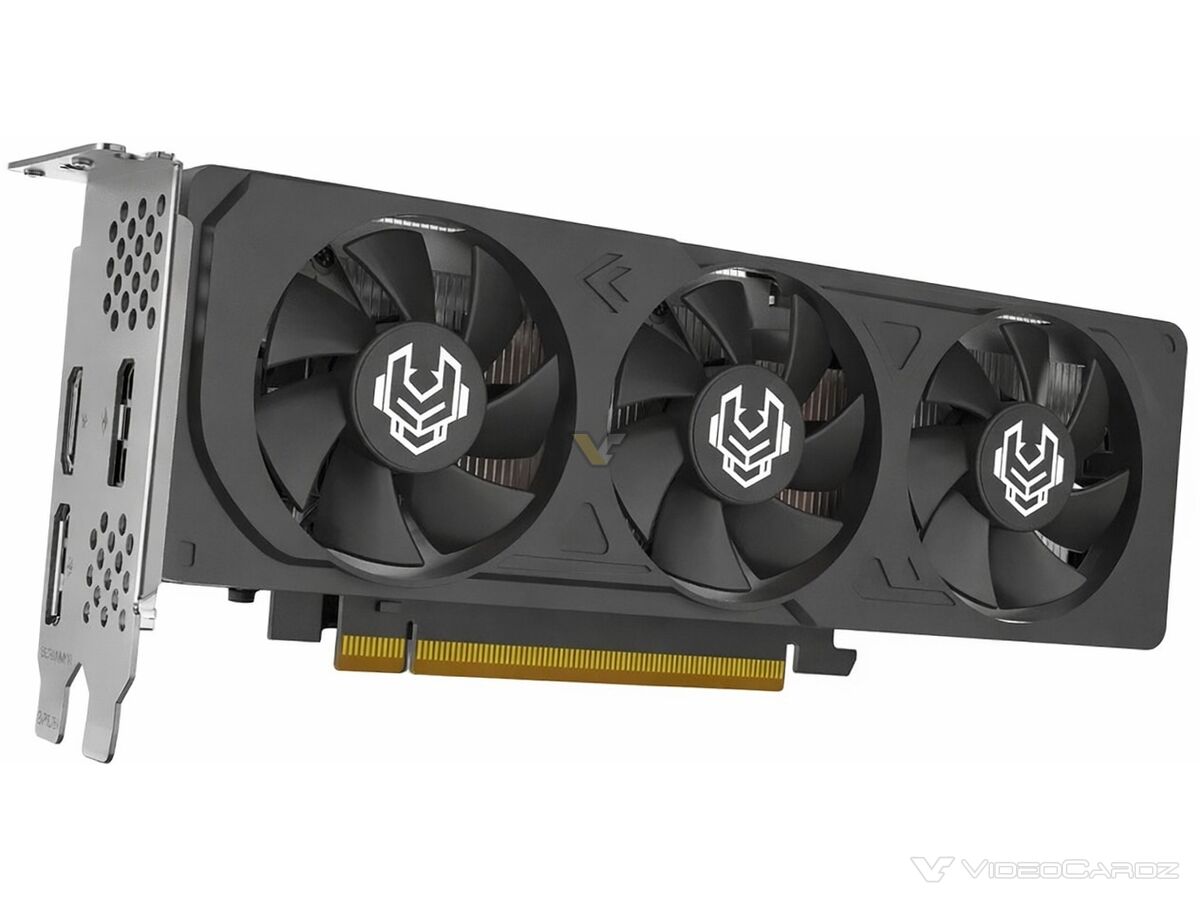
Low-profile is the change, and the leak only names it. The 92 W reference number does not prove PowerColor can fit the same board into a shorter bracket.
| AMD Radeon RX 9050 | |
|---|---|
| Boost Frequency | Up to 2600 MHz |
| Game Frequency | 1920 MHz |
| Compute Units | 16 |
| Stream Processors | 1024 |
| Memory | 8 GB GDDR6 |
| Memory Interface | 128-bit |
| Memory Bandwidth | Up to 288 GB/s |
| Typical Board Power | 92W |
AMD's sheet still lists a desktop board, an 8-pin connector, 16 compute units, and 8 GB of GDDR6 on a 128-bit bus.
The physical limit is the bracket, not the marketing line. A low-profile card must keep the 128-bit GDDR6 stack, 32 MB Infinity Cache, and 92 W envelope inside a shorter form.
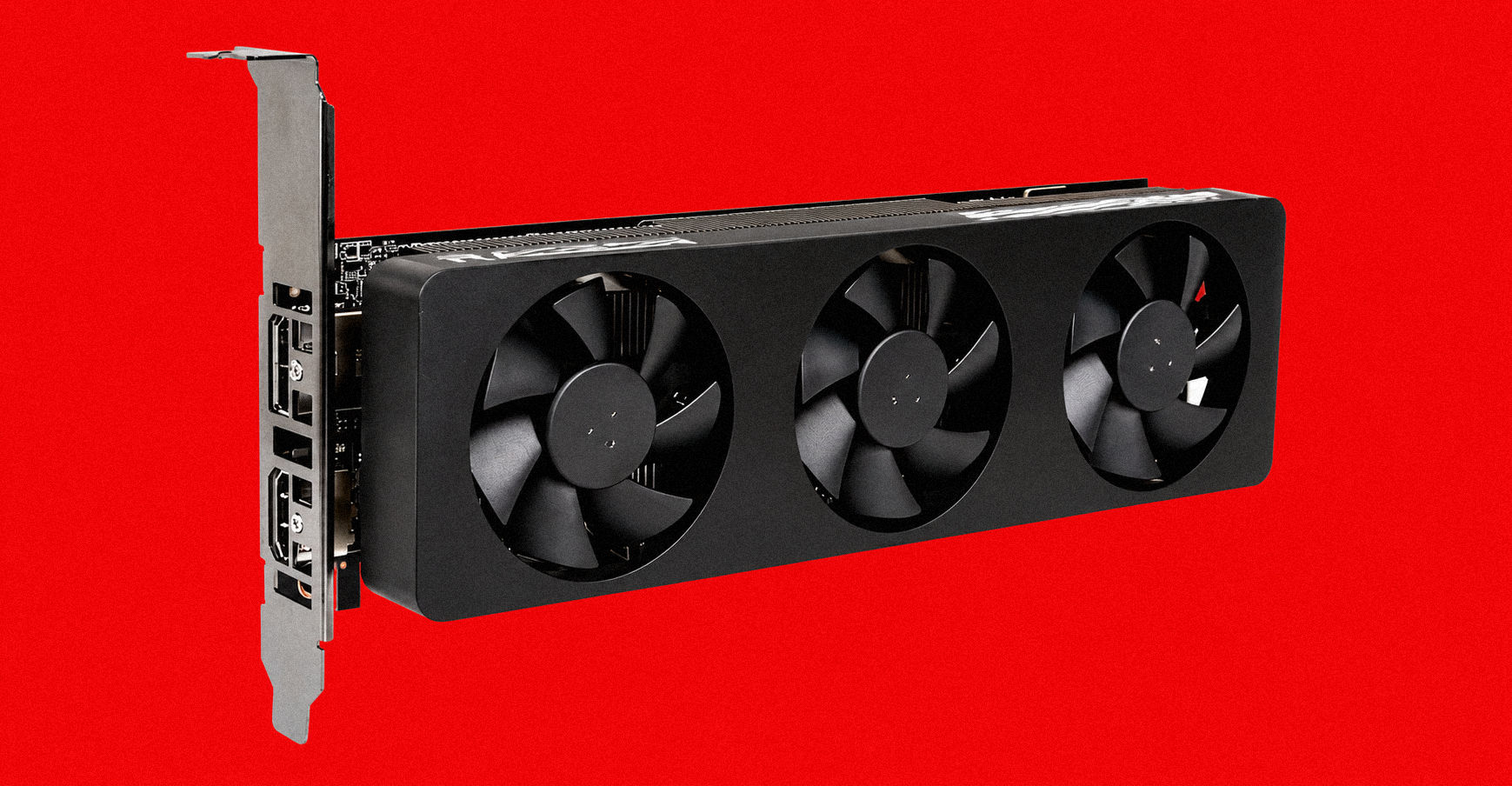
The leak names a model, not a cooler. Buyers still cannot know whether PowerColor will cut power, memory speed, or fan count.
No page measured the LP card’s dimensions, board power, memory speed, or connector. AMD’s reference still shows up to 18 Gbps memory, up to 288 GB/s bandwidth, and a 450 W PSU recommendation, but none of those numbers has been tied to PowerColor’s LP board.
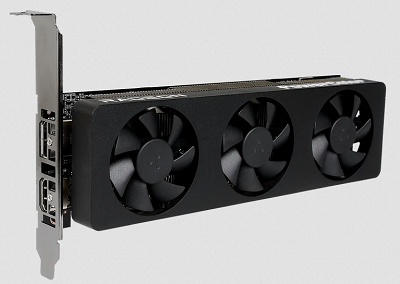
The leak constrains PowerColor to a low-profile envelope, not AMD to a new silicon spec. Until a board is measured, the 92 W reference number is a ceiling for the reference, not proof that the LP card will match it.
The PowerColor LP card’s dimensions, board power, memory speed, and connector were not measured.
The LP name is the change; the 92 W figure remains a reference ceiling until a board is measured.
After amd.com. We did not report this. The pictures, if any, are theirs.