Huawei's hybrid bonding clears internal targets for a 2027 Kirin
Stacking is Huawei's workaround for the EUV gap, and a 2027 Kirin test using hybrid bonding has met internal targets.
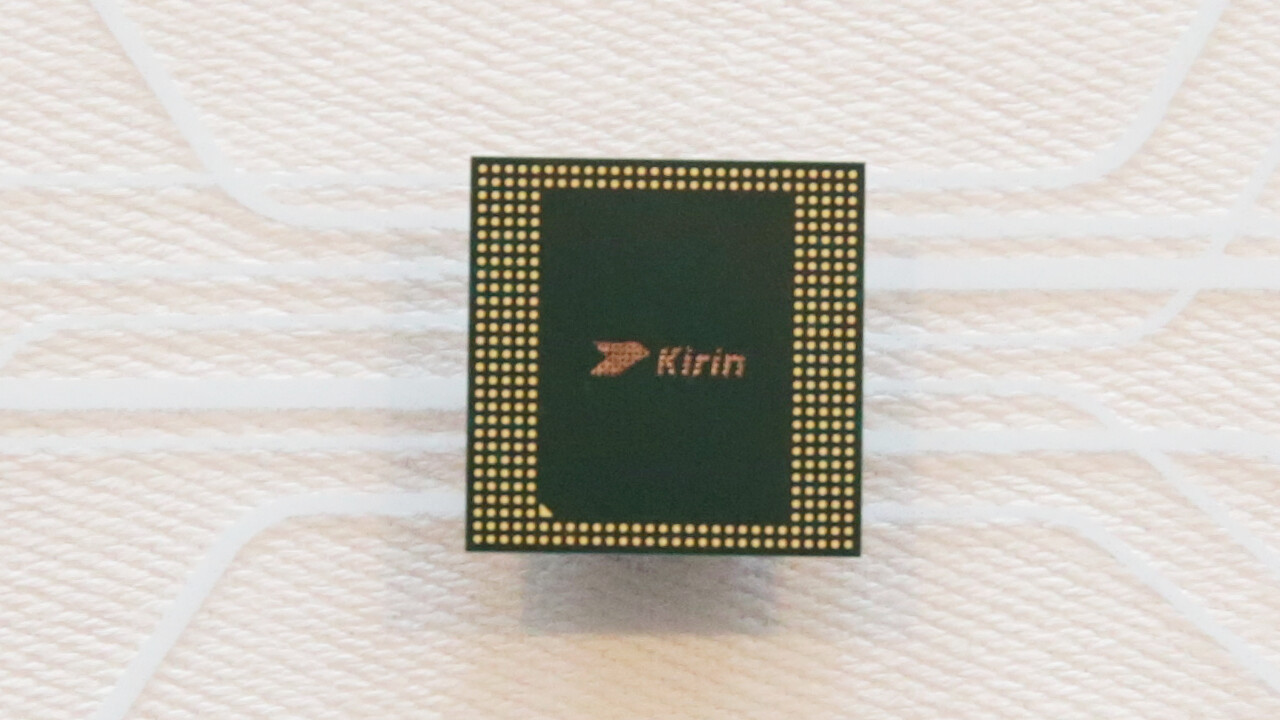
| Kirin | |
|---|---|
| expected year | 2027 |
| hybrid connections | more than 50 million |
| transistor density increase | 53.5 percent |
| clock improvement | 12.7 percent |
| performance-core efficiency gain | 41 percent |
| chip cost reduction | 30 percent |
| 2031 target clock | 5.00 GHz |
| 2031 target density | more than 400 MTR/mm² |
The 50 million hybrid connections cleared the internal test, but they do not establish a clock, core count, GPU, NPU, price, or yield.
The EUV gap is the real constraint. Huawei is buying density from stacking, bonding, and packaging instead.
The 53.5 percent density and 12.7 percent clock figures are targets, not measurements.
Full configuration, actual clock, power, price, and volume yield remain open.
The 2031 goals of 5.00 GHz and more than 400 MTR/mm² are future aspirations. The 30 percent cost reduction is a projection, not an invoice.
The piece frames the 50 million connections as a test milestone rather than a spec, keeps the EUV constraint as the organizing logic, and treats the density and clock figures as targets rather than measurements.
After computerbase.de. We did not report this. The pictures, if any, are theirs.