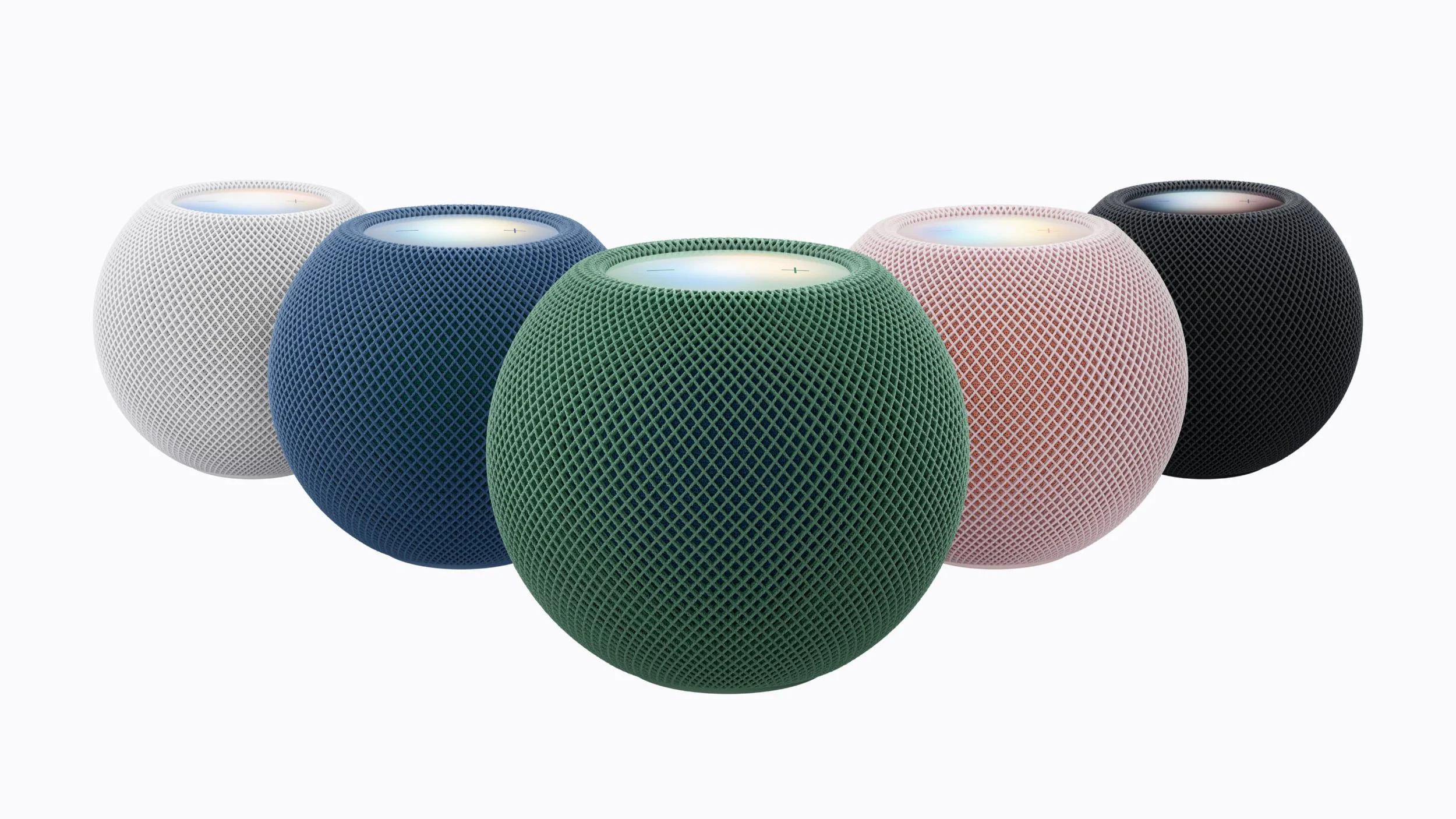
Wi-Fi 6E Is the HomePod mini 2's Ticket to the Mac's Default Audio Slot
The HomePod mini 2's jump from Wi-Fi 4 to Wi-Fi 6E is not a cosmetic spec bump—it is the functional prerequisite that lets the speaker become a Mac's default audio output, a role the original HomePod mini could only approximate through AirPlay with its attendant latency.
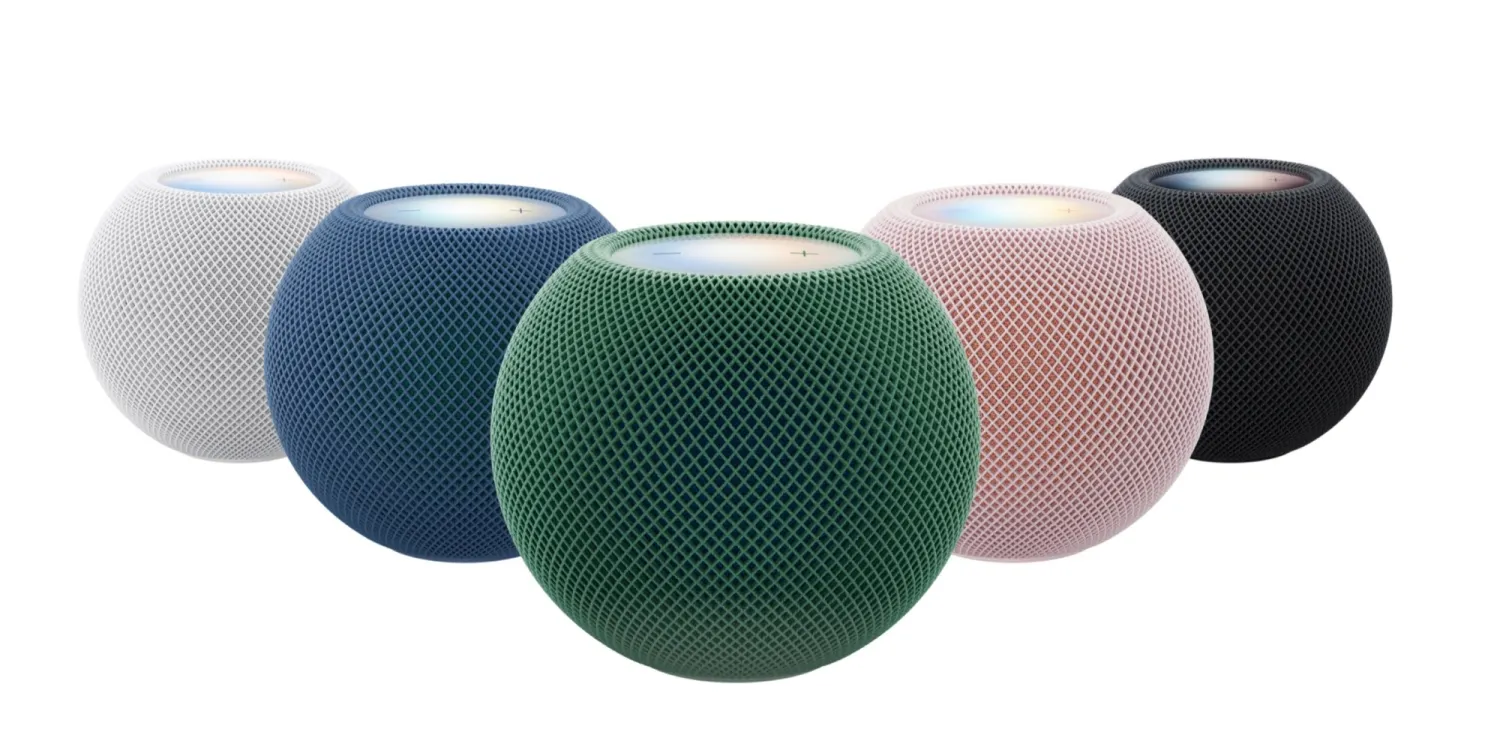
The original HomePod mini could stream to a Mac via AirPlay, but it could not be set as the system's default audio output. The HomePod mini 2 can, on any Mac equipped with Wi-Fi 6E or later.

The requirement is stated plainly: Wi-Fi 6E or later on the Mac side. The speaker side got Wi-Fi 6E, up from Wi-Fi 4. The pairing is the unlock.
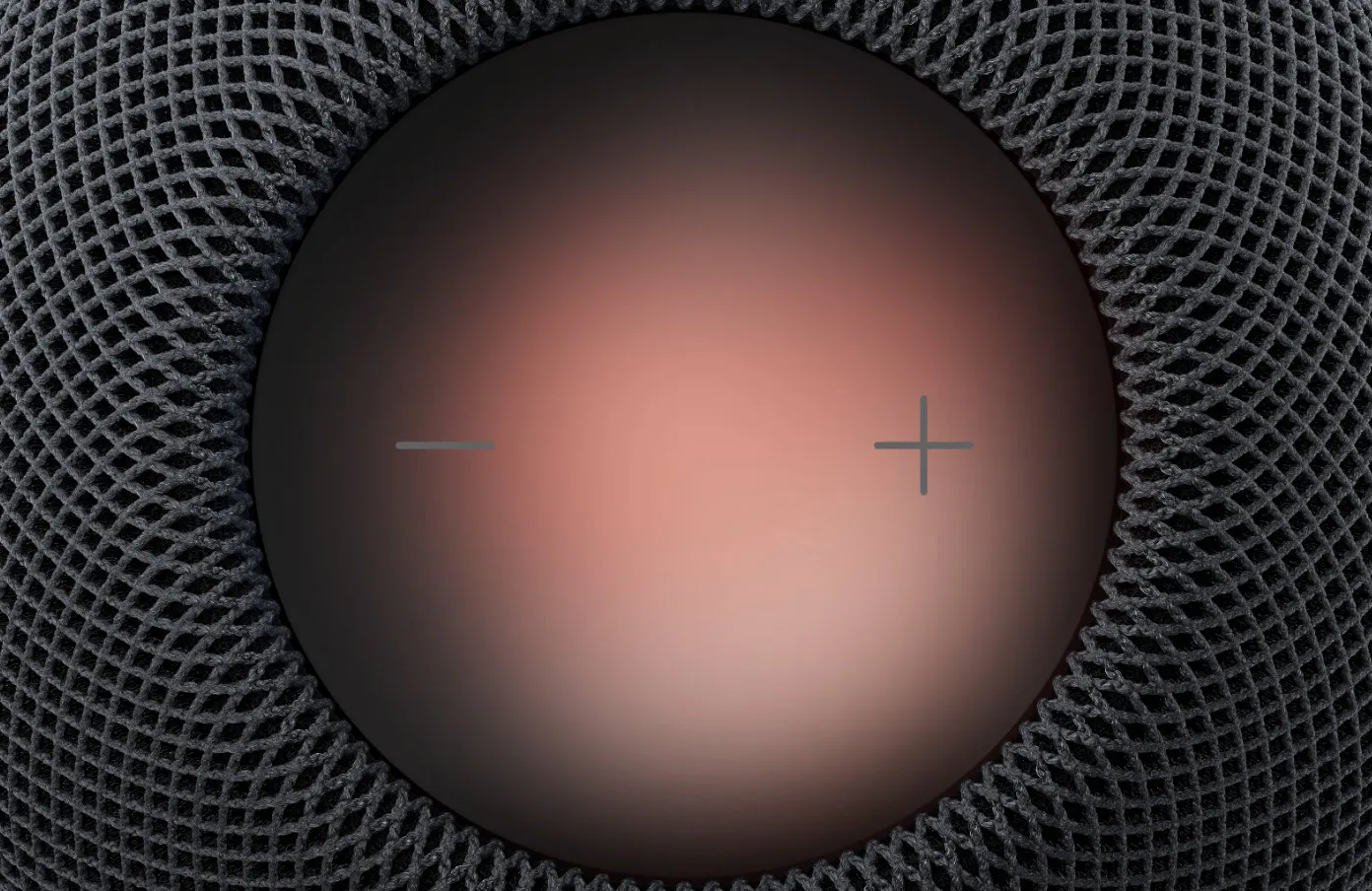
AirPlay, the fallback path for the older model, introduces latency. Default-speaker status eliminates that layer—the Mac routes audio to the HomePod mini 2 as it would to built-in speakers.
The S10 chip, up from the S5, is also new, but Apple has not stated whether it contributes to the audio pipeline for this feature. The Wi-Fi 6E requirement is the only stated condition.
MacRumors reported the default-speaker capability and the Wi-Fi 6E requirement; 9to5Mac covered the feature comparison. The hole: Apple has not explicitly confirmed that Wi-Fi 6E is the causal mechanism behind default-speaker eligibility—the connection is inferred from the stated requirement. Whether the S10 chip plays a role in the audio path remains unmeasured.
The Wi-Fi 6E requirement on both ends of the link is the only stated condition for default-speaker eligibility. The S10 chip upgrade is unverified as a contributing factor. Apple has not published a causal statement linking the radio upgrade to the audio-routing change, leaving the mechanism inferred rather than confirmed.
Die Brief desk. The claim is ours. Facts from 9to5Mac, MacRumors, ComputerBase, AppleInsider. Pictures, if any, are from those pages.