HomePod mini 2 ships October 30 at $149 with Siri AI deferred
Apple's Newsroom page lists the HomePod mini 2 at $149, available October 30, with Siri AI arriving in a future software update.
| HomePod mini 2 | |
|---|---|
| Price | $149 |
| Chip | S10 |
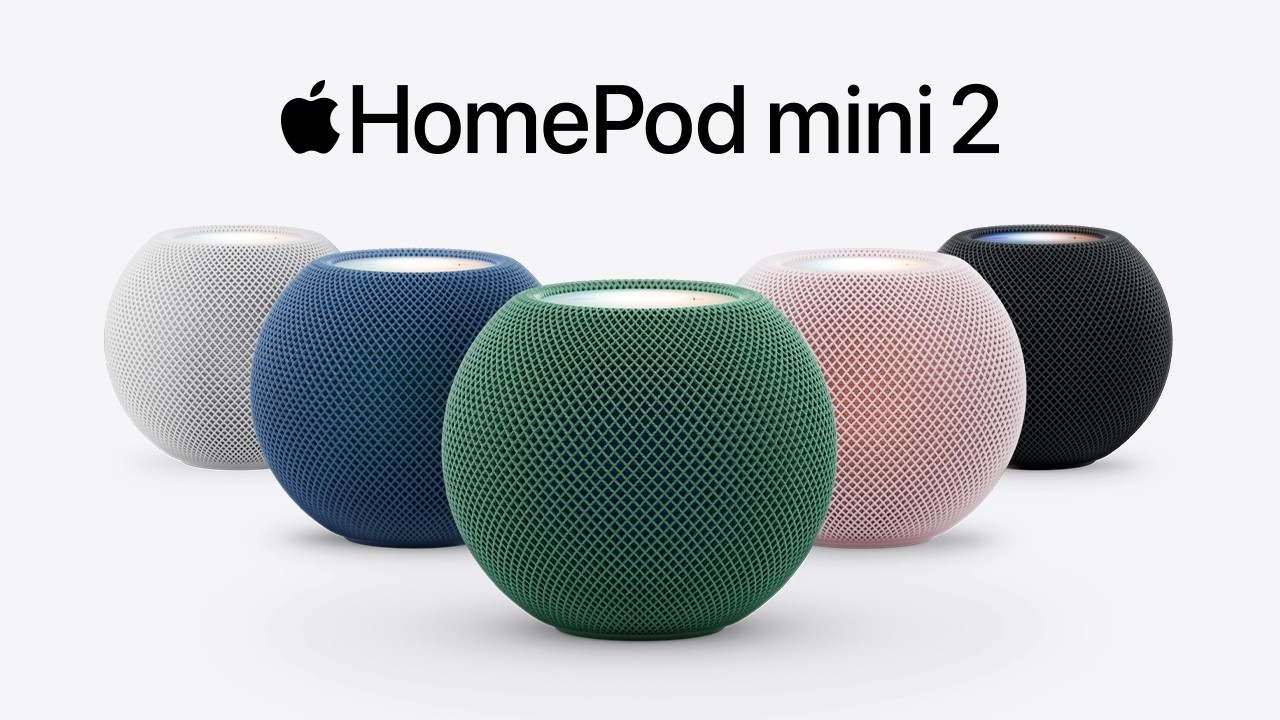
| Colors | pink, green, blue, white, midnight |
| Launch | October 30, 2026 |
| Voice recognition | up to six users |
| Surround | four-speaker with Apple TV 4K |
Apple's Newsroom page, dated October 13, 2026, lists the HomePod mini 2 at $149, with pre-orders open and availability beginning Friday, October 30. The page names the S10 chip, five colors—pink, green, blue, white, midnight—and a Sound Glow feature on the top surface. The announcement is a press release from Cupertino, not a spec sheet, and it leads with the word "profoundly" to describe the Siri AI that is not yet in the device. The page is the primary document. Everything below is drawn from it and from the MacRumors filing that ran the same morning.
The S10 chip handles what Apple calls advanced computational audio. The page says it optimizes dynamic range, loudness, and acoustic performance in real time. That is the same framing Apple used for the first HomePod mini's S5 chip, updated for a newer generation. The Sound Glow turns the top into a "visual canvas" that animates in sync with bass and treble, pulling colors from the song's album artwork so each track gets a different palette. No one has measured the peak brightness, the refresh rate, or the power draw of that surface. The document does not say whether the glow is an LED array or a diffused panel, or whether it is active from the first power-on or requires a software update.
It is four HomePod mini 2 units paired with the Apple TV 4K that Apple announced the same day. The speakers recognize their position in the room and calibrate levels to the space. Apple calls it its "most immersive home theater setup yet," which is a marketing claim, not a measurement. The page does not state the frequency response, the total harmonic distortion, or the maximum sound pressure level of the four-speaker configuration. A single HomePod mini 2 plays 360-degree sound from its compact footprint, and the page says it works as a single speaker, a stereo pair, or a multiroom setup.
The stretch is the gap between the $149 and the configuration the headline describes. One speaker at $149 plays 360-degree sound on its own, or pairs as stereo or multiroom. The four-speaker surround requires four units—$596—plus the Apple TV 4K, whose price the Apple Newsroom page does not state. The buyer who wants the surround setup is making a second purchase the document does not price. The single-speaker configuration is what the starting price buys. The surround configuration is what the marketing image shows, and it is a different product at a different cost that the page does not quantify. The $149 is the floor. The surround system is the ceiling, and the ceiling has no number on it.
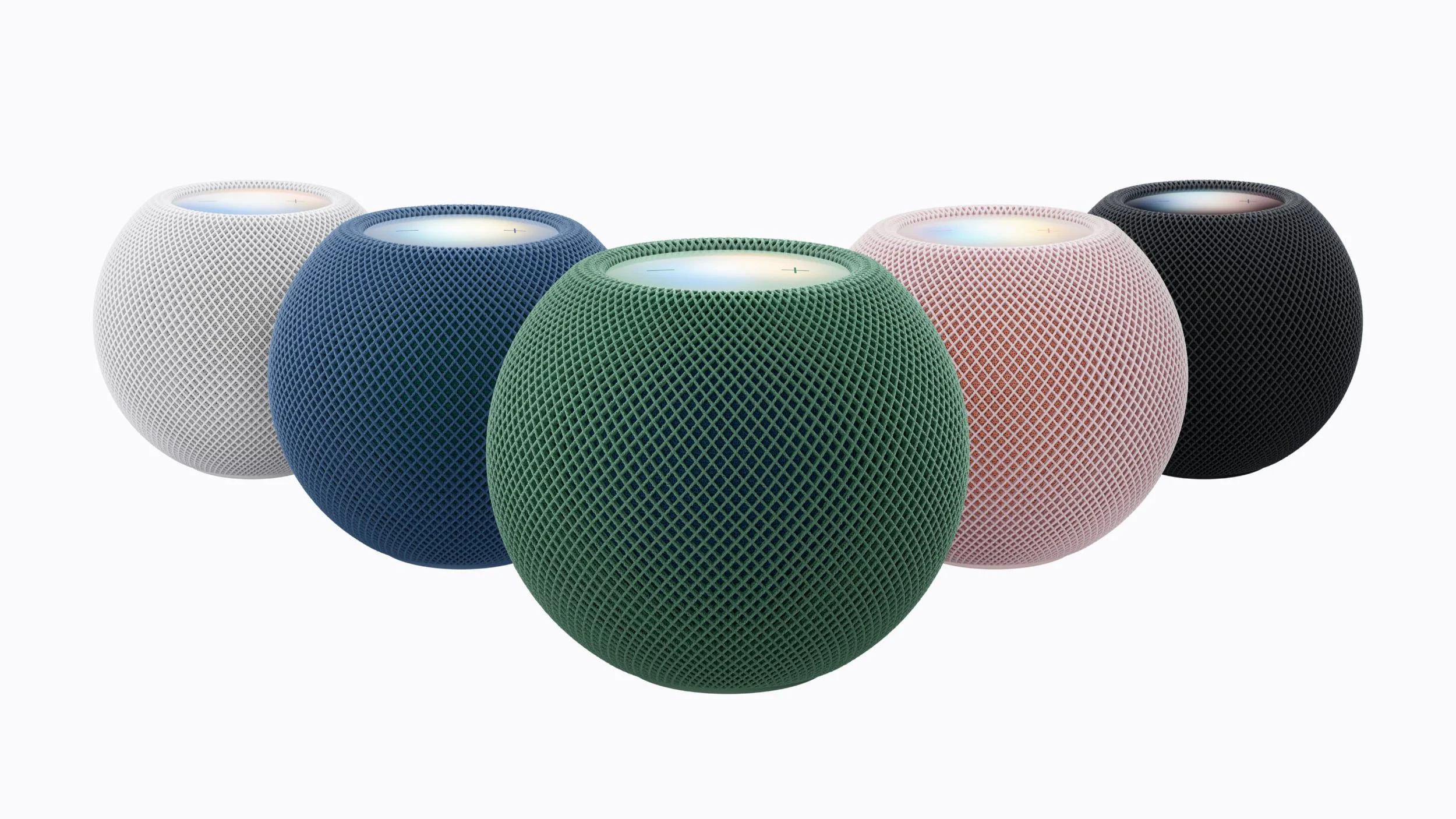
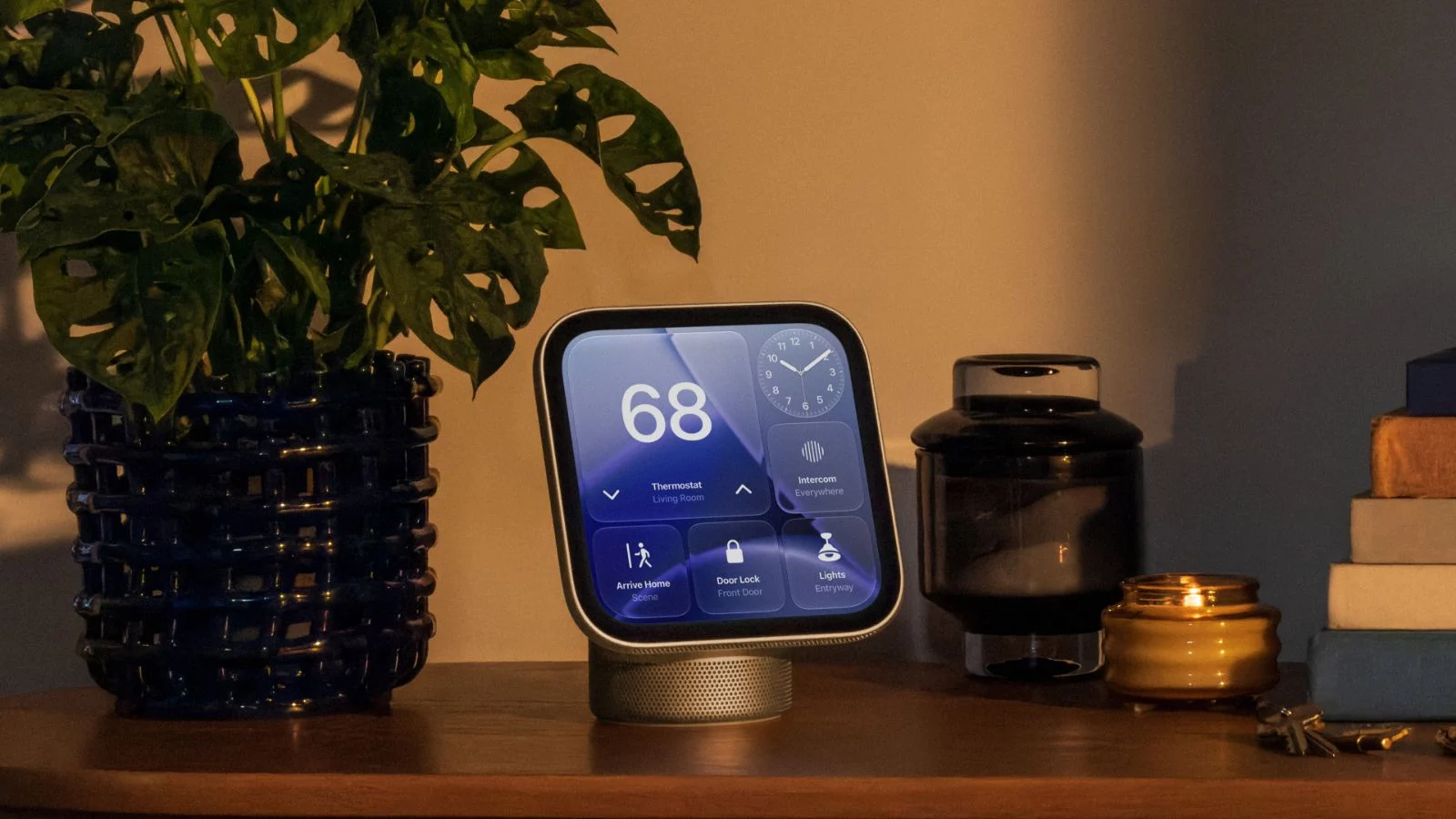
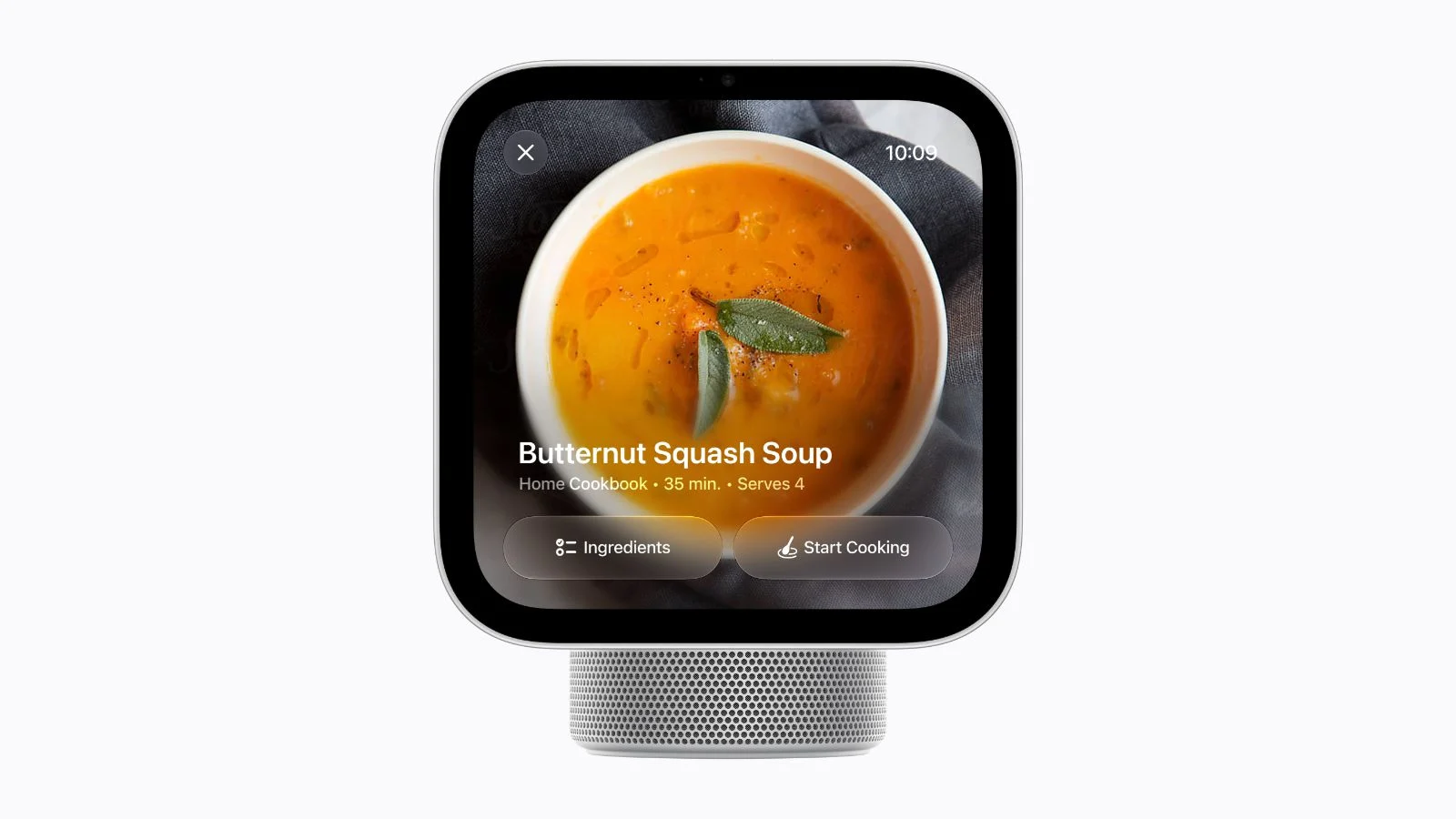
The page says it arrives in a future software update, powered by an architecture built on the latest generation of Apple Foundation Models. When paired with an Apple Intelligence-enabled iPhone or iPad, it recognizes up to six users by voice and connects to their device across Messages, timers, calendar events, and location-based reminders. It can find a song recommended in a text, set a reminder tied to a calendar event or location, locate a recipe from an email, or add ingredients to a grocery list. The page describes these as tasks Siri AI can "privately act on," which means the processing stays on-device or in Apple's private compute environment rather than routing through a third-party cloud. The six-user limit is a number the page states. The date is not.
Without an Apple Intelligence-enabled phone, the page says the speaker still offers "broad world knowledge, natural conversations, and improved music discovery." That is the floor. The ceiling requires a phone that Apple has not yet shipped to every household, and the document does not say which models qualify or when the update lands. A buyer who owns an older iPhone is buying a speaker that will not receive the Siri AI feature the announcement is built around, at least not on the timeline the page implies. The speaker is a home hub for smart home devices regardless, but the Siri AI is the reason the page exists.
The MacRumors filing from the same morning bundles the Siri AI class-action settlement—$250 million, roughly $25 per eligible iPhone, claims open September 21 through December 21—into the same article as the hardware launch. The settlement is a separate legal event. It does not change the $149 price or the October 30 date, but it does mean the Siri AI that the HomePod mini 2 is built to receive has already cost Apple a public accounting in a U.S. The hardware ships before the software it was designed around, and the settlement is the receipt for the delay. The filing also notes that the HomePod mini 2 can work as a speaker for the Mac, which is a carryover function, not a new one.
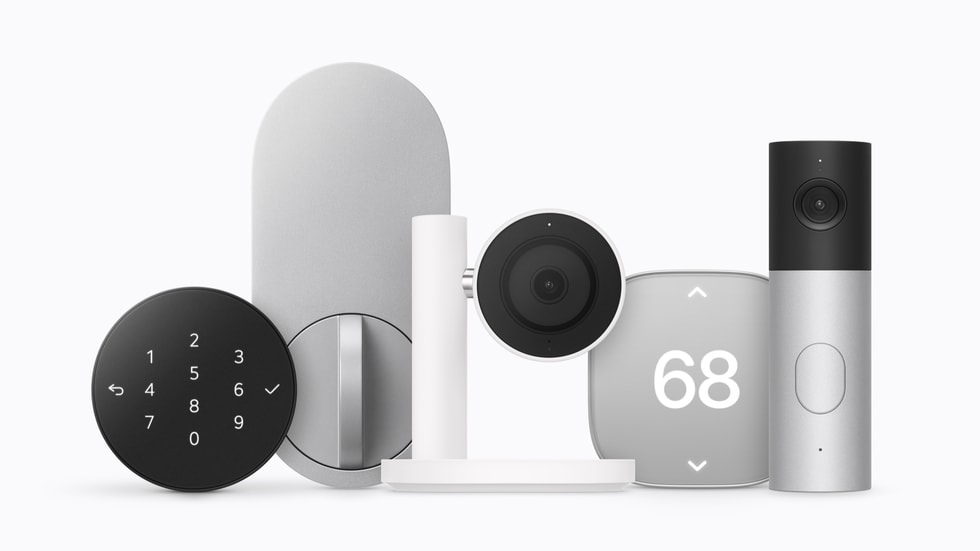
The speaker also supports Sound Recognition for smoke and carbon monoxide alarms, sending an alert if one is detected. It continues to serve as a home hub for smart home devices. Those are carryover functions from the first HomePod mini. The new hardware is the S10 chip and the Sound Glow surface. Everything else—the Siri AI, the multi-user voice recognition, the surround calibration—is software that arrives after the box opens. The page does not say whether the Sound Glow requires a software update or is active from the first power-on, and it does not say whether the S10 chip changes the power envelope of the device.
The buyer at $149 is constrained by two things the document does not resolve. First, Siri AI has no date. The page says "future software update" and stops. Second, the four-speaker configuration that the marketing leads with requires a second purchase—four units and an Apple TV 4K whose price, chip, and specifications are not on this page. The $149 speaker is a single point source with a glowing top. The surround system is a different product at a different price, and the document does not name that price. What the buyer cannot know from this page is whether the S10 chip is a new process node or a bin of the existing one, and whether the Sound Glow adds measurable power draw to a device that was already a low-wattage speaker. The fab question is unanswered, and the buyer is paying for a promise.
What is still unmeasured: dimensions, weight, power draw, SKU, the exact Siri AI release date, and the Apple TV 4K's price and chip. The Apple Newsroom page gives a launch date and a price. It does not give a spec sheet, and the buyer who pre-orders on October 13 is committing to a device whose most advertised feature will not be active on October 30.
The $149 buys one speaker; the four-speaker surround the marketing leads with is a second purchase the page does not price, and the Siri AI that justifies the announcement has no date. The buyer is paying for a promise the document does not keep on October 30.
Dimensions, weight, power draw, SKU, the exact Siri AI release date, and the Apple TV 4K price and chip are not in any document.
The S10 chip and Sound Glow are the only new hardware. Siri AI is deferred to a future update with no date, and the four-speaker surround requires four units plus an Apple TV 4K whose price is absent from the page. The $149 configuration is a single point source; the headline configuration is a different product at an unstated cost.
After apple.com. We did not report this. The pictures, if any, are theirs.