Samsung might boost HBM4 chip production 2.5x by 2027
Samsung is preparing to aggressively scale up its HBM4 production, with a 2.5x increase expected by 2027 and a 40% bump in 2028, as AI data center demand drives the glass carrier orders.
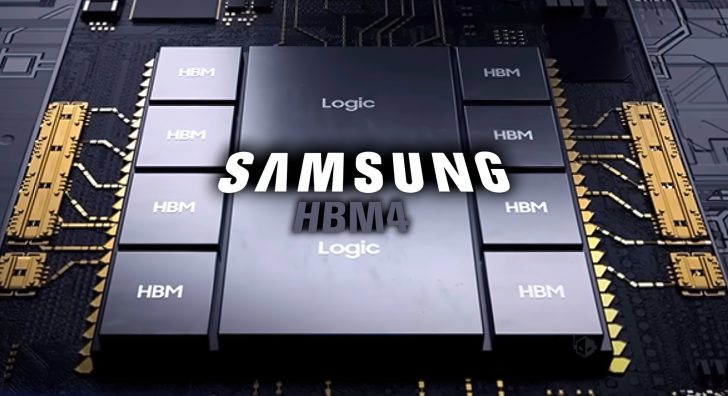
Memory giant Samsung is preparing to aggressively scale up its production of the next-generation HBM4 memory chips, suggests a report from the Korean media. Samsung, like other memory chip manufacturers, is facing high demand for its products amidst a global shortage ushered in due to high demand from the AI data center buildout. The report bases its conclusion on increased orders for components used to manufacture the HBM memory chips, with orders for glass carriers expected to increase significantly next year. Samsung's HBM production is expected to bump by 40% in 2028, says the report. The past couple of months have seen several reports that discuss Samsung's HBM4 memory chips. HBM4 memory chips are primarily used in Nvidia's latest AI GPU lineup, the Vera Rubin products. The advancements in high bandwidth memory have also necessitated an upgrade to the base memory die of the memory chips. The die sits at the bottom of the DRAM memory chip stack that makes up an HBM module, and reports have suggested that Samsung has dedicated significant foundry capacity to manufacture the HBM4 base memory dies. The memory dies will be manufactured with the 4-nanometer manufacturing process technology node that is typically used for logic chip production, such as CPUs and GPUs. Now, a report from the Korean media suggests that Samsung is expected to significantly increase its procurement of glass carriers.
The 2.5x increase by 2027 is the scale, and the 40% bump in 2028 is the second step. The glass carrier orders are the component, and the AI data center buildout is the demand. The Vera Rubin products are the target, and the 4nm base memory die is the die. The foundry capacity is the capacity, and the glass carriers are the components. The Korean media report is the source, and the glass carrier procurement is the specific order.
This is an HBM4 production scale-up. The HBM4 production is the target, and the AI data center buildout is the demand that drives it.
The specific production figures, the timeline, and whether the 2.5x scale-up is firm. The report gives the scale and the timeline, but not a production figure or a firm schedule, and the 2.5x increase is the estimate, not a confirmed scale. The 40% bump in 2028 is the second step, and the glass carrier orders are the component.
Whether the 2.5x scale-up happens, the production figures, and whether the glass carrier orders increase. For the memory market, an HBM4 production scale-up of 2.5x by 2027 is a significant capacity change, and the AI data center buildout is the demand that drives it.
Samsung is preparing to aggressively scale up its HBM4 production, with a 2.5x increase expected by 2027 and a 40% bump in 2028. An HBM4 production scale-up driven by AI data center demand.
HBM4 production 2.5x by 2027 · 40% bump in 2028 · Glass carrier orders · Vera Rubin target, 4nm die
After Wccftech Hardware. We did not report this. The pictures, if any, are theirs.