Fourth i9-14900K Fails After Microcode Fix, No Voltage Data in Frame
A fourth Core i9-14900K in a single system is throwing the 0xC0000005 BSOD after a BIOS microcode update, with no voltage or thermal data recorded for the failure.
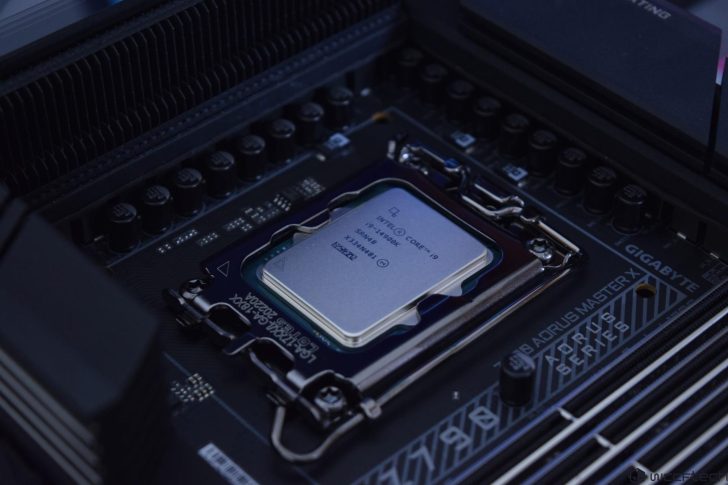
A fourth Core i9-14900K in one customer's build is throwing the 0xC0000005 BSOD, and the motherboard BIOS update carrying the microcode fix did not stop it. The unit sits beside an RTX 5090 and 64GB of DDR5-6000 CL28. The owner, posting as u/unvac, has already cycled through three replacements since the chip shipped.
The frame shows what was done: the BIOS was updated, the Enforce All Limits option was disabled, and Intel's default settings replaced the board-optimized profile. A second Redditor in the thread noted that the newer BIOS revision raises voltages, and that the instability pattern typically traces to lower ACLL values rather than the microcode itself. The desk's own testing on a 14900HX in a laptop required undervolting through Throttlestop to cap the voltage the CPU requested, alongside reduced P-core clocks.
The document does not measure what voltage the fourth unit draws at the moment of the BSOD. The microcode fix was designed to limit voltage requests, but if the BIOS revision raises the baseline, the two corrections pull in opposite directions. The buyer is constrained: stability now requires running below rated boost, which means the chip's thermal and performance envelope is no longer what Intel published. Four units in one socket showing the same failure pattern points toward a voltage delivery issue at the board level, but the document does not isolate that. It does not prove the silicon is defective. It does not prove the fix is insufficient. It only shows that the fix, as delivered through this particular BIOS, did not hold.
No thermal trace, no degradation rate, no voltage log accompanies the fourth unit's failure. The owner is already sketching a migration to a Core Ultra 7 270K Plus on a Z890 APEX board with 48GB of 8,400MHz CUDIMM. Whether the next unit holds or the pattern repeats is not in the document.
The microcode fix and the BIOS update work in opposite directions on voltage, and the document provides no measurement to confirm which one is dominant. The buyer's only path to stability is undervolting below rated boost, which voids the published thermal envelope.
The 0xC0000005 BSOD on the fourth unit indicates the microcode voltage cap did not hold under the newer BIOS revision, which raises baseline voltages. Without a voltage trace at failure, the document cannot distinguish between silicon degradation and board-level voltage delivery. The practical constraint is that stable operation now requires Throttlestop undervolting below rated P-core boost.
0xC0000005 BSOD on fourth replacement unit · RTX 5090 + 64GB DDR5-6000 CL28 system · BIOS microcode fix applied, Enforce All Limits disabled · Newer BIOS revision raises voltages per thread reply
After @hms1193. We did not report this. The pictures, if any, are theirs.