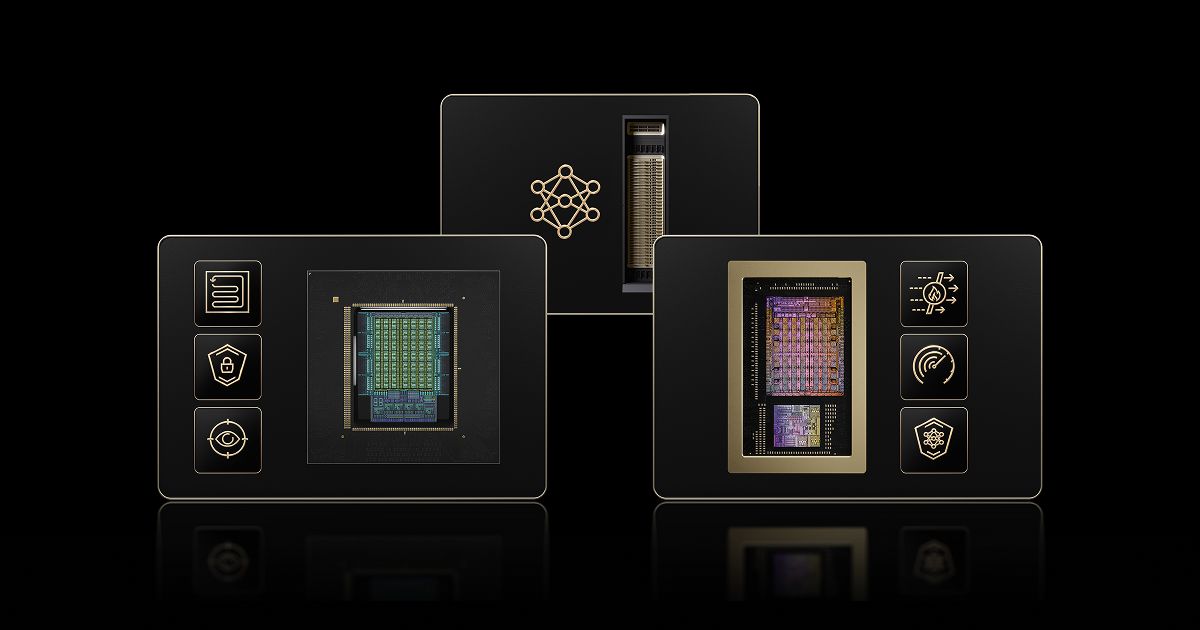
Jalapeño and the EDA headline with no numbers behind it
OpenAI's Jalapeño project is named in a Tom's Hardware headline about AI in chipmaking, but the article prints no node, no benchmark, and no PPA comparison.

Jalapeño, the OpenAI chip-design effort, appears in a Tom's Hardware headline with no node, no clock, no benchmark, and no PPA delta. The title reads "silicon is starting to design silicon." That is a metaphor, not a measurement. The page that carries the claim is a single Tom's Hardware article, and the only concrete nouns it supplies are "EDA tools" and the project name itself.
The document names EDA tools as the locus of AI adoption but does not identify which stage of the flow—placement, routing, DRC, or sign-off—the model touches. No vendor is named for the tool. The word "Jalapeño" appears as a project label with no architecture diagram, no transistor count, and no comparison to a hand-placed baseline. The reader is left to infer that some neural network is substituting for a deterministic solver somewhere in the physical-design pipeline, but the document does not say where or how.

What the page does not contain is the entire technical substance: no accuracy figure, no runtime comparison, no area or power delta against a conventional EDA run. The claim that silicon is "starting to design silicon" rests on a narrative framing, not on a published result. A headline is not a datasheet, and a project name is not a tape-out. The absence of numbers here is not a gap in reporting; it is the state of the claim.
The desk's read: no buyer or fab is constrained by this document because it constrains nothing. It does not prove that AI-assisted EDA has cleared the research-to-tape-out threshold, and it does not prove that it has not. What changes for the buyer is the procurement question—whether the next EDA license renewal includes a model-in-the-loop option—and that question is still unanswerable from this page. The fab, meanwhile, has no new process constraint to plan around.
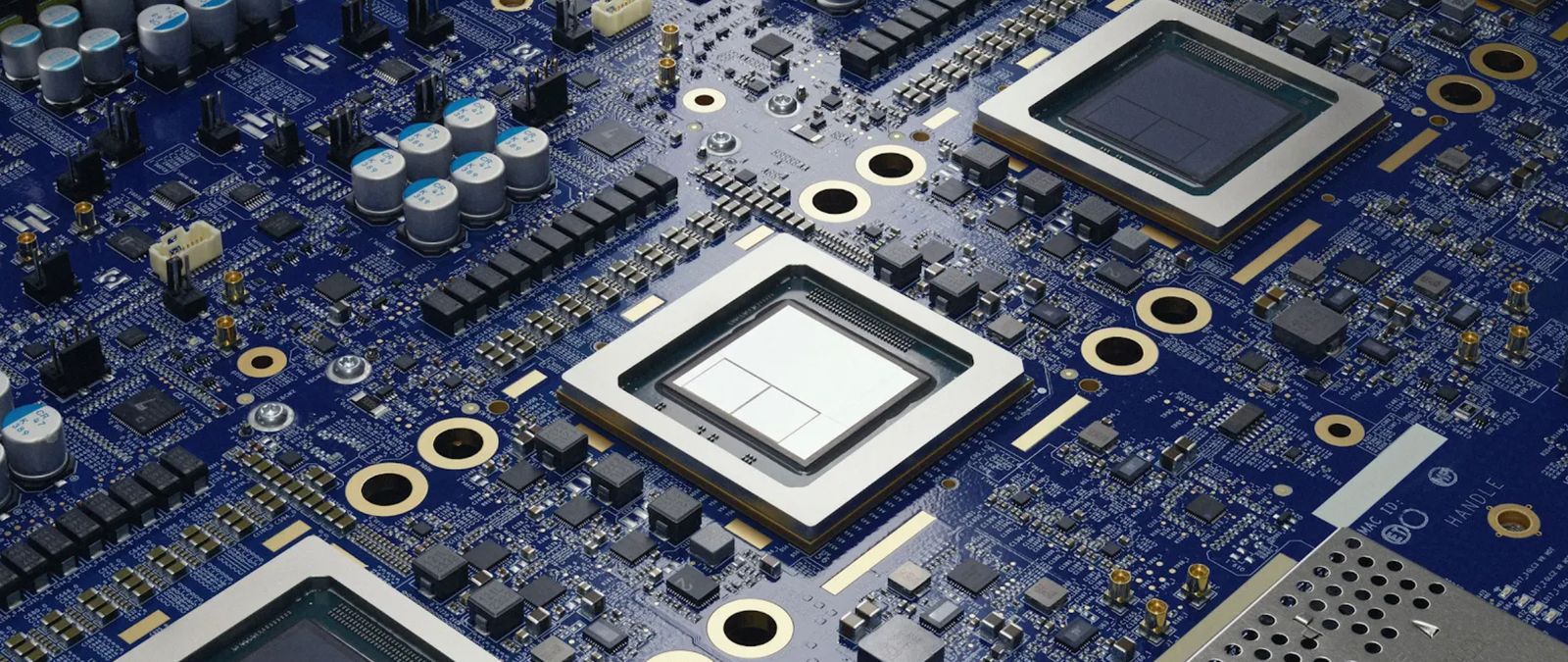
What remains unmeasured: the accuracy of the model's placement or routing decisions at a specific node, the runtime overhead versus a deterministic solver, and whether the output passes DRC without manual correction. Watch for a vendor to publish a PPA table with the AI-assisted flow as a column, or for OpenAI to release a paper with a node-specific benchmark. Until then, "silicon designing silicon" is a press phrase, not a process step.
No buyer or fab is constrained by this document because it constrains nothing; it does not prove AI-assisted EDA has cleared the research-to-tape-out threshold, nor that it has not. The procurement question—whether the next EDA license includes a model-in-the-loop option—remains unanswerable from a page with zero measurements.
The document is a narrative piece, not a technical report. It names a project (Jalapeño) and a category (EDA tools) but provides no node, no accuracy figure, no runtime delta, and no PPA table. The claim "silicon is starting to design silicon" is a framing device, not a measured result. Until a vendor publishes a PPA comparison with the AI-assisted flow as a column, the architectural consequence is zero.
OpenAI's Jalapeño is named as a chip-design project · EDA tools are identified as an AI use case in chipmaking · No process node, wattage, SKU, or measurement is printed · The article is a single Tom's Hardware page
After Tom's Hardware. We did not report this. The pictures, if any, are theirs.