Surface RTX Spark Dev Box: NVIDIA RTX Spark pairs a 20-core Grace CPU with a 6,144-core
NVIDIA's RTX Spark platform pairs a 20-core Grace CPU with a 6,144-CUDA-core Blackwell GPU, up to 128 GB unified memory, and 1 petaflop of AI compute in Windows on Arm desktops.
| RTX Spark | |
|---|---|
| CPU | 20-core NVIDIA Grace |
| GPU | Blackwell, 6,144 CUDA cores |
| Memory | Up to 128 GB unified |
| AI compute | Up to 1 petaflop |
| LLM | Up to 120 billion parameters |
| Connectivity | 10 Gb Ethernet |
| First-wave availability | November 18 |
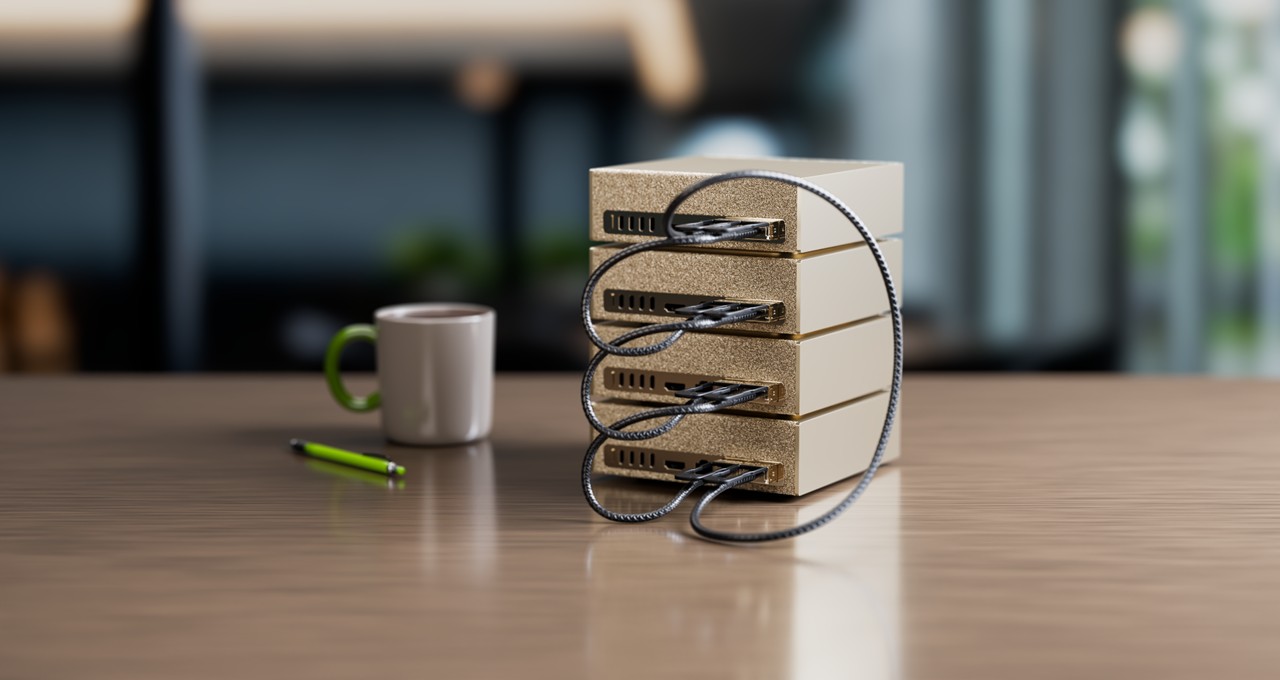
The Surface RTX Spark Dev Box is Microsoft's planned compact desktop on the RTX Spark platform, which pairs a 20-core NVIDIA Grace CPU with a Blackwell GPU carrying 6,144 CUDA cores. The VideoCardz filing of November 18 lists no price for any RTX Spark configuration, including the Surface unit, so the vendor's number here is the specification rather than a dollar figure. The platform's headline figure is 1 petaflop of AI compute, a theoretical peak that the document does not separate from a measured result.
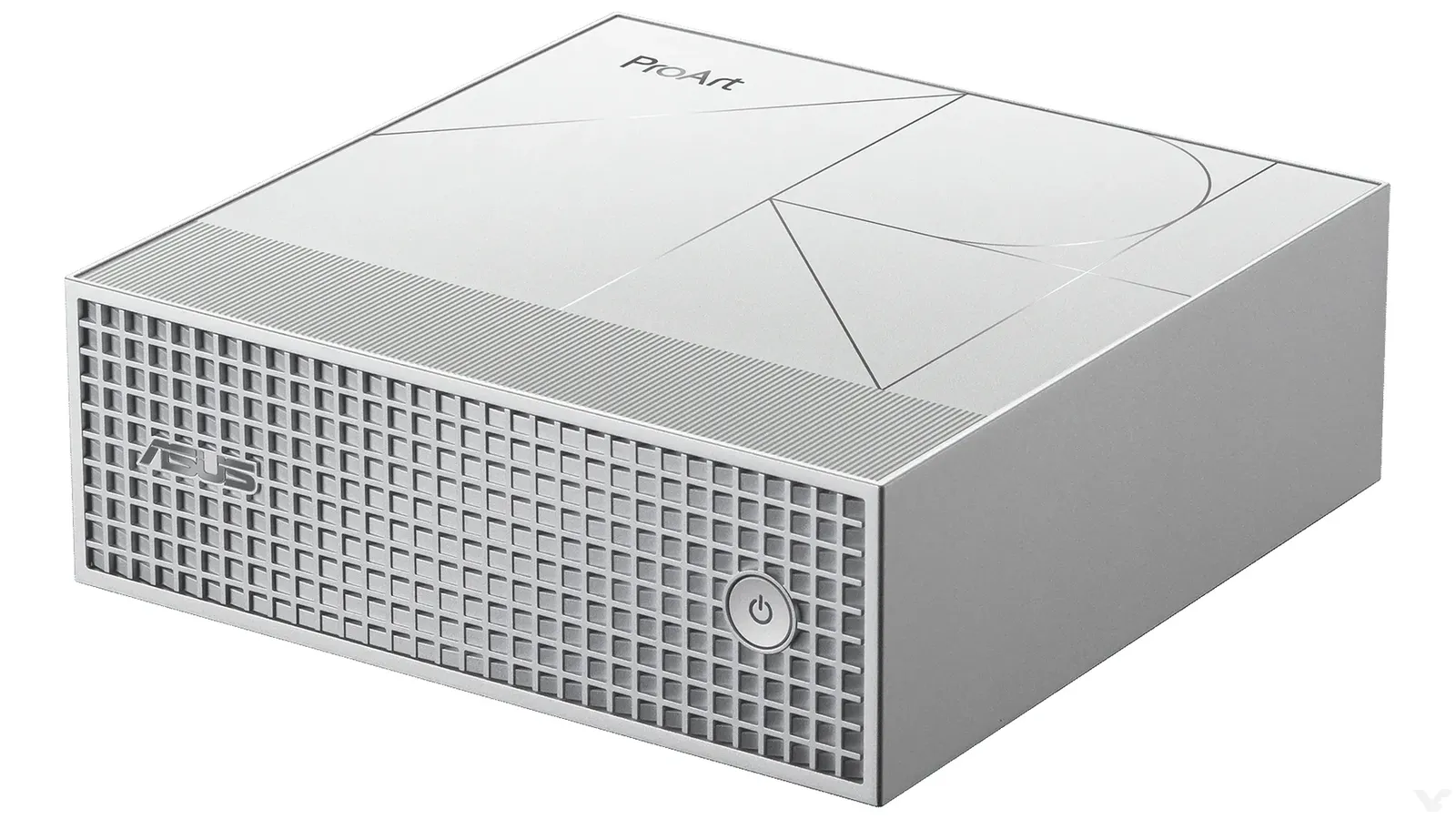
The first-wave systems—ASUS ProArt GR1X, a Dell model, and MSI EdgeMesa N AI+—are available from November 18 as dedicated Windows on Arm PCs for AI development and continuous agent workloads. The Surface RTX Spark Dev Box sits in the second wave alongside Acer, GIGABYTE, and HP, with no ship date, no configuration tier, and no price attached to its name. The filing describes all RTX Spark units as compact desktops but gives no chassis dimension, no weight, and no power connector specification.
The stretch between what a buyer can order on November 18 and what the headline number describes is not quantified in the document. The first-wave systems are named but not spec'd beyond the platform ceiling; the 128 GB memory, the 1 petaflop, and the 120-billion-parameter LLM claim are stated as platform maximums, not as the configuration any specific SKU ships with. A buyer who walks into a store on November 18 cannot tell from the filing whether the ASUS ProArt GR1X carries 64 GB or 128 GB, or whether its GPU is the full 6,144-core part or a trimmed variant.
128 GB of unified memory is the upper bound the document states for the platform, and the CPU and GPU draw from the same pool. It does not say what memory the first-wave systems actually populate, nor what the Surface Dev Box will carry at launch. The 120-billion-parameter LLM claim sits at the top of that envelope, but the document names no model, no quantization scheme, and no context window against which a buyer can test the claim.
The petaflop figure is a peak, not a sustained throughput, and the document does not state the precision at which it is achieved. Whether that number assumes FP4, FP8, or sparsity is not written down, which means it functions as a datasheet ceiling rather than a workload measurement. A buyer who needs to compare it against a discrete GPU's tensor throughput has no common denominator in the filing.
A 10 Gb Ethernet port is the only connectivity figure beyond the CPU and GPU. No NVMe specification, no PCIe generation, and no thermal envelope appear in the filing. The 90 GB real-time 3D scene rendering claim and the 4:2:2 video editing workload are listed as supported, but no frame rate, no resolution, and no codec profile are attached to either. The filing does not state whether the Ethernet port is the sole network interface or whether Wi-Fi is also present.
The 20-core Grace CPU lacks a stated clock, a named Arm Neoverse variant, and a memory bandwidth figure. The Blackwell GPU is identified only as a "Blackwell-based RTX GPU" with 6,144 CUDA cores; no SKU, no clock, no TDP. The NVIDIA GeForce RTX page in the dossier describes the 50 Series with fourth-gen RT Cores and fifth-gen Tensor Cores, but does not map the Spark GPU to a specific 50 Series part.
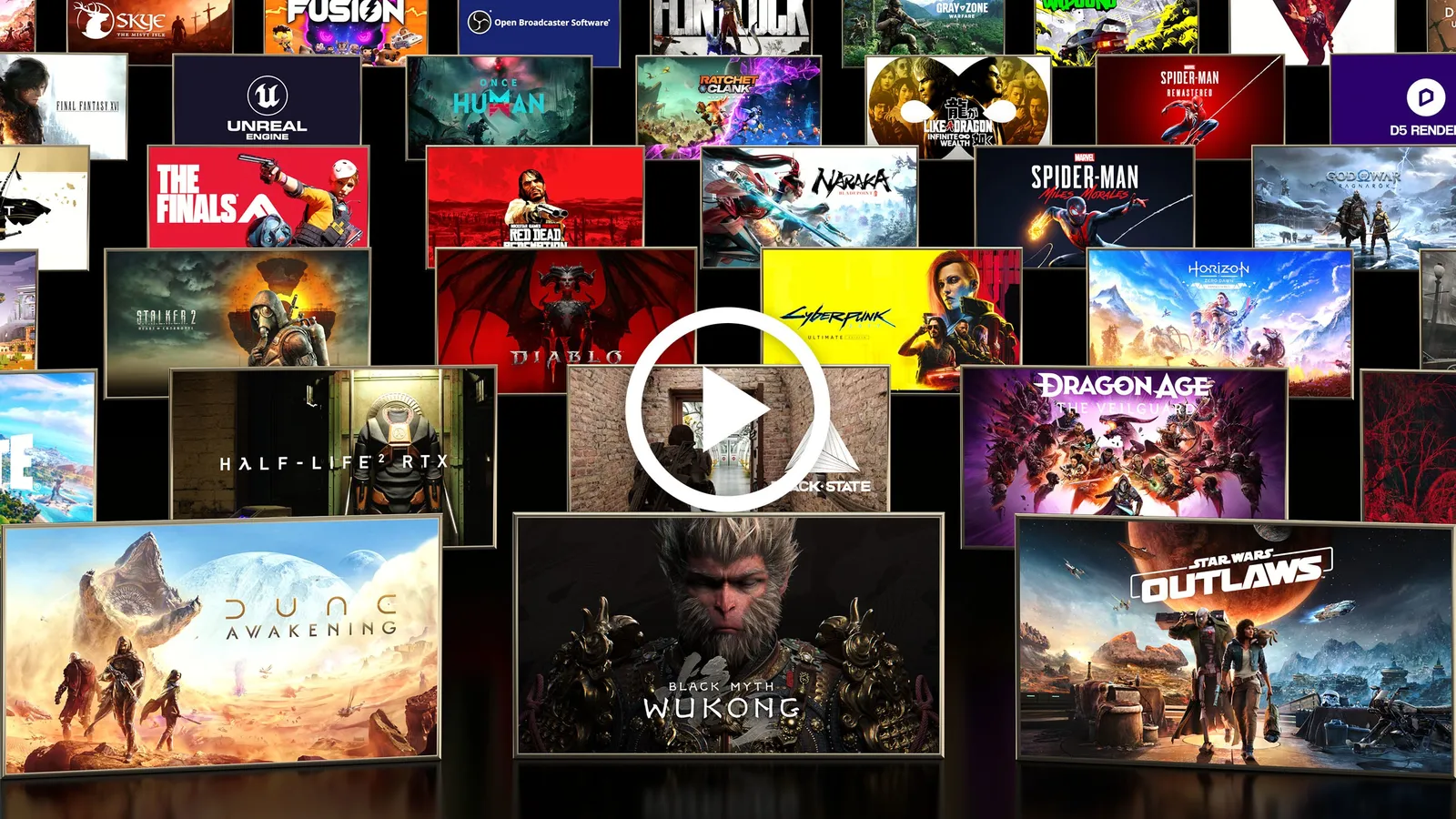
The software stack is where the filing gets specific. Adobe Premiere gains TensorRT-RTX acceleration for Enhance Speech, Object Mask, Scene Edit Detection, and Auto Reframe, with NVIDIA claiming a more than 50% reduction in H.264 video deliverable turnaround. Illustrator and InDesign ship as native Windows on Arm builds, with up to 30% better performance in Illustrator compared to the emulated version, and Blender 5.3 adds DLSS 4.5 Ray Reconstruction in the Cycles viewport. Developers access CUDA and Linux tooling through Windows Subsystem for Linux, and the filing names Hermes Agent, NemoClaw blueprints, Unsloth fine-tuning, and NVIDIA Switchyard as part of the agent-workload stack.
The NVIDIA GeForce RTX page, the deepest document in the packet, does not reference RTX Spark, the Grace CPU, or the 128 GB unified memory figure. It describes the 50 Series as a discrete GPU product line, and the Spark platform exists in the packet only as a single-source vendor announcement relayed through VideoCardz. No second desk, no independent spec sheet, and no teardown appear in the dossier.
The buyer of a Surface RTX Spark Dev Box is constrained by the absence of a price, a configuration tier, and a ship date. The document proves the platform can hold 128 GB and claim 1 petaflop, but it does not prove that the Surface unit will ship at that ceiling or that the 120-billion-parameter workload runs at a usable token rate. What shifts for the fab is that NVIDIA is now routing a Grace-Blackwell SoC into a Windows on Arm desktop chassis, pulling Arm server silicon out of the data center and into a form factor that sits on a desk.
No benchmark, no frame rate, no token-per-second figure, no power draw, and no price appear in any document in the packet. The Surface RTX Spark Dev Box is a name on a list of later arrivals, and the filing does not say what it will cost, what it will weigh, or when a buyer can hold it. The 1 petaflop and the 120-billion-parameter claim remain vendor-stated figures with no independent measurement behind them.
The buyer cannot verify the 1 petaflop or the 120-billion-parameter claim because the document states no precision, no model, and no token rate. The architectural shift is that NVIDIA is routing a Grace-Blackwell SoC into a consumer-adjacent desktop chassis, which changes the thermal and power assumptions for Arm server silicon.
No price, no TDP, no GPU SKU, no clock speed, no benchmark, and no token-per-second figure appear in any document in the packet.
The 1 petaflop peak lacks a precision qualifier (FP4, FP8, sparsity) and the 120B-parameter LLM claim lacks a model name, quantization, and context window, so neither figure is testable from the document. The Grace-Blackwell SoC in a Windows on Arm desktop moves Arm server silicon into a form factor with different thermal and power budgets than a data-center node.
After nvidia.com. We did not report this. The pictures, if any, are theirs.