Apple opens a 200,000-participant health AI study on iPhone 15 Pro
Apple's Health AI Usage Study opens November 15, 2026, pairing OpenEvidence's clinical answers with up to 200,000 iPhone 15 Pro users in the United States.
| Apple Health AI Usage Study | |
|---|---|
| Participants | up to 200,000 |
| Age | 21 and older |
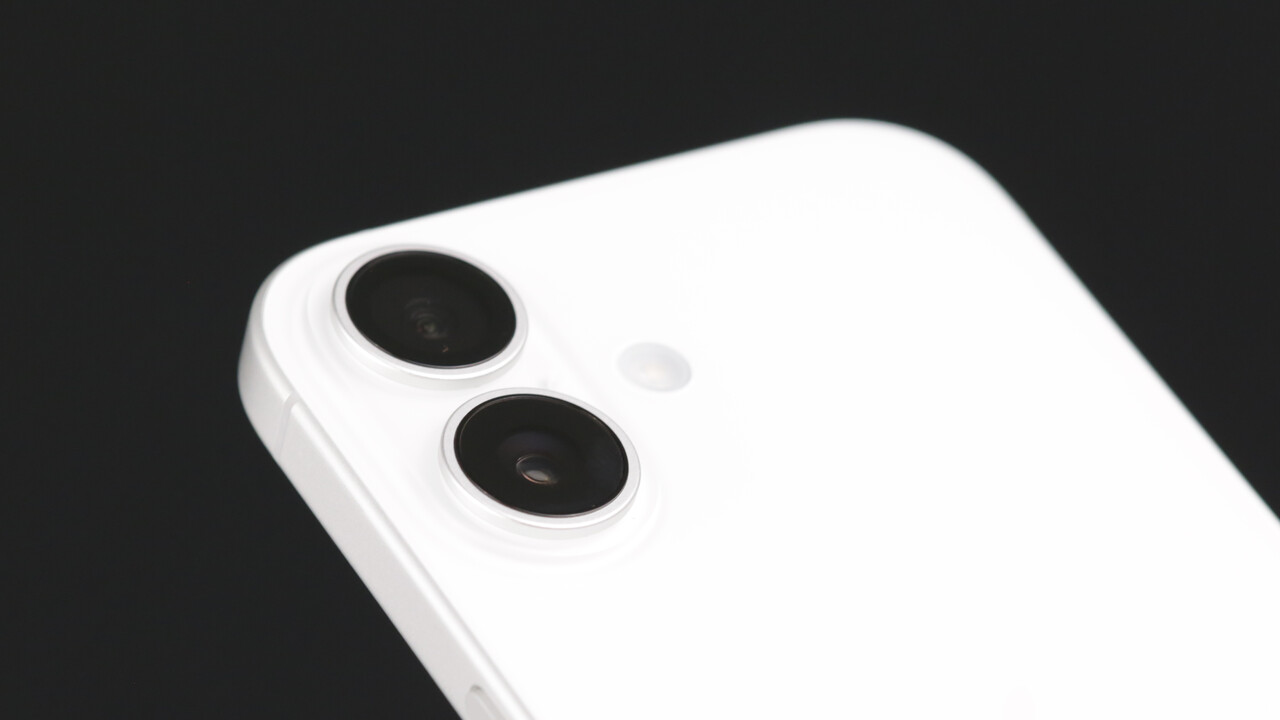
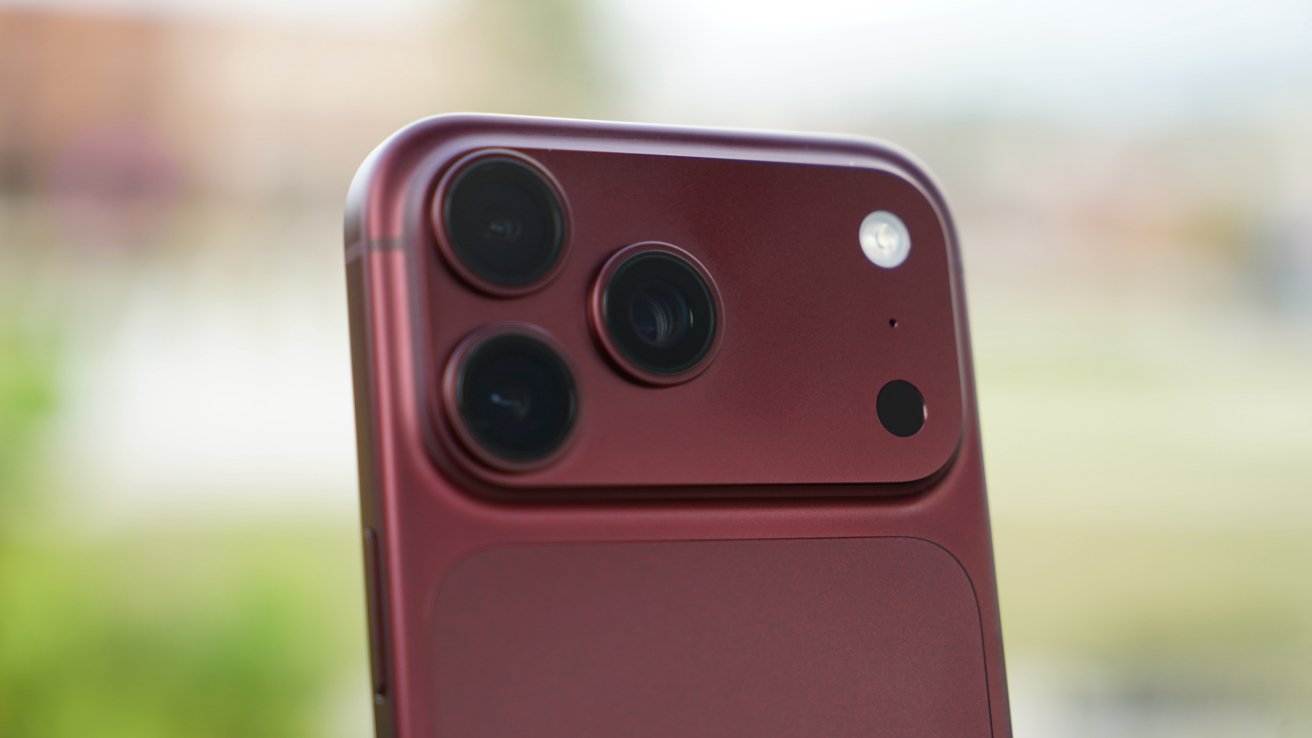
| Device | iPhone 15 Pro or later |
| OS | iOS 26 or later |
| Launch date | November 15, 2026 |
| Data use | Not used to train AI models |
November 15, 2026, Apple Newsroom. The Apple Health AI Usage Study launches in the United States as a virtual research study and associated app, conducted in collaboration with OpenEvidence, a clinical AI platform widely used by healthcare professionals. OpenEvidence generates answers using medical information from The New England Journal of Medicine, the Journal of the American Medical Association, and Nature. The study is open to up to 200,000 eligible participants age 21 and older, each required to have an Apple Intelligence-enabled iPhone 15 Pro or later running iOS 26 or later.
The table gives entry requirements and scale. It does not give a protocol. The document names four broad domains the study will examine — user trust, quality of responses, comprehension, and everyday health actions — but specifies no measurement instrument, no scoring scale, no session cadence, and no end date. The safety guardrails in the study app are described as "intended to detect certain concerning questions and suggest that a participant follow up with a provider," yet the document does not list which questions trigger that response. Participants can choose to share HealthKit data types including resting heart rate, activity, sleep, or lab results, but the document does not say how those data points feed into the study's analysis.
The clause that study data will not be used to train AI models is the load-bearing constraint in this document. Apple is building a telemetry loop that deliberately does not close back into the model. The study measures user behavior against a fixed OpenEvidence retrieval stack, not against a model that improves from the study's own output. For the participant, the privacy promise is real but narrow: it blocks training use, not Apple's internal product decisions informed by the same behavioral data. The study app is explicitly not meant to diagnose or treat any condition, which makes the guardrails a floor rather than a ceiling.
The OpenEvidence partnership is the architectural choice that shapes the rest of the document. Answers are grounded in linked, peer-reviewed clinical citations from three journals. That is a retrieval-and-reformulate architecture, not open generation. The iPhone 15 Pro requirement means Apple Intelligence is the gate, which filters the study population to people who already opted into on-device AI processing. Sumbul Desai, Apple's vice president of Health and Fitness, frames the study as a way to understand how people engage with and evaluate health AI in everyday life. Wachter, UCSF's professor and chair of the Department of Medicine, frames it as a bridge between patient-side and clinician-side tools that are currently "being built and tested in separate worlds."
No duration. No publication venue. No number of questions per session or sessions per week. The document announces a launch, not a protocol, and the missing figures will matter once Apple publishes the measurement design.
The no-training clause makes this a fixed-model telemetry study, not a feedback loop. Apple measures behavior against a static retrieval stack while keeping the data out of the model, which constrains what the study can actually change.
The document states no study duration, no publication venue, no budget, and no specific measurement instruments for the four named domains.
The study is a one-way measurement: user behavior is logged against a fixed OpenEvidence retrieval architecture grounded in three journals. The no-training clause means the model does not update from study output, so the study measures drift in user trust and comprehension, not model improvement. The iPhone 15 Pro gate filters the population to Apple Intelligence opt-ins, which biases the sample toward users already comfortable with on-device AI.
After apple.com. We did not report this. The pictures, if any, are theirs. Also filed by 9to5Mac, MacRumors, AppleInsider, apple.com.