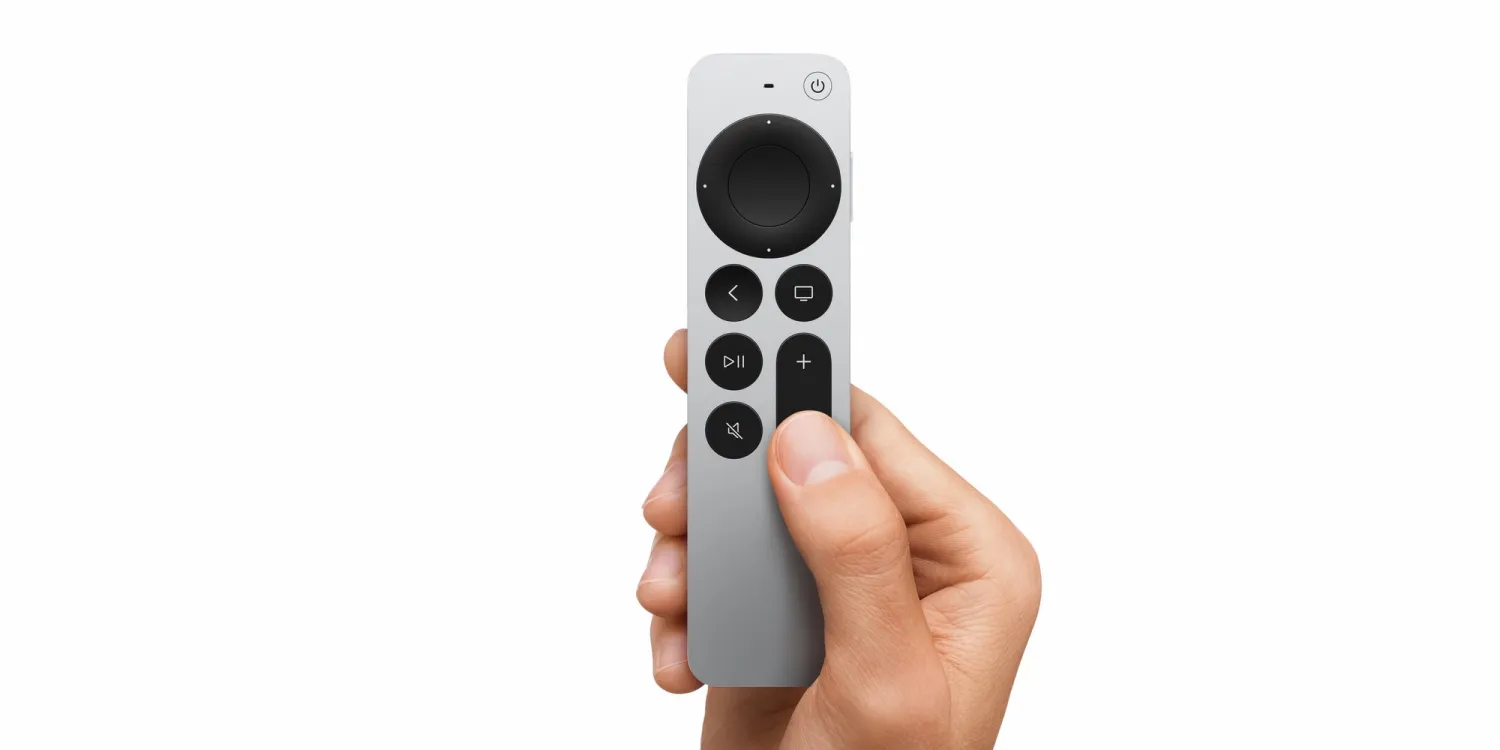
Apple TV 4K (2026) isolates ambient-sensing data in a Secure Exclave
Three far-field microphones on the Apple TV 4K (2026) feed a Secure Exclave that the operating system, apps, and Apple itself cannot read.
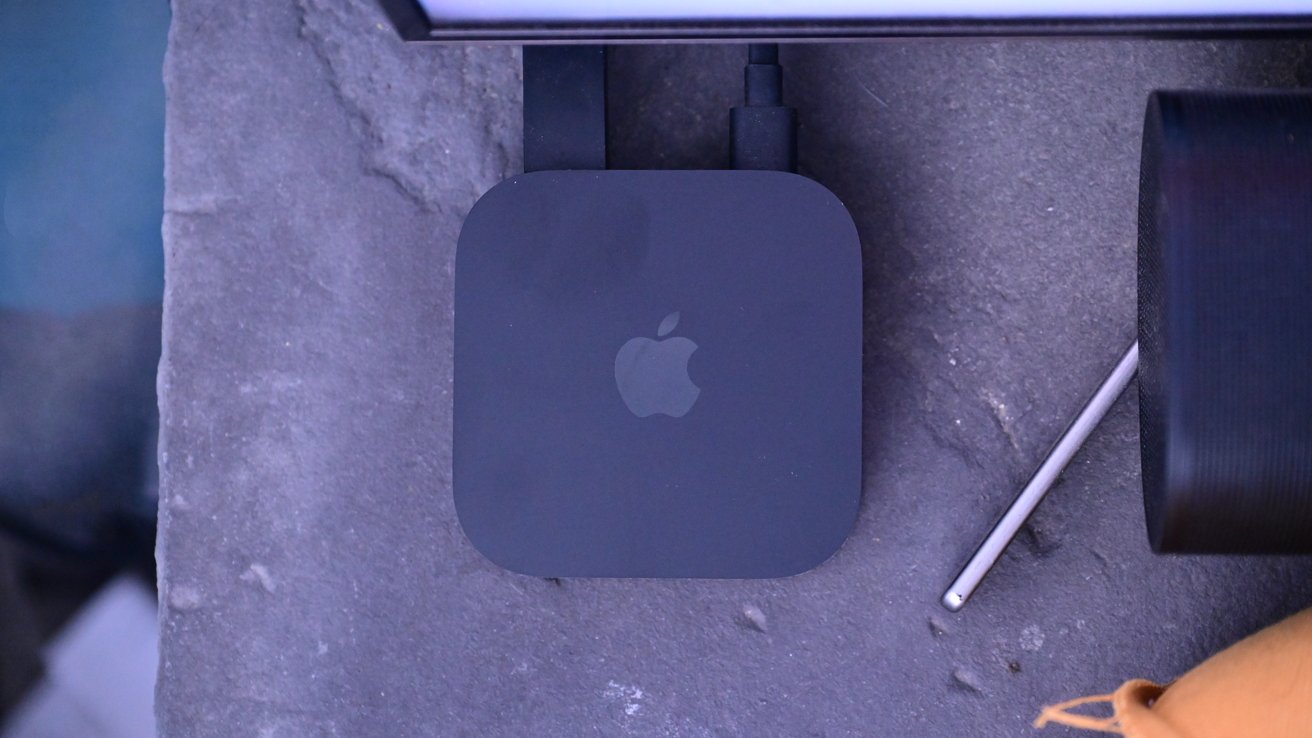
| Apple TV 4K (2026) | |
|---|---|
| Chip | A19 |
| Memory | 8 GB |
| Storage | 128 GB |
| Wi-Fi | Wi-Fi 7 |
| Bluetooth | Bluetooth 6 |
| Thread | Thread 1.4 |
| Microphones | 3 far-field |
| AV1 | native decode |
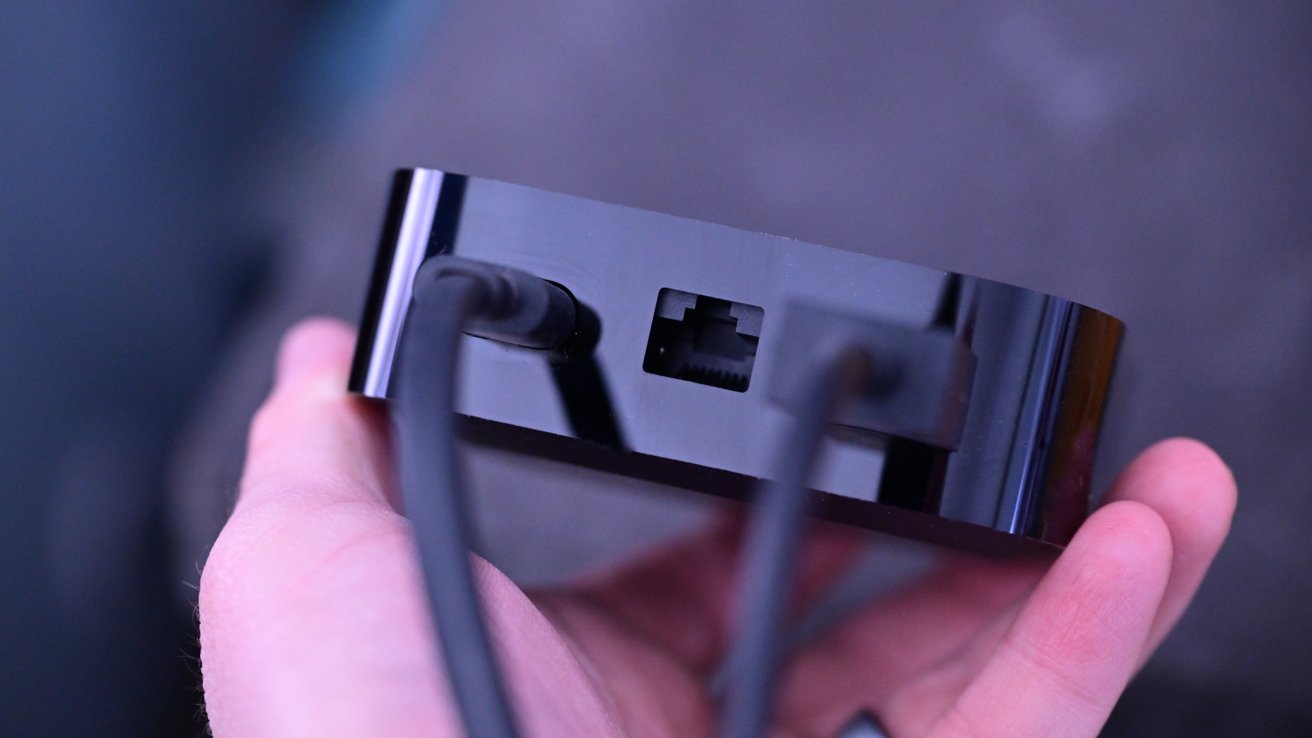
The AppleInsider review lists the puck's hardware: an A19 chip, 8 GB of memory, 128 GB of storage, Wi-Fi 7, Bluetooth 6, and Thread 1.4. Three far-field microphones sit on the device—one front, one left, one right.
The Secure Exclaves page on Apple's Security Research Blog describes the isolation layer. Data processed inside the Exclave cannot be reached by the main operating system, by apps, or by Apple. HomeView, the ambient-sensing feature, recognizes up to six people through that protected runtime.
The page names iPhone 18 Pro, iPhone 18 Pro Max, iPhone Duo, MacBook Neo, and HomeView as the products whose indicators the Exclave governs. The mechanism is compartmentalization: sensor feeds enter a runtime that sits outside the main OS.
No latency figure, no power draw, no throughput number for the Exclave runtime appears on the page. The A19's claimed 50 percent performance gain over the A15 is a chip-level number, not an Exclave-level one.
The document does not state which Apple silicon chip hosts the Secure Exclave on the Apple TV 4K (2026). It does not confirm whether the three far-field microphones route through the same Exclave path as the camera sensors on iPhone 18 Pro or MacBook Neo. The retail price of the hardware is absent from every page in this packet.
The story's tension is between a consumer puck with always-listening mics and an architectural guarantee that has no measurable spec behind it. Apple promises a boundary; the integrator gets no latency, power, or throughput figure to verify against. The A19 performance claim is chip-level, not Exclave-level, so it does not close that gap. Lead with the hardware the buyer holds, then the isolation the document claims, then the absence of numbers that would let anyone test the claim.
After security.apple.com. We did not report this. The pictures, if any, are theirs. Also filed by AppleInsider, 9to5Mac, MacRumors.