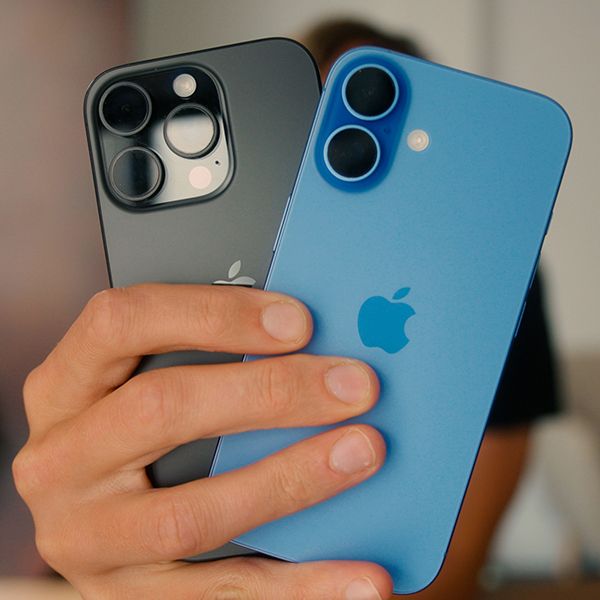
Apple staggered iPhone 18 launch on samsung sensor ramp
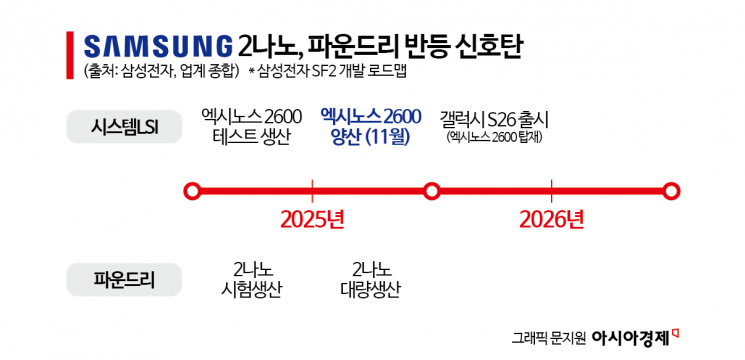
Apple pushed the iPhone 18 base model to early 2027 because Samsung's CMOS sensor mass production slipped from spring to autumn 2026.
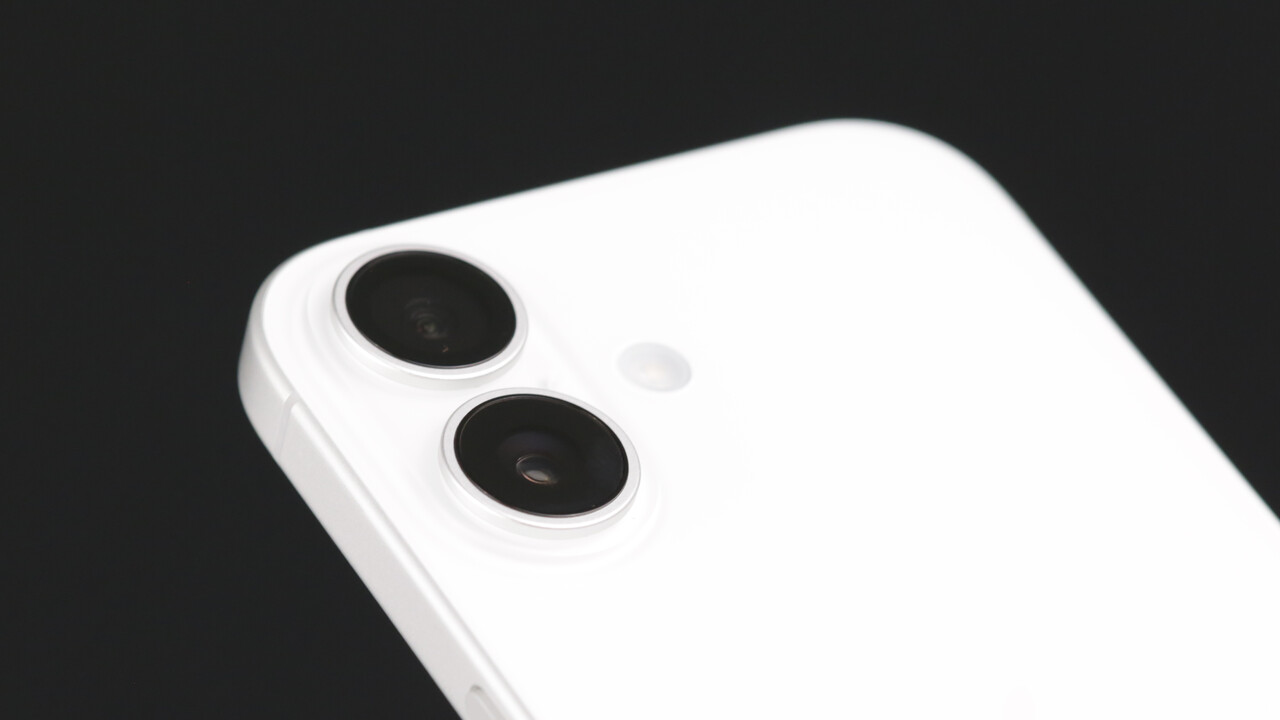
| iPhone 18 base model | |
|---|---|
| sensor suppliers | Samsung, Sony |
| Samsung prototype start | spring 2026 |
| mass production | autumn 2026 |
| Samsung fab location | Texas |
Apple did not present the iPhone 18 at its September event, and the ComputerBase page of 13 November 2026 names the cause: Samsung's CMOS sensor ramp, not memory pricing or component shortages. The base model shifts to early 2027. The iPhone 18 and 18e converge on display and battery but still differ in camera and refresh rate.
The wire frames this as a supply-chain delay, but the document is more precise: Sony's exclusive contract expired in 2026, Apple signed a non-exclusive deal with Samsung in 2025, and Samsung's prototype run in spring 2026 slipped to autumn for mass production. The stagger is a scheduling choice made by Apple, not a shortage imposed on it. Sony continues to supply sensors alongside Samsung.
The desk reads two motives in the Texas placement: a second supplier pressures component costs, and routing sensor production through a Samsung fab in Texas anchors the move to Apple's American Manufacturing Program, under which the company announced $100 billion in US manufacturing investment the prior year. What the document does not prove is whether Samsung's sensors match Sony's in yield or pixel architecture; no resolution, no part number, no fab name appears, and the $100 billion figure is a commitment, not a sensor allocation. The buyer sees a staggered launch; the fab gains a customer with a geographic constraint that Sony does not carry.
No sensor model, no pixel count, no contract volume, no specific Texas fab name, and no exact calendar date for the base-model launch appear in the document. The September-quarter revenue record is stated without a figure, and the page offers no breakdown by product line. The underlying source is the Japanese trade medium Semiconportal, which this desk cannot independently verify.
Apple is buying a second sensor source to pressure component costs and to anchor production in a Texas fab under the AMP. The document proves the scheduling decision but not the sensor's technical parity with Sony.
No sensor resolution, part number, contract volume, specific Texas fab name, or exact launch date appears in the document.
The stagger is a supply-chain scheduling choice, not a demand signal. The Texas fab placement ties sensor production to the AMP commitment, but no yield, resolution, or part-level data is available to assess Samsung's sensor against Sony's.
After computerbase.de. We did not report this. The pictures, if any, are theirs.