4950K drops to 24 cores; 28-Core slot moves to 4970K BFC
The KAD8 table of October 3 cuts the Core Ultra 9 4950K from 28 cores to 24, stripping the LP-E cores and bLLC, and assigns the 28-core flagship slot to the 4970K BFC at 125 W.
| Core Ultra 9 4970K BFC | Core Ultra 9 4950K | Core Ultra 9 4900 BFC | |
|---|---|---|---|
| Cores | 28 (8 P + 16 E + 4 LP-E) | 24 (8 P + 16 E) | 22 |
| bLLC | Yes | No | Yes |
| TDP | 125 W | 65 W | |
| iGPU | 32-EU |
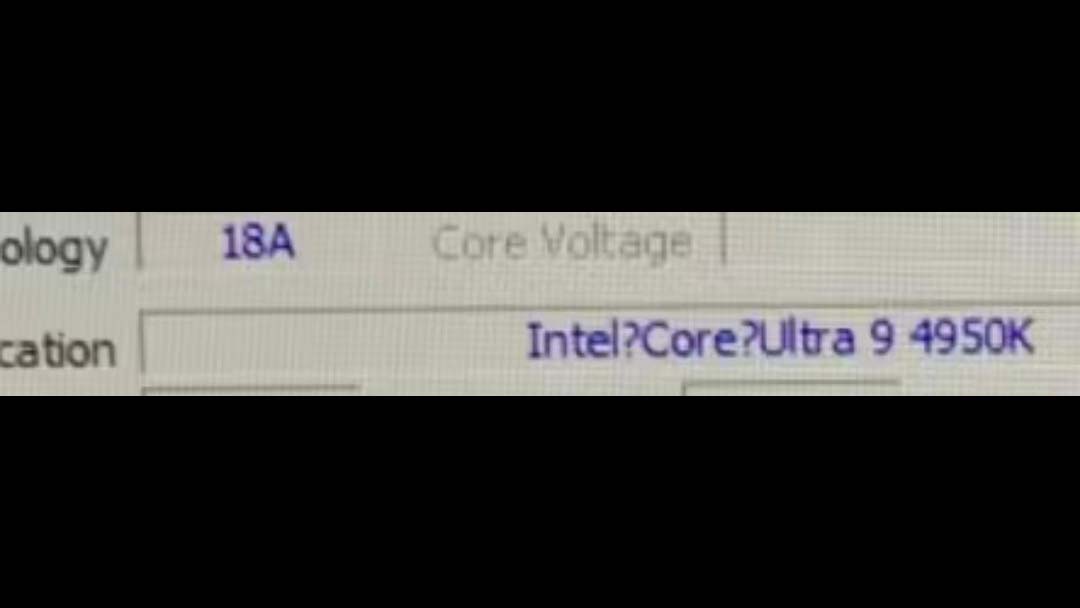
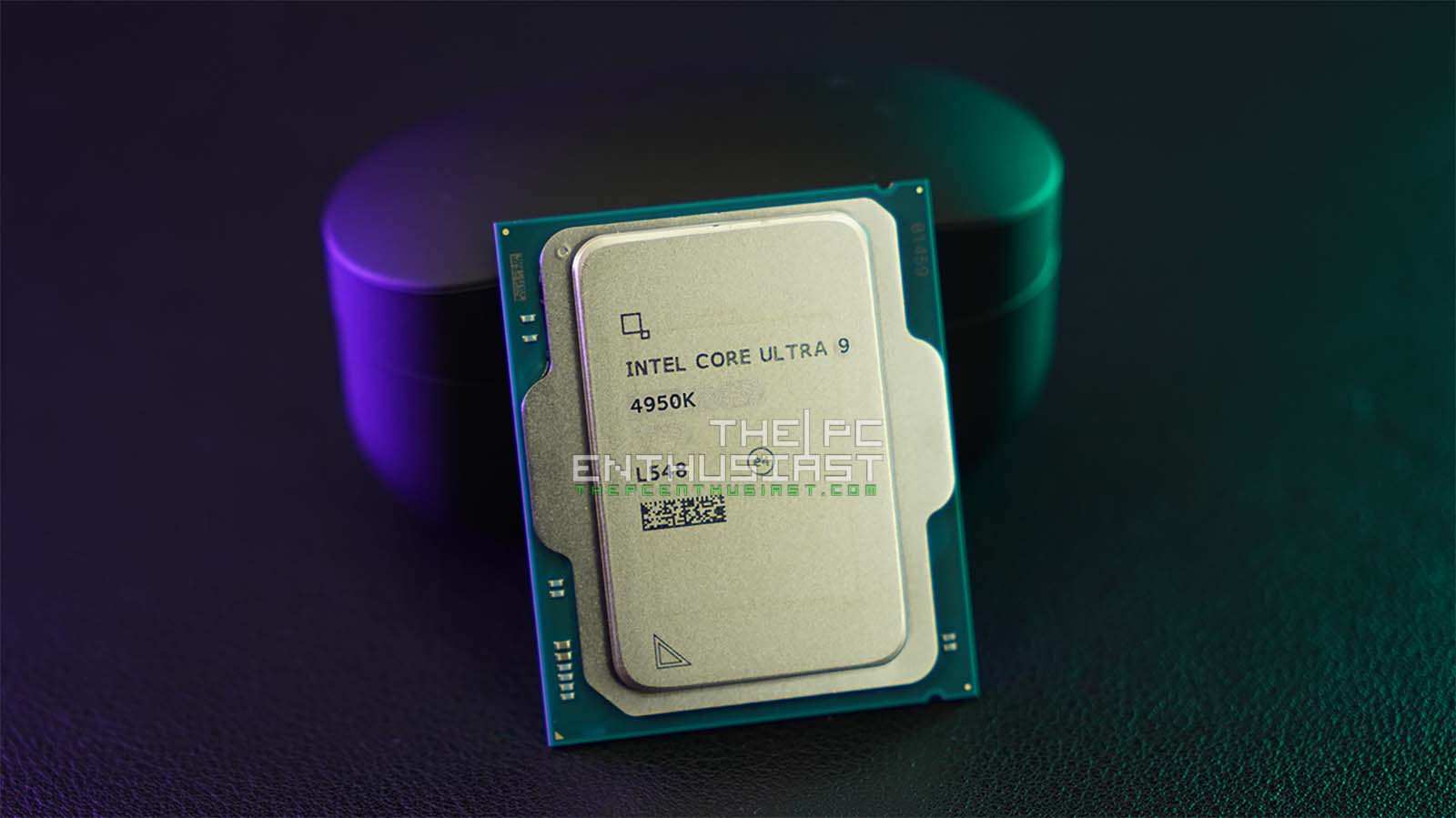
The thepcenthusiast.com page of August 21 carries a CPU-Z capture showing the Core Ultra 9 4950K at 28 cores on a Z990 board. KAD8's October 3 table revises that figure to 24 cores — eight P-cores, sixteen E-cores, no LP-E, no bLLC — and moves the 28-core slot to the 4970K BFC at 125 W.
ThePCEnthusiast's filing reads the 28-core split as eight P plus twenty E-class, with the four LP-E cores nested inside that twenty. The October revision strips those four LP-E cores and the bLLC from the 4950K entirely, which means the August page's core count was correct for the engineering sample but wrong for the SKU as Intel is reportedly segmenting it. The 65 W TDP that handheld.guru attached to the 28-core reading does not survive into the KAD8 table, where the 4950K column reads empty.
The BFC suffix is the real segmentation lever. Three SKUs — 4970K BFC, 4900 BFC, 4870K BFC — carry bLLC; the rest do not. A 24-core chip without large cache sits architecturally closer to the Core Ultra 7 tier than to the 125 W flagship, and the buyer who wanted a 28-core Core Ultra 9 without the BFC premium now has to accept 24 cores or move up.
Intel's CI infrastructure exposed both 24-core and 28-core platforms, so the silicon exists; the question is whether the 4950K ships at 24 or whether the 28-core die gets a different SKU name. No document states the 4950K's boost clock, its base L3 size, its TDP under the revised configuration, or a retail price. The CPU-Z figures of roughly 1,000 single-thread and 20,000 multi-thread come from an early engineering sample with unknown power limits, and Intel has not confirmed the 4950K name itself.
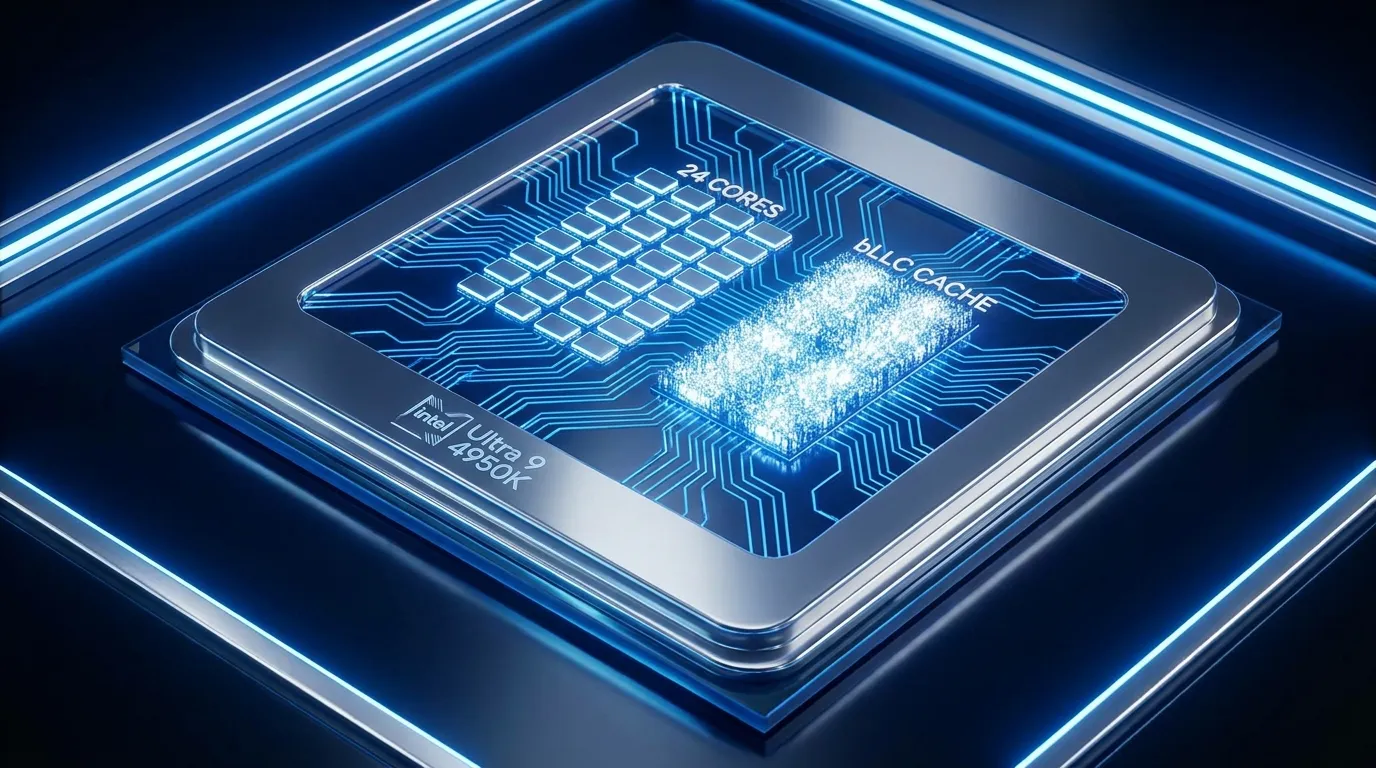
The BFC suffix, not core count, is the segmentation lever: three SKUs carry bLLC and the rest do not, so a 24-core chip without large cache sits closer to the Core Ultra 7 tier than to the 125 W flagship. The buyer who wanted a 28-core Core Ultra 9 without the BFC premium now has to accept 24 cores or move up a tier.
No document states the 4950K's boost clock, base L3 size, TDP under the revised configuration, or retail price.
The 4950K revision removes four LP-E cores and the bLLC, placing it architecturally below the 4970K BFC. The BFC suffix creates a cache-based tier split that constrains the mid-range SKU's competitive position against AMD's 3D V-Cache offerings.
After thepcenthusiast.com. We did not report this. The pictures, if any, are theirs. Also filed by kad8.com, HotHardware.