GPT-6.1 Sol deployed as primary model in CodeRabbit security agent
OpenAI's October 26, 2026 page states GPT-6.1 Sol is the primary model in CodeRabbit's security agent, flagging issues across thousands of repositories and organizations.
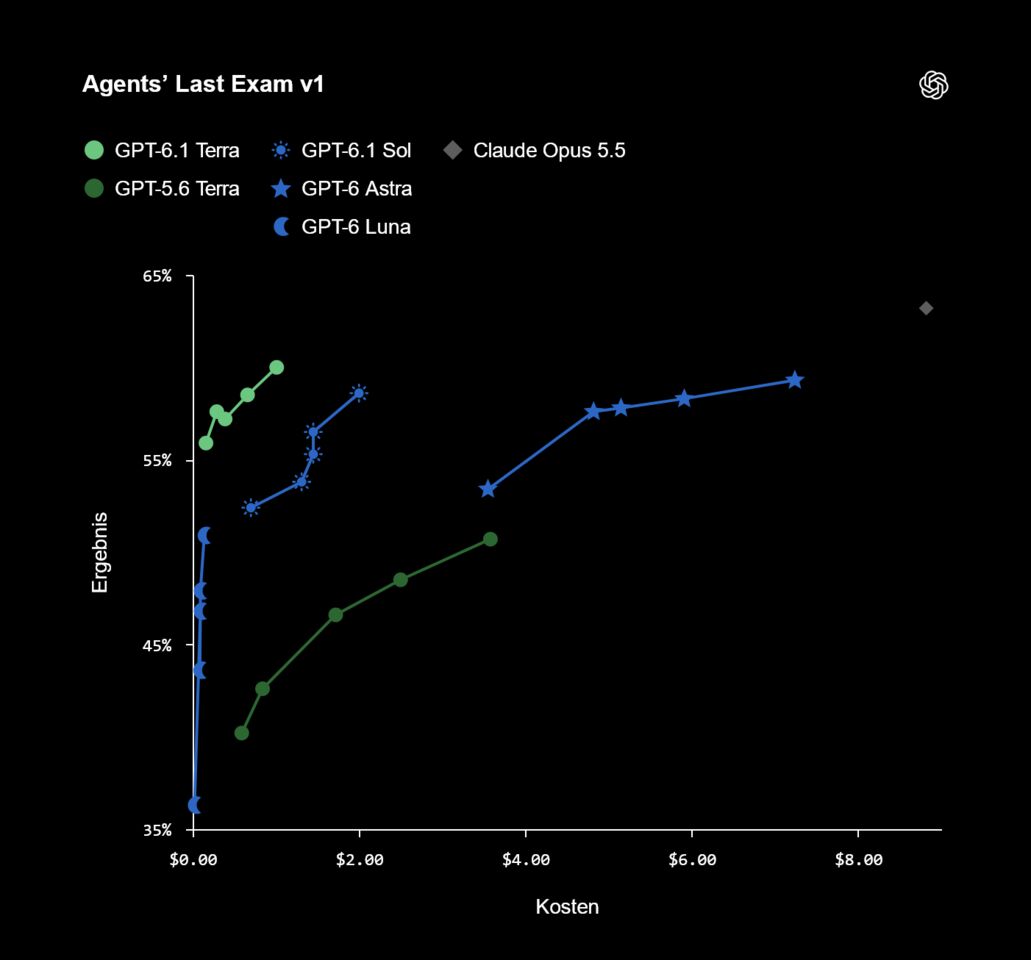
| GPT-6.1 Sol | |
|---|---|
| deployment scale | thousands of repositories and organizations |
| date | October 26, 2026 |
October 26, 2026 is the date stamped on the OpenAI page that pairs GPT-6.1 Sol with CodeRabbit's security agent. The page states the model flags security-related issues across thousands of repositories and organizations. That is the only scale figure printed, and it is the only number the document offers beyond the date itself.
The document reads as a deployment note rather than a model spec. GPT-6.1 Sol is the primary model inside CodeRabbit's review pipeline, but the system also runs other frontier models and security tooling alongside it. In Deep Scan, Sol extends investigation across dependencies and how components interact within a repository. CodeRabbit Secure pushes that investigation into linked repositories, such as a shared authentication library, to trace how a weakness in one component propagates to the wider system. The review is independent of the agent that wrote the code, which the page states as a design principle rather than a performance claim.
For user-selected findings, the system can attempt exploit verification in an isolated sandbox without testing production systems. For supported issues, it drafts a pull request with a proposed fix for a person to review and approve. Human reviewers remain responsible for deciding which changes to ship. OpenAI frames this as frontier reasoning supporting software security, but the mechanism is a triage layer, not an autonomous patcher. The model proposes; the infrastructure isolates; the person decides.
The constraint here is architectural, not commercial. The sandbox boundary means exploit verification is bounded by isolation, not by the model's capability ceiling. A security team adopting this pipeline is not choosing between two APIs; it is deciding whether a model-assisted triage layer fits between its existing scanners and its human review gate. The page does not state what fraction of findings the model surfaces versus what established scanners already catch, so the incremental value over existing tooling is unquantified. The "thousands of repositories and organizations" figure tells you the deployment is broad, not that the model outperforms a static analyzer on any specific class of vulnerability.
No benchmark number, no per-token price, no context window, no parameter count appears in the document. What the page establishes is that OpenAI is routing a frontier model into a third-party security workflow where the model's output feeds a human approval gate. The model's role is bounded by the sandbox and the approval step, and the document does not measure how often the model's proposed fix is accepted versus rejected.
The page is a deployment note, not a model spec, and the only constraint it reveals is the sandbox boundary around exploit verification. The buyer is a security team deciding whether a model-assisted triage layer fits between its scanners and its human review gate, not a developer choosing between two APIs.
The document does not state a benchmark score, a per-token price, a context window, a parameter count, or the acceptance rate of proposed fixes.
GPT-6.1 Sol sits inside CodeRabbit's pipeline as the primary model, but the system also runs other frontier models and security tooling. The sandbox isolates exploit verification from production, which bounds the model's role regardless of its capability. The human approval gate means the model's output is a proposal, not a commit.
After openai.com. We did not report this. The pictures, if any, are theirs. Also filed by The Decoder, 9to5Mac, ComputerBase.