IPhone duo ships as apple's first foldable phone
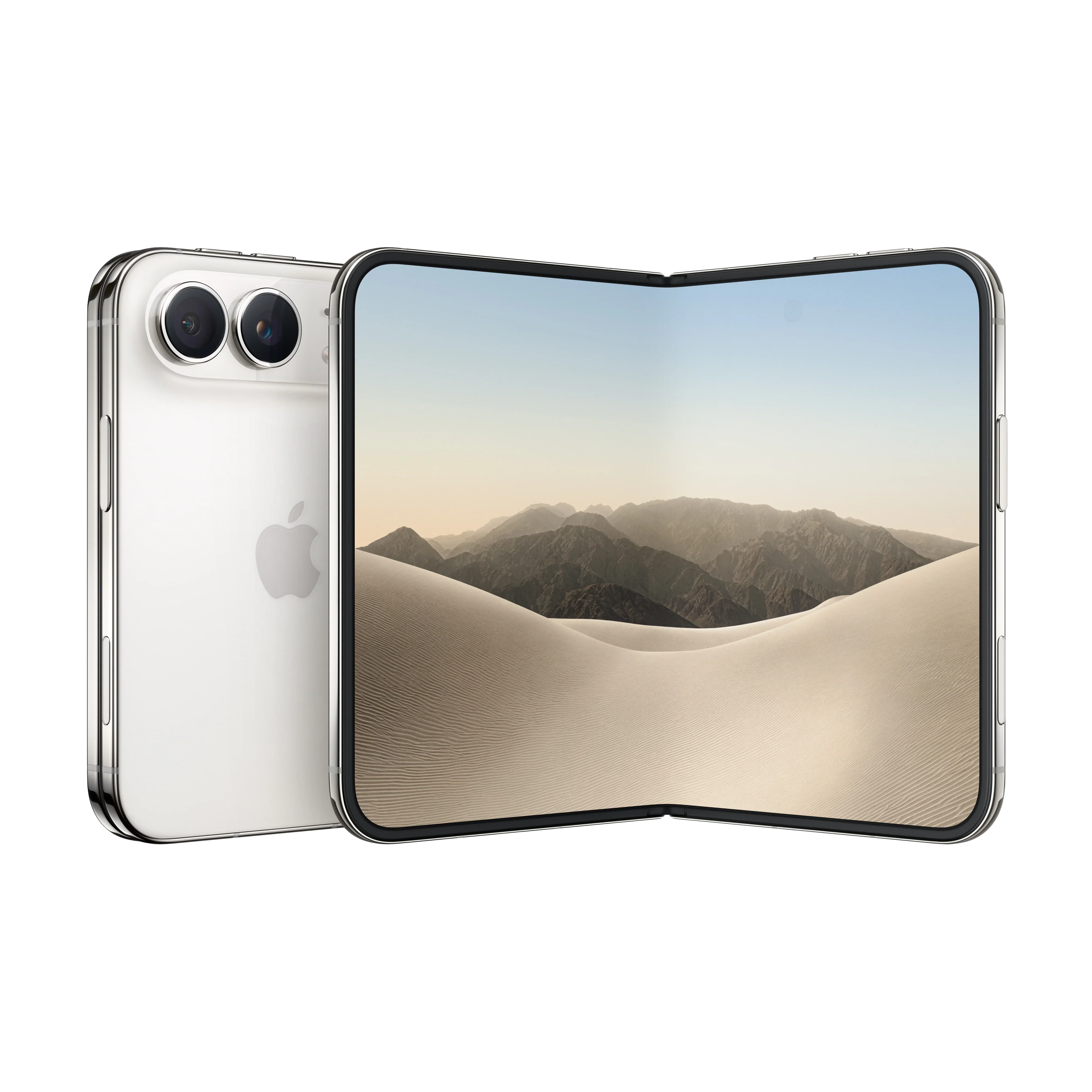
Apple's first foldable iPhone, the iPhone Duo, launches October 23 with a 50 percent larger inner display, A20 Pro silicon, and carrier trade-in discounts up to $1,200.
| iPhone Duo | |
|---|---|
| Type | First foldable iPhone |
| Inner display | 50% larger than iPhone 18 Pro Max |
| Silicon | A20 Pro |
| Launch date | October 23, 2026 |
| Starting price (Norway) | 25,990 kr |
| AT&T trade-in discount | Up to $1,200 |
The Apple Newsroom page dated October 22, 2026, names the iPhone Duo as the first foldable iPhone and states that its inner display is 50 percent larger than the iPhone 18 Pro Max. The silicon is A20 Pro. Launch day is Friday, October 23, 2026.
The 50 percent figure is a relative area claim. It is not a pixel count, not a diagonal measurement, not a brightness reading. The page does not state the inner display's resolution, its refresh rate, or the outer display's dimensions. What the page does give is a single physical detail about the glass: the inner surface carries a nano-texture finish, the same anti-reflective treatment Apple applies to its Pro-tier displays. The outer display is where Netflix members scroll through Clips before continuing playback on the inner screen.
The configuration the starting price buys is not broken down in any document in the packet. Eplehuset, the Norwegian Apple reseller, lists "Ny iPhone Duo Fra 25 990 kr" on its product page, alongside the iPhone 18 Pro at 15,990 kr, the iPhone 18 Pro Max at 17,990 kr, and the iPhone Air at 10,490 kr. No storage tier, no color list, no battery figure, no weight, no camera count, no unfolded or folded dimension appears in the dossier. The Eplehuset page links to a product datasheet, but the dossier does not reproduce that datasheet's contents, and no other page in the packet fills the gap.
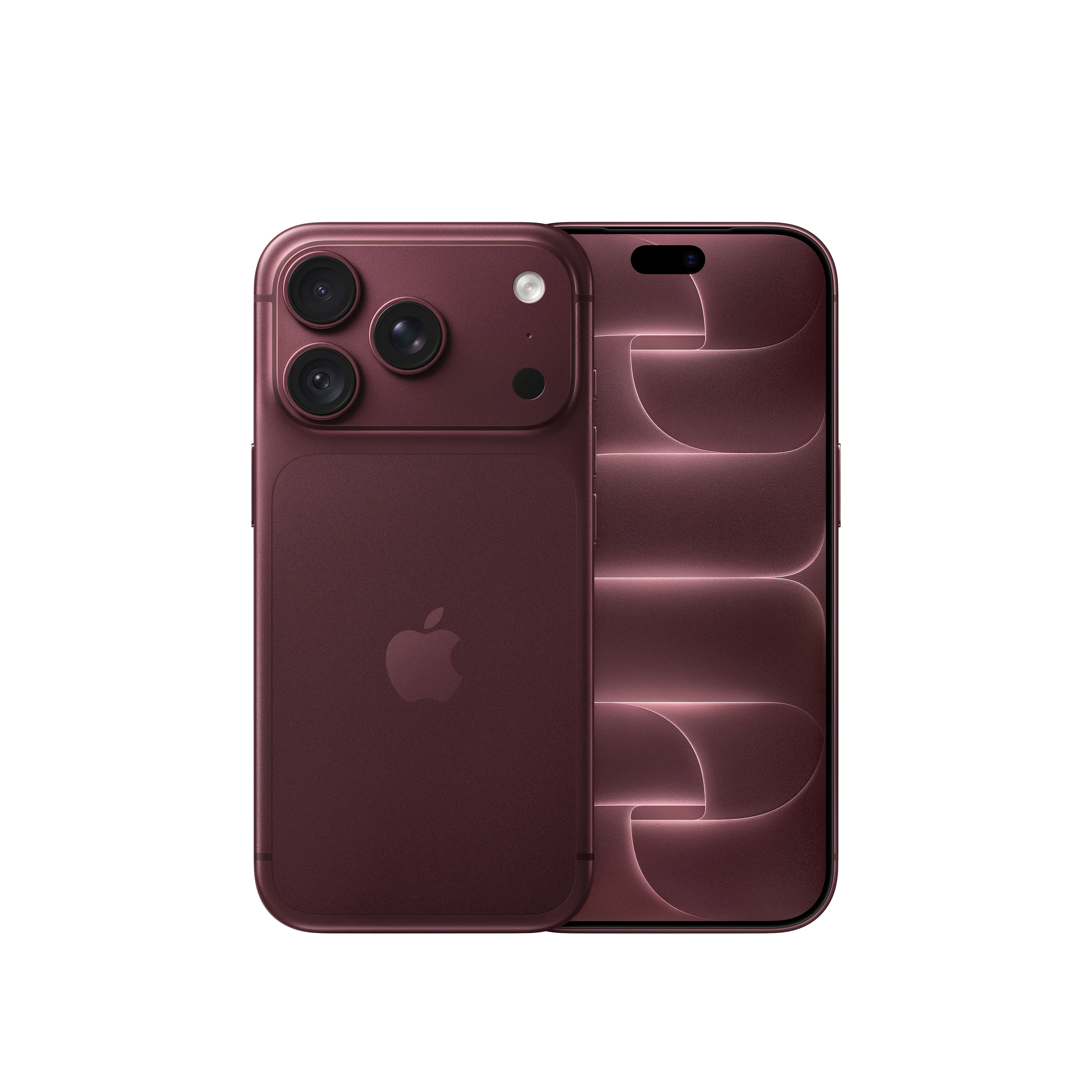
The headline number, 50 percent larger, describes the inner display relative to the iPhone 18 Pro Max. The starting price buys the same phone. The stretch is a form-factor gap rather than a base-versus-Pro configuration gap. The phone folds. The iPhone 18 Pro Max does not. The MacBook Pro, for what it is worth, also does not fold, and its 16-inch M5 Max configuration sits at $3,499 on Amazon with a $900 discount, which is a different category of machine entirely.
On launch day, AT&T offers up to $1,200 off the iPhone Duo with an eligible trade-in on a qualifying plan. T-Mobile offers up to $1,000 off under the same conditions. ZAGG offers 20 percent off an order when the buyer purchases two or more items, including iPhone Duo accessories. These are carrier and accessory discounts, not a reduction in Apple's list price. The MacRumors page that carries these figures is a deals roundup dated October 23, 2026, at 7:43 am PDT, and its own framing is affiliate commerce, not a spec sheet.
The Apple Newsroom page describes the app ecosystem in three moves. Apps optimized for iPhone Duo carry a "Made for iPhone Duo" badge on product pages across the storefront. New editorial collections for iPhone Duo apps and games go live on the App Store on launch day. Split View is supported, which is the mechanism that makes the 50 percent area increase functional rather than merely decorative. The badge is a curation signal, not a performance guarantee.
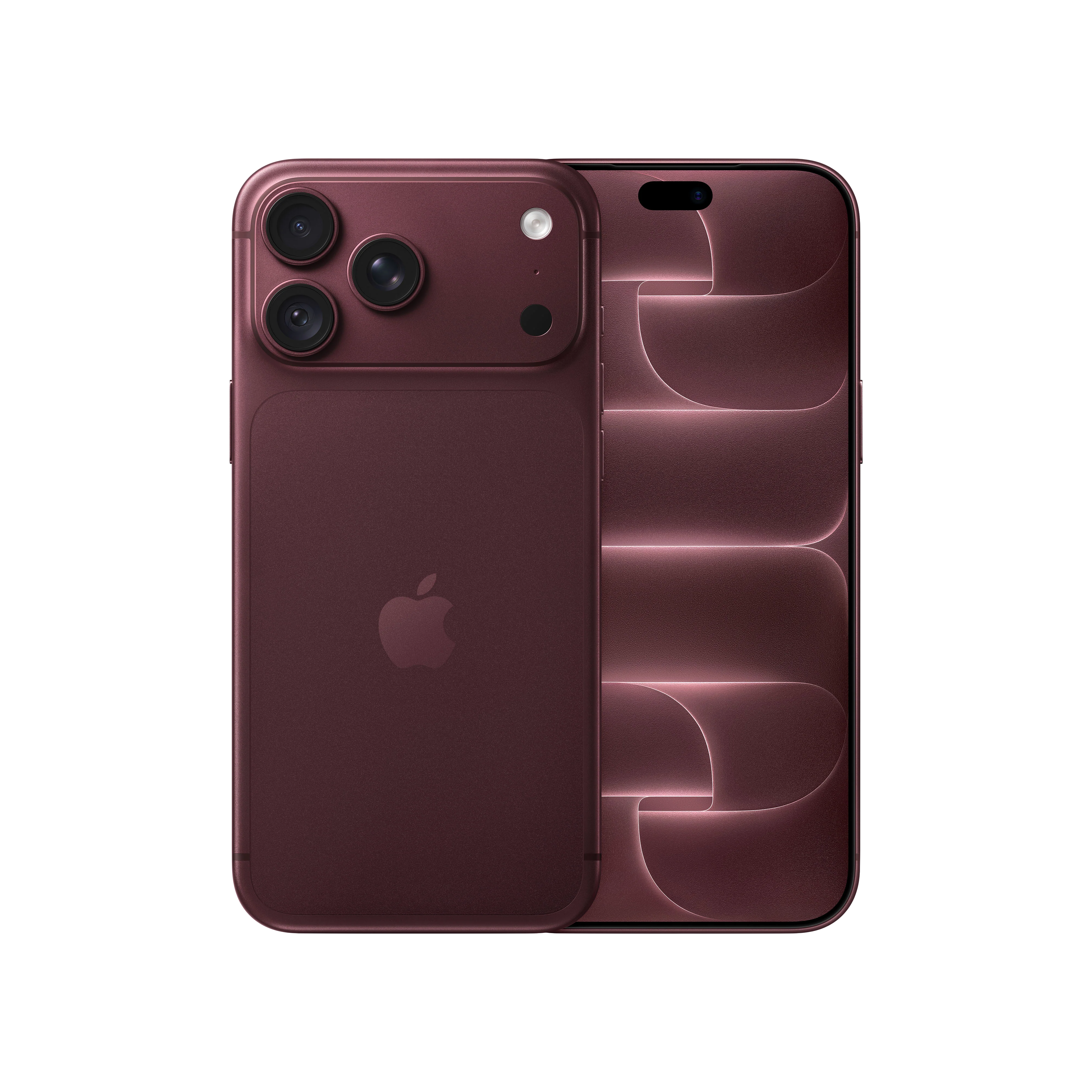
The MacRumors page leads with the carrier discounts and lists the ZAGG accessory offer. It does not state a USD base price for the iPhone Duo. The Apple Newsroom page, which is the primary document, does not state a price at all. It states the form factor, the silicon, the display relationship, and the app ecosystem. The gap between what the vendor page says and what the deals page says is the gap between a product announcement and a retail event, and neither page fills the other's silence.
The buyer who walks into a carrier store on October 23 with a trade-in device gets a number between $1,200 and $1,000 off, depending on the carrier. The buyer who does not trade in gets no stated discount from Apple's own page. The document does not prove that the 50 percent area increase translates to a usable Split View layout at any specific app resolution, because no resolution is stated. The nano-texture finish on the inner display is the same treatment Apple applies to Pro-tier glass, which suggests the inner panel is the primary viewing surface, but the page does not say whether the outer display is also nano-textured. The constraint falls on the buyer who wants to know what the phone weighs, how long the battery lasts, or what the camera system looks like before walking into a store. None of those figures are in the packet.
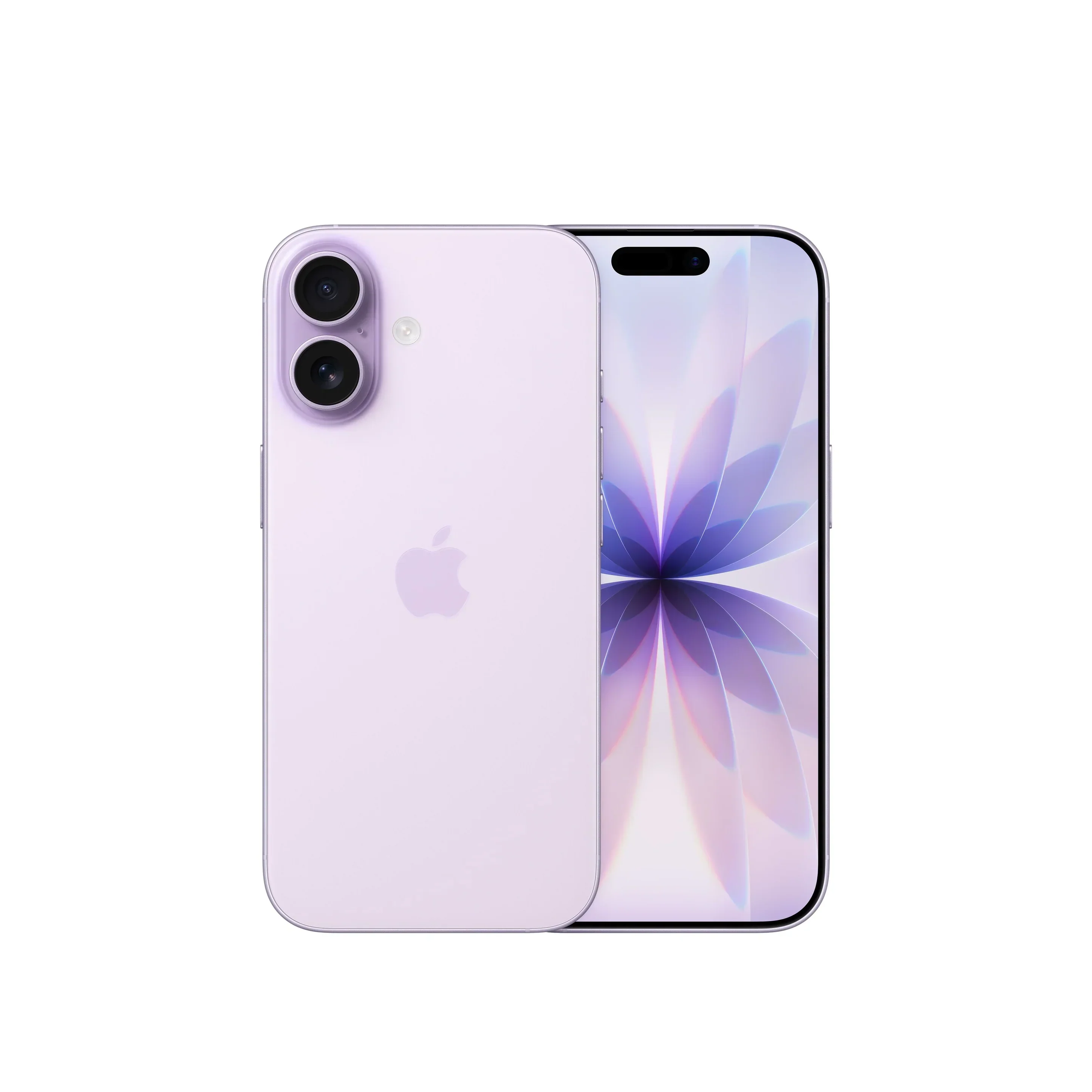
The USD base price, battery life, weight, dimensions, storage options, and camera specifications are not in any document in the packet. The Eplehuset price of 25,990 kr is a Norwegian retail starting price, not a USD list price, and the dossier does not convert it. The inner display's resolution, the outer display's size, and the hinge mechanism are not stated. What the buyer still cannot know is whether the 50 percent area increase is enough to make Split View a daily workflow or a novelty, because the page that makes the claim does not state the resolution at which that workflow runs.
The carrier discounts are the only price signal in the packet, and they are conditional on a trade-in, which means the effective launch price for a buyer without a trade-in device is unstated. The 50 percent area claim is real but unanchored: without a resolution figure, the buyer cannot verify whether Split View at that area is a workflow or a demo.
The USD base price, battery life, weight, dimensions, storage options, and camera specifications are not stated in any document in the packet.
The primary document states form factor, silicon, and a relative display-area ratio. It does not state absolute display dimensions, resolution, battery, weight, storage, or camera specs. The carrier discounts are conditional on trade-in and plan eligibility, so they are not a list-price reduction. The Eplehuset figure is a Norwegian retail starting price in NOK, not a USD list price. The buyer's information gap is total on the hardware spec sheet.
After apple.com. We did not report this. The pictures, if any, are theirs. Also filed by MacRumors, AppleInsider, 9to5Mac, The Verge AI.