Kumo Relational shifts benchmark risk to buyers
Kumo Relational is presented as a one-forward-pass predictor for churn, demand, or fraud, while the Hugging Face page omits the operational details that would let a buyer check it outside vendor-selected benchmarks.
| Kumo Relational | |
|---|---|
| context examples | up to 10,000 historical examples |
| tasks | 41 |
| databases | 15 |
| SAP SALT MRR vs AutoGluon | 8% |
| scale | 500B+ rows |
| RelBench V1 AUROC vs GBT | nearly 4 AUROC points |
| SAP SALT MRR vs XGBoost | 7 MRR points out of the box; 13 MRR points after fine-tuning |
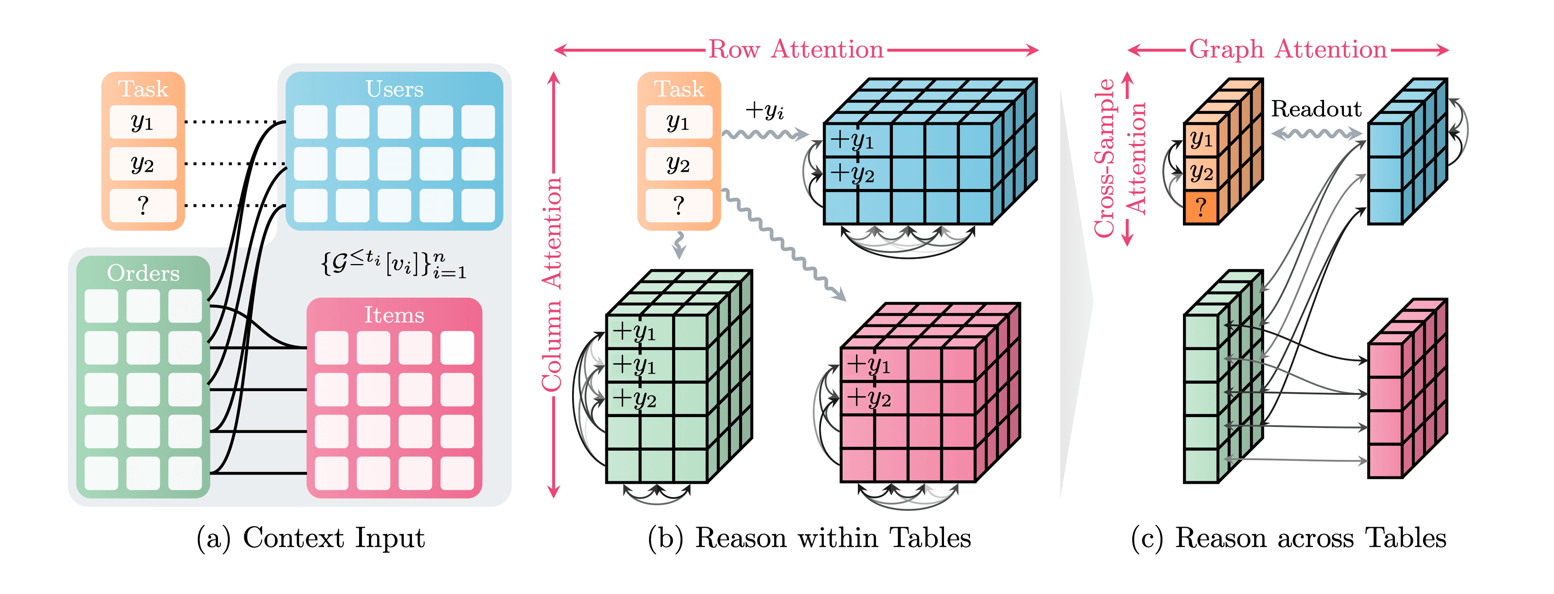
The page says the model uses up to 10,000 historical examples as context and skips task-specific training, feature engineering, and table flattening.
The reported wins cover 41 tasks on 15 databases. They beat supervised relational deep learning and expert-engineered gradient-boosted tree pipelines.
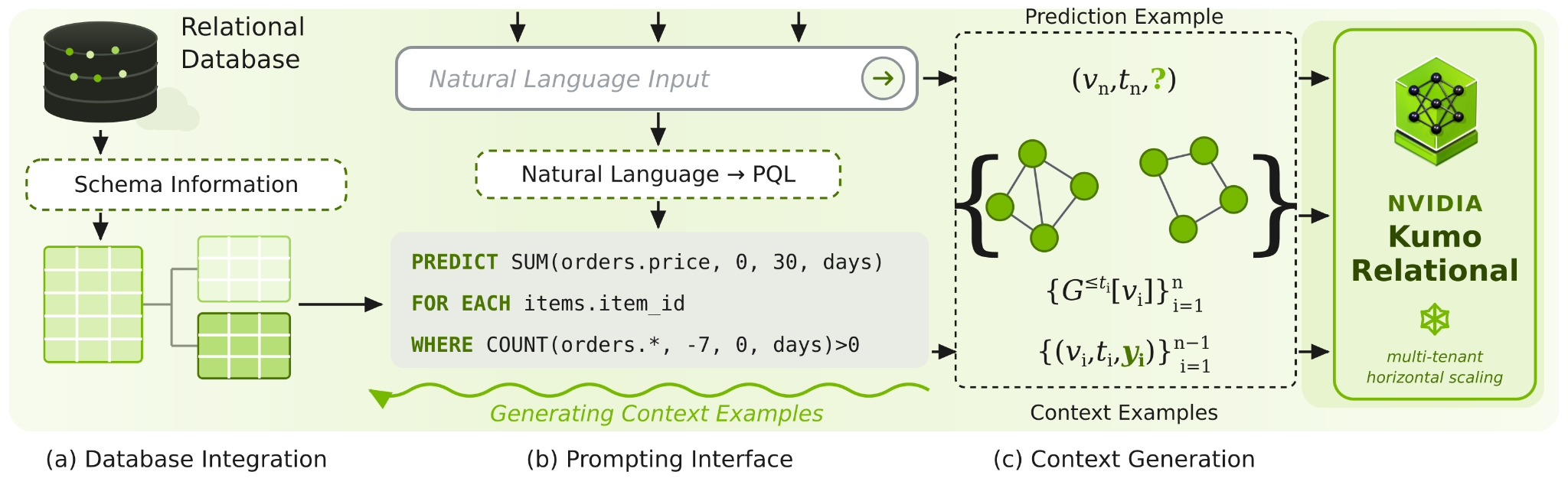
In SAP SALT, AutoGluon ensembles fall 8% behind in mean reciprocal rank. XGBoost on engineered features lags by 7 MRR points out of the box and by 13 after fine-tuning.
In RelBench V1 classification tasks, gradient-boosted trees sit nearly 4 AUROC points below on average. The packet has no figure of the model, and its two images are a robot and a pump.
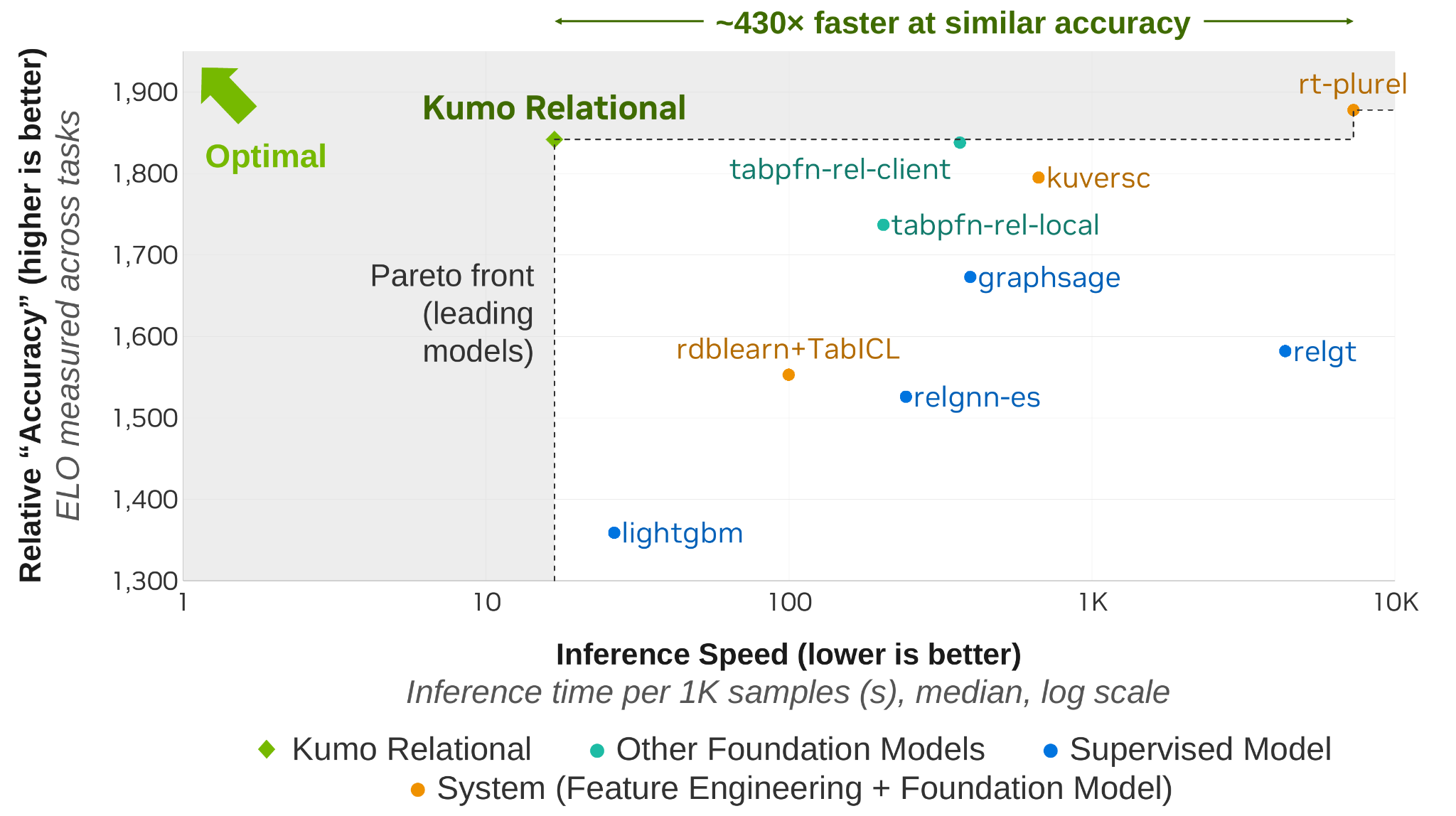
The document leaves out parameter count, training compute, license, latency, cost per prediction, and the full names of the databases and benchmarks. Per-benchmark MRR and AUROC values are also missing.
The buyer must trust the task list, the baseline list, and a preprint that arXiv does not peer-review. The page supports a strong vendor claim, not a production replacement for every XGBoost pipeline.
The missing operational numbers and vendor-selected benchmarks put the verification burden on the buyer.
After arxiv.org. We did not report this. The pictures, if any, are theirs.