Ryzen AI Halo's shared memory pool changes local AI limits
Shared LPDDR5x memory leads the Ryzen AI Halo launch page, not a benchmark chart.

| AMD Ryzen AI Max+ PRO 495 | |
|---|---|
| CPU cores | up to 16 Zen 5 |
| GPU compute units | 40 RDNA 3.5 |
| NPU | up to 55 TOPS |
| Unified memory | up to 192GB LPDDR5x |
| GPU VRAM | up to 160GB |
| Model support | 300-billion-parameter at 4-bit quantization |
| Availability | Order today from Micro Center |
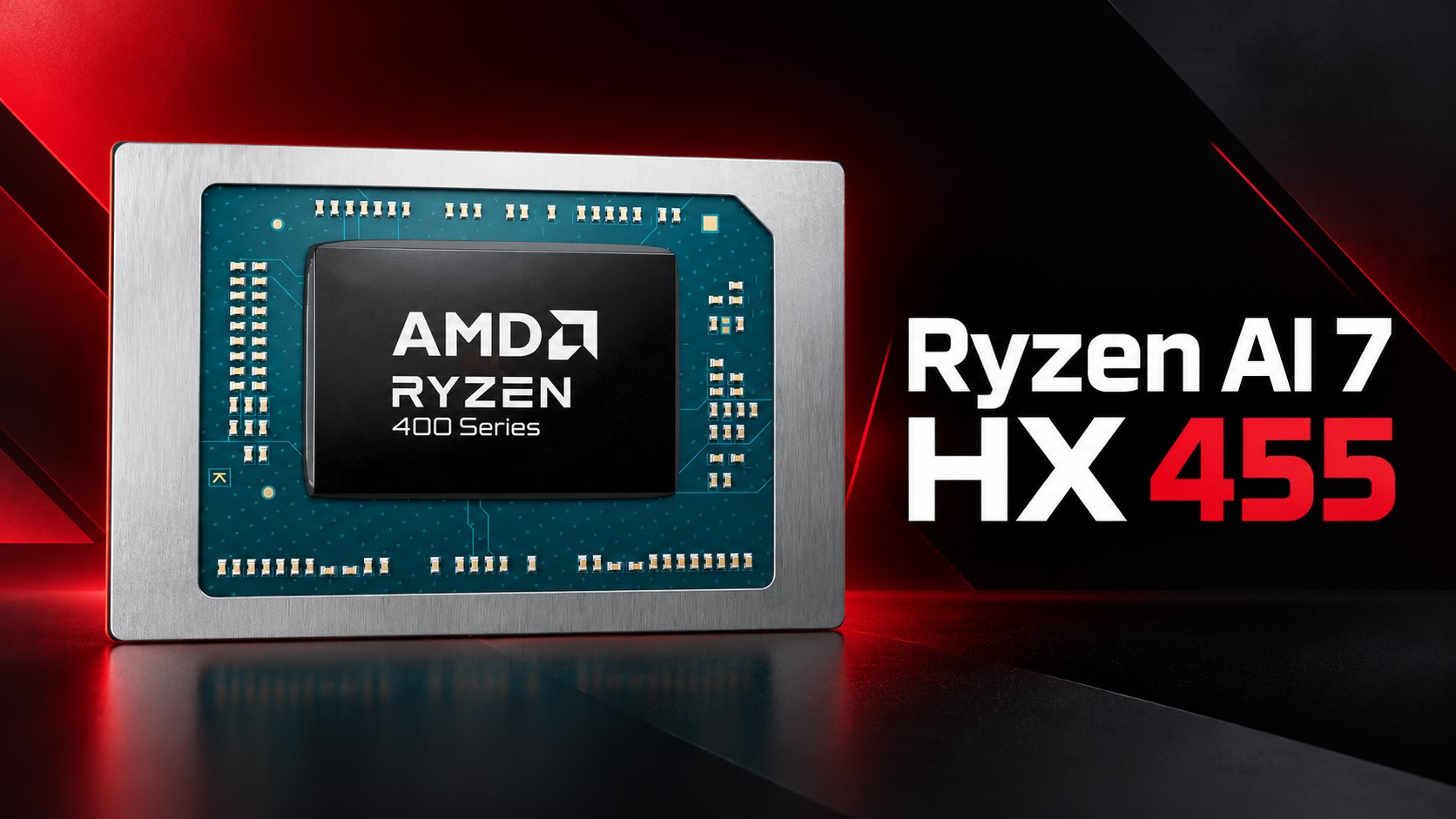
The platform pairs the Ryzen AI Max+ PRO 495 with up to 192GB of unified memory for local 300-billion-parameter models.
It lists 16 Zen 5 cores, 40 RDNA 3.5 compute units, and up to 55 TOPS from the NPU under one x86 Windows stack.
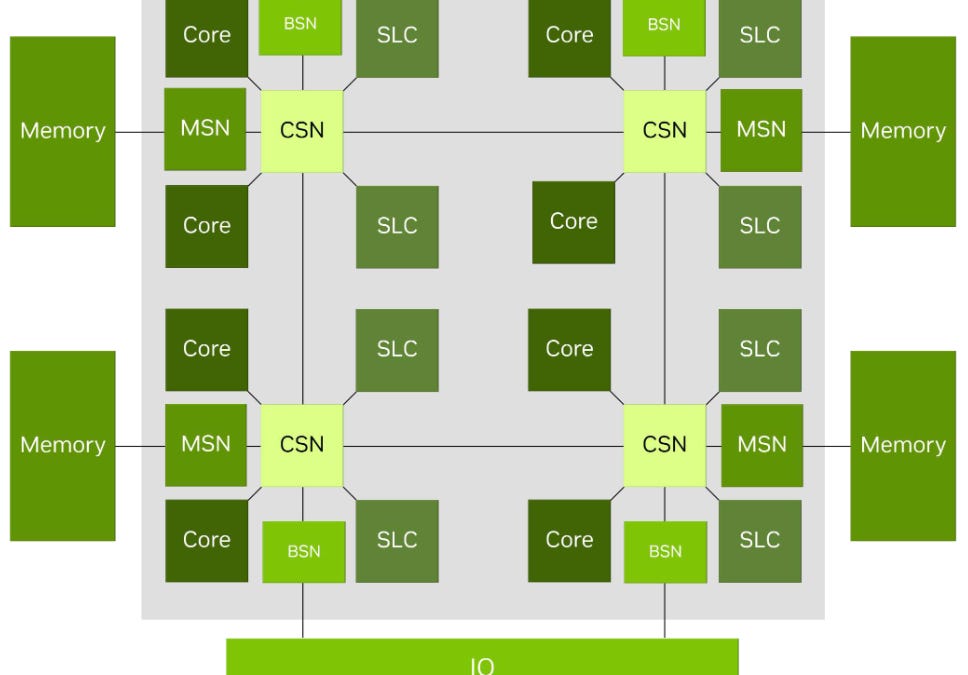
CPU, GPU, and NPU draw from one LPDDR5x bank, which is the architectural point.
Up to 160GB can be allocated to the GPU as VRAM, giving room for models, datasets, and active context.
A single address space lets a 300-billion-parameter model at 4-bit quantization stay local, with room for discrete KV caches.
That shifts the buyer's math toward fewer cloud calls and more local control.
Price, power draw, and independent benchmarks are absent from the packet.
Vendor throughput claims compare against Intel and Apple systems, but some Apple results are left out.
Until third-party tests measure tokens per second, latency, sustained draw, and price, the 192GB figure remains a capacity claim.
The memory pool is the story; throughput and price remain untested.
After amd.com. We did not report this. The pictures, if any, are theirs.