Microsoft shifts the Maia 300 claim to a megawatt unit
A megawatt, not a watt, is the number that matters in Microsoft's Maia 300 claim of a 40% token-per-megawatt advantage over leading GPU systems.
| Azure Maia 200 | Azure Maia 300 | |
|---|---|---|
| status | now in production | coming in 2027 |
| ship date | 2027 | |
| efficiency | up to 1.7x more tokens per watt | 40% more tokens per megawatt |
| rack-scale throughput | up to 7x the rack-scale token throughput of Maia 200 | |
| configuration | 96-accelerator configuration | |
| deployment | United States, Europe and Australia | |
| program scale | multi-gigawatt deployments starting in 2027 | multi-gigawatt deployments starting in 2027 |
The Microsoft blog puts the rollout at multi-gigawatt scale starting in 2027. Maia 200 is already serving production workloads, and Maia 300 is coming in 2027.
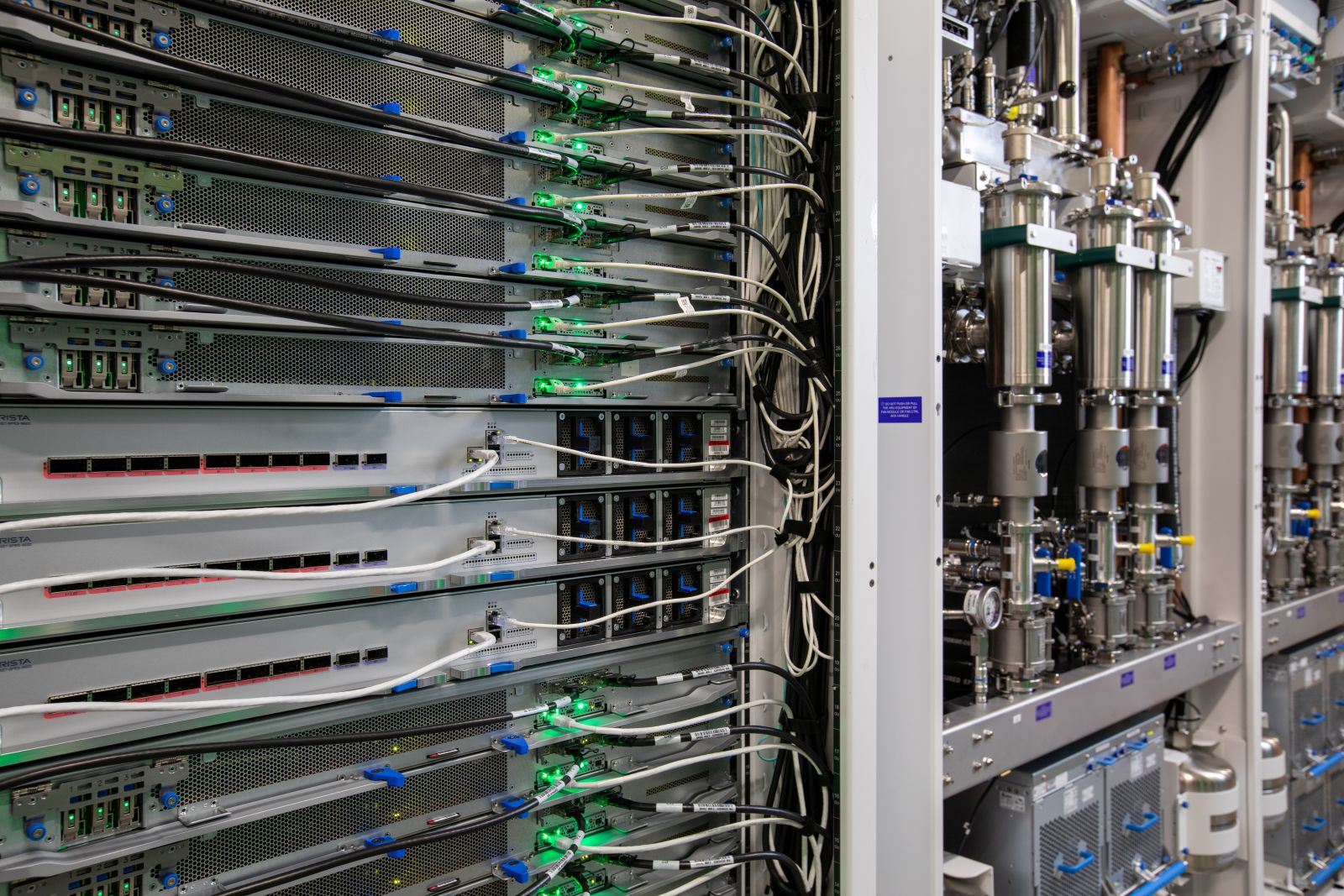
The CEO's tweet uses a per-watt version of the same 40% claim. A watt is chip-level. A megawatt is datacenter-scale.
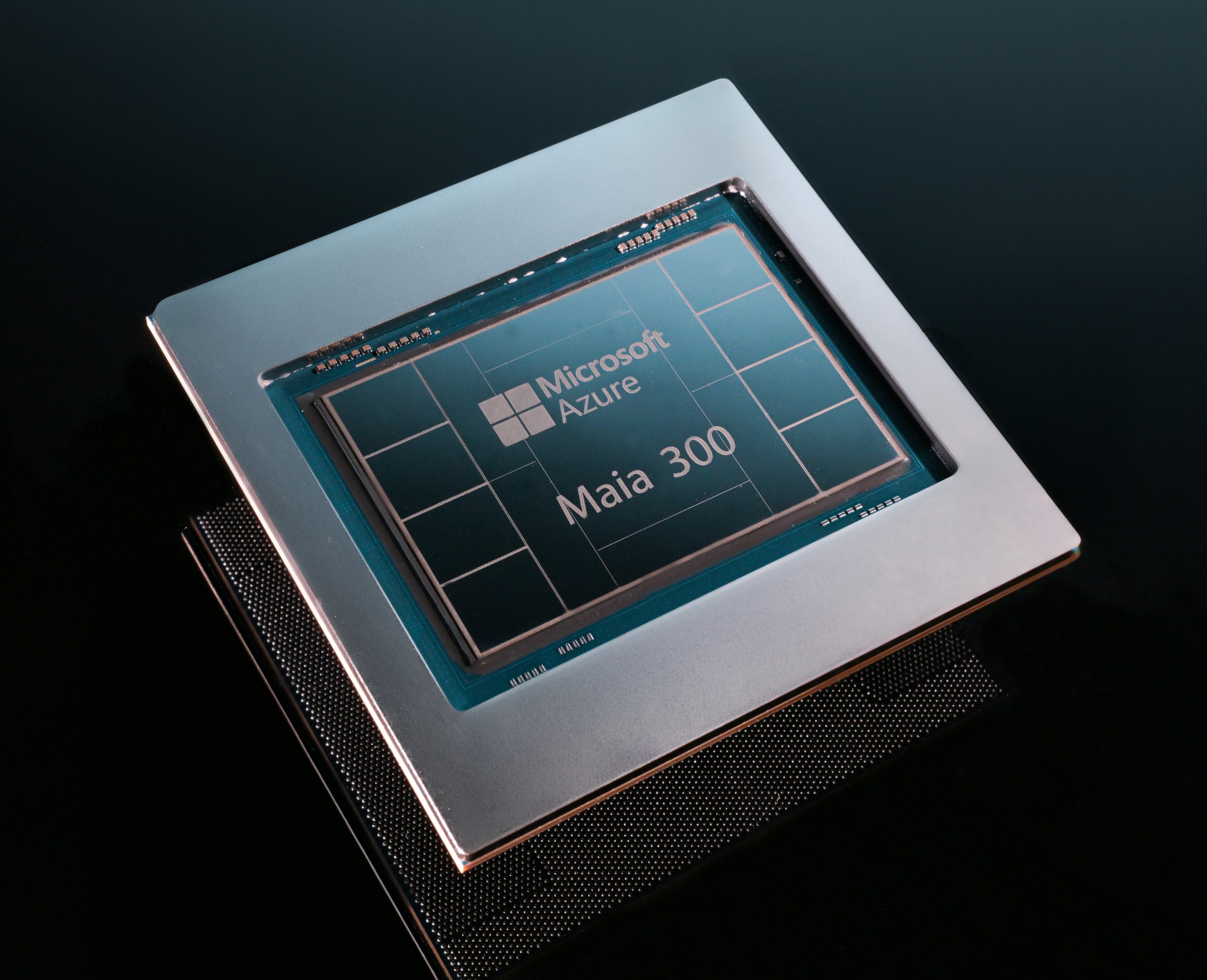
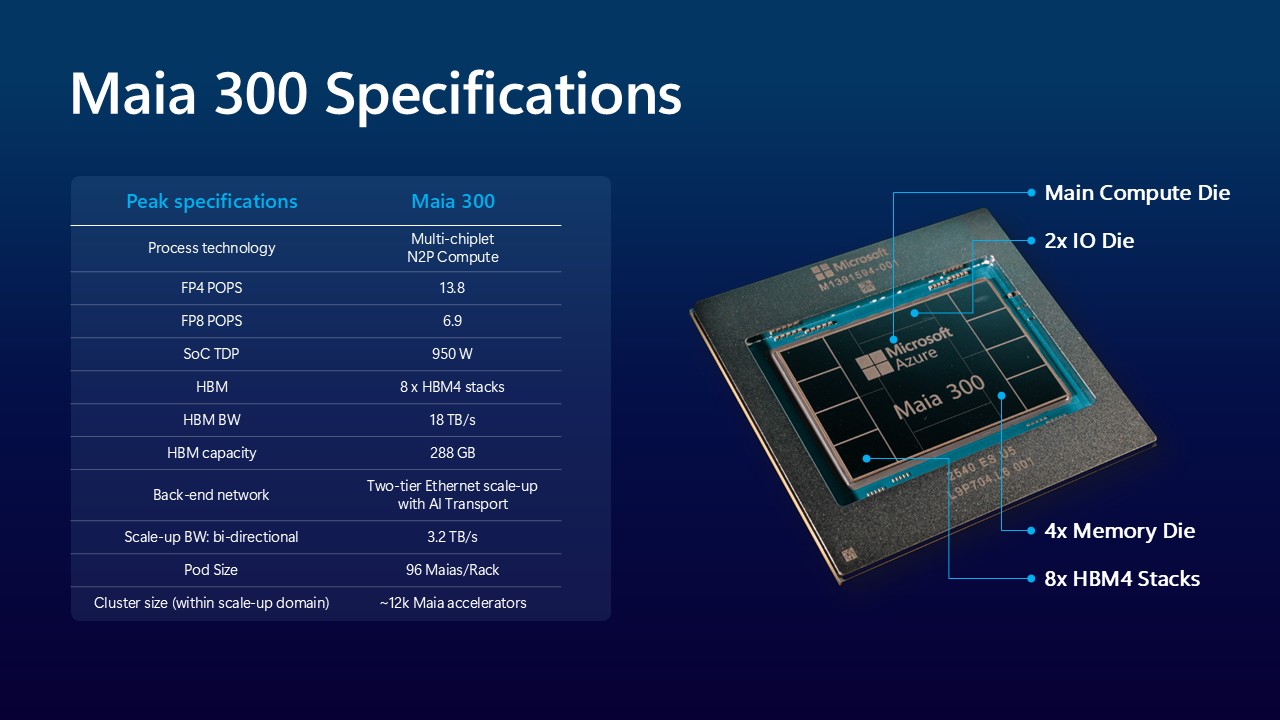
The blog is the page to trust. It establishes the rollout scale and the relative efficiency claim. The wire article's memory stack count, memory capacity, bandwidth, and power envelope remain unproven by the blog.
The rack number that matters is the 96-accelerator claim, up to 7x the rack-scale token throughput of Maia 200. For a fab, those missing per-chip power and memory figures leave yield and thermal budget unverified.
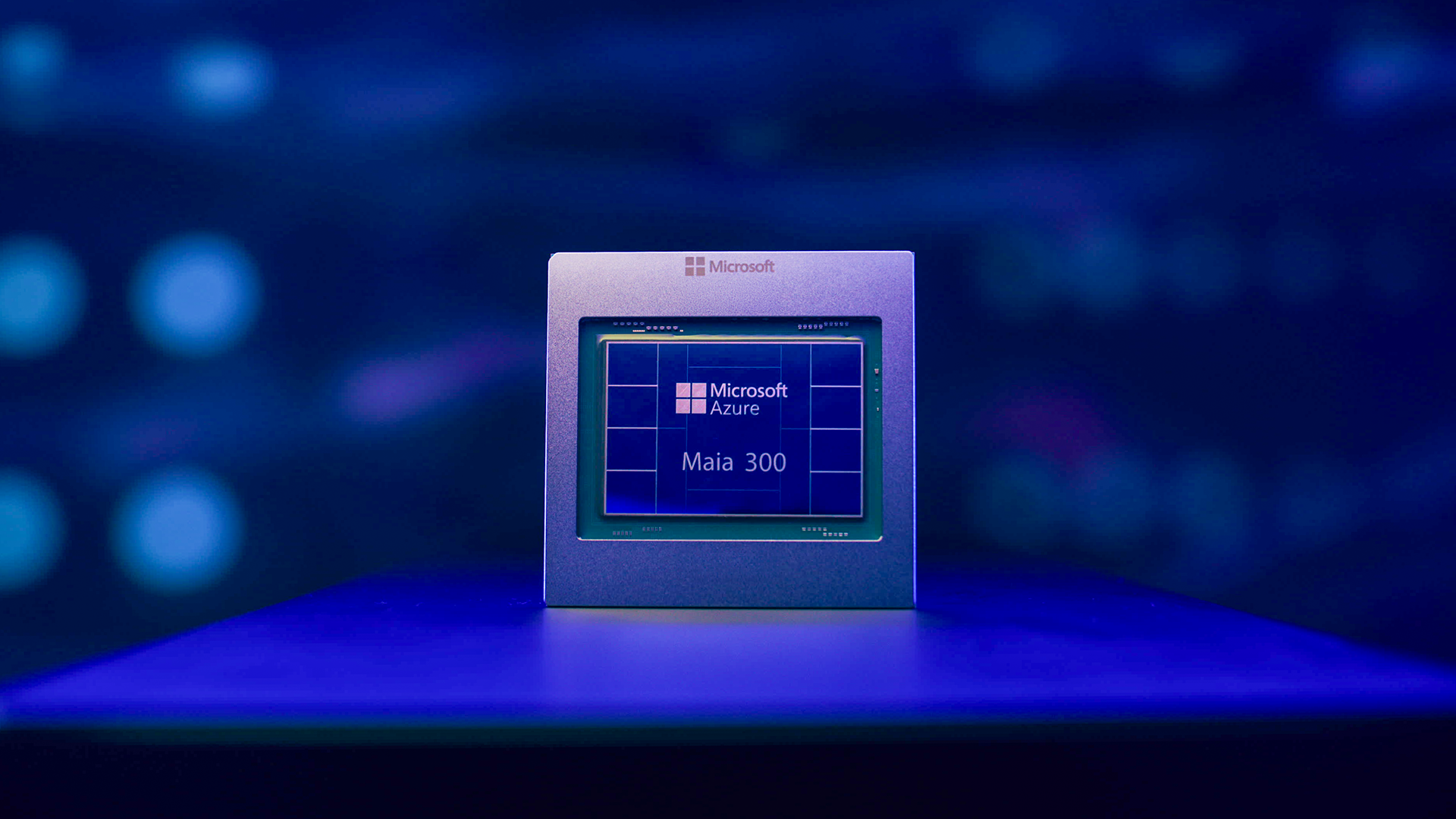
The Maia 300 price, exact memory stack count, memory capacity, bandwidth, and power draw are still unmeasured. The megawatt unit makes the claim a datacenter-scale statement rather than a die-level guarantee.
The blog's megawatt claim is the controlling figure, and the missing chip-level data keeps the rest unverified.
After @satyanadella. We did not report this. The pictures, if any, are theirs.