A 24GB 5080 changes which model fits
A rumored 24 GB RTX 5080 at 32 Gbps would move 1024 GB/s, about 7 percent over the RTX 5080 16 GB. Qwen3 14B is the pick on 16 GB. Qwen3 32B is the pick on 24 GB. A 5090 runs that same 32B model faster.
| RTX 5080 16 GB | RTX 5080 24 GB rumor | RTX 5090 32 GB | |
|---|---|---|---|
| Memory | 16 GB | 24 GB | 32 GB |
| Bus | 256-bit | 256-bit | 512-bit |
| Cores | 10752 | 10752 | 21760 |
| Power | 360 W | 400 W or more | 575 W |
| Pin rate | 30 Gbps | 32 Gbps | 28 Gbps |
| Bandwidth | 960 GB/s | 1024 GB/s, about 7% more | 1792 GB/s |
| What GB/s means | Gigabytes moved each second | 1024 is not 1024 GB stored | 1792 is the same kind of figure |
| 8B, 4-bit | Fits, ~240 tok/s | Fits, ~256 tok/s, +7% | Fits, ~448 tok/s |
| 14B, 4-bit | Fits, ~137 tok/s | Fits, ~146 tok/s, +7% | Fits, ~256 tok/s |
| 32B, 4-bit | No room | Fits, ~64 tok/s | Fits, ~112 tok/s |
| 70B, 4-bit | No room | No room | No room |
| General pick | Qwen3 14B | Qwen3 32B | Qwen3 32B, more context |
| Tok/s means | Ceiling, not a bench | GB/s divided by the weights | Same ceiling, faster bus |
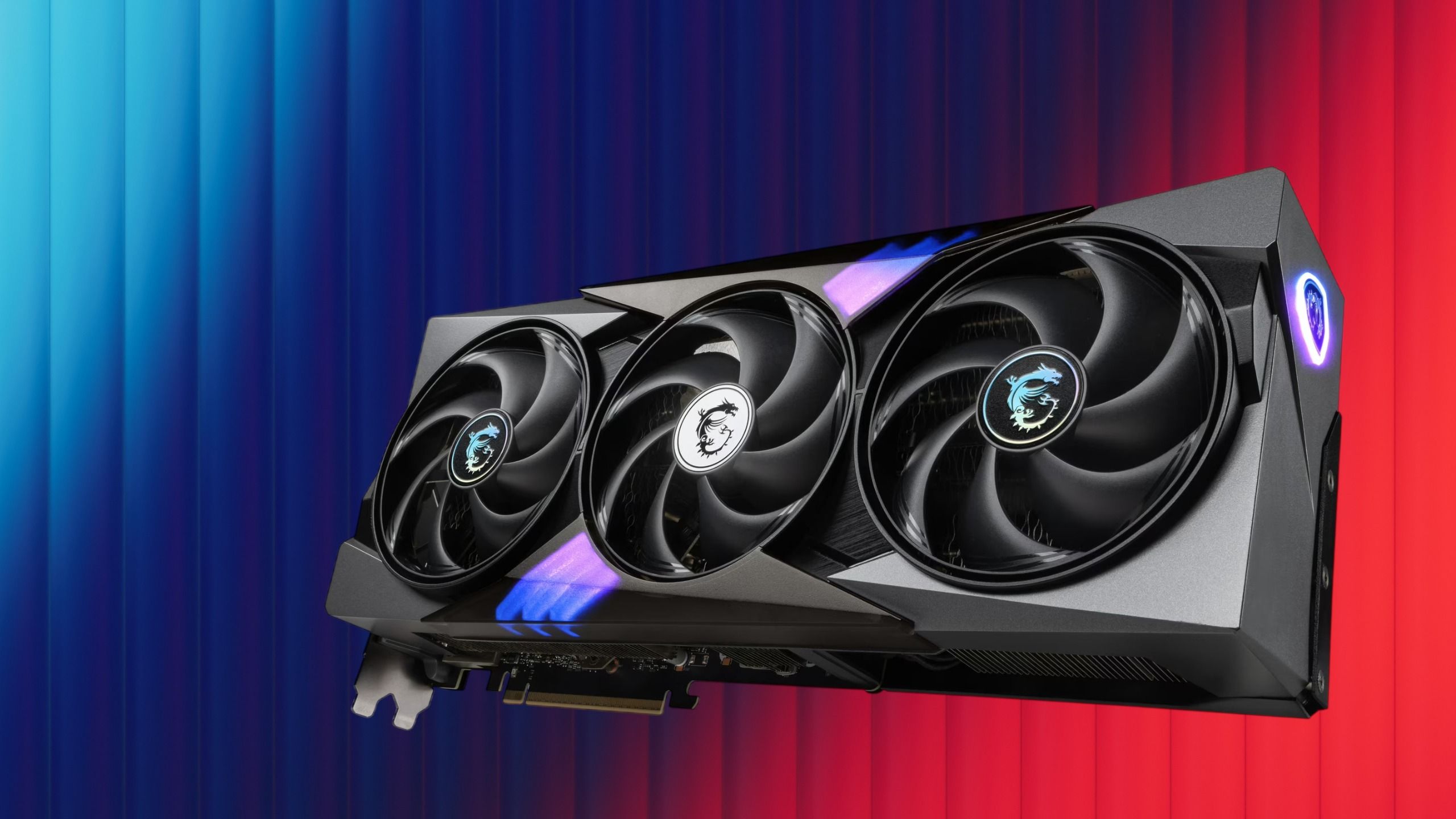
The rumors say Nvidia is preparing to wind down GeForce RTX 5090 allocations and send GB202 chips toward workstation and AI boards. In that telling, a GeForce RTX 5080 with 24 GB would be the gaming card left at the top. Nvidia has not announced the change. The October notes name a capacity. They do not name a pin rate, a core count, or a board power.
The RTX 5080 16 GB uses a 256-bit bus at 30 Gbps, which is 960 GB/s, with 10752 cores and a 360 W board power. A 3 GB chip is a 24-gigabit part, and eight of them hold 24 GB on that same bus, where eight 2 GB chips hold 16 GB. The bus does not get wider, so the larger chip does not add speed by itself. Kopite7kimi's leak rates a 24 GB 5080 at 32 Gbps, the same 10752 cores, and 400 W or more. Multiply that 256-bit bus by 32 and divide by 8, and the bus moves 1024 GB/s. That 1024 is gigabytes per second, not gigabytes stored on the card. The card would still hold 24 GB. The gap against 960 GB/s is 64 GB/s, about 7 percent. The RTX 5090 32 GB is the card this rumor would replace. It holds 32 GB on a 512-bit bus at 28 Gbps, which is 1792 GB/s, with 21760 cores and a 575 W board power.
Token speed follows bandwidth, and capacity decides which model runs. These figures count 4-bit weights as 0.5 GB per billion parameters, before context, and they are a counting rule rather than a measured benchmark. The table puts a token rate next to each model. That rate is bandwidth divided by the weight size, a ceiling for one chat, and nobody has measured it. An 8 billion parameter model is 4 GB of weights, and a 14 billion parameter model is 7 GB, so both fit on the RTX 5080 16 GB. Weights for a 32 billion parameter model fill that 16 GB by themselves. Nothing is left over for the conversation there, while a 24 GB card still has 8 GB free. A 70 billion parameter model weighs 35 GB, so it fits on neither the 5080 nor the 5090. For a general chat, run Qwen3 14B on the 16 GB card, near 137 tokens a second. On the rumored 24 GB card, run Qwen3 32B, near 64 tokens a second. The 5090 runs that same Qwen3 32B near 112 tokens a second, and it leaves about 16 GB for the chat instead of 8 GB. A packaged 4-bit file is heavier than this half-byte count, so Qwen3 32B sits close to the edge of 24 GB and has room on the 5090.
HotHardware, Tom's Hardware, Wccftech, and VideoCardz reported the production rumor. The 32 Gbps figure, the core count, and the 400 W figure are kopite7kimi's leak. What nobody has measured is a 24 GB 5080 on a bench.
The October notes state a 24 GB capacity and do not print a pin rate, a core count, or a power figure. The table takes 32 Gbps, 10752 cores, and 400 W or more from kopite7kimi's leak. The RTX 5090 32 GB column is the shipping card: 32 GB, 1792 GB/s, 21760 cores, 575 W. Qwen3 14B and Qwen3 32B are the size picks under the 4-bit count. A real 4-bit file is heavier than that count. Nvidia has announced no 24 GB 5080, and no bench has measured one.
Die Brief desk. The claim is ours. Facts from HotHardware, Tom's Hardware, Wccftech, videocardz.com. Pictures, if any, are from those pages.