XMG brings back 18-inch gaming laptops
XMG's PRO 18 and PRO 18 Value Edition return to 18-inch gaming laptops after 2011, with RTX 50 Laptop GPUs and prices from €2,849.
| PRO 18 | PRO 18 Value Edition | |
|---|---|---|
| Processor | 24-core Intel Core Ultra 9 290HX Plus | 20-core Core Ultra 7 270HX Plus |
| GPU | GeForce RTX 5070 Ti Laptop GPU | refreshed GeForce RTX 5070 Laptop GPU |
| GPU power | up to 140W, including Dynamic Boost | 115W GPU power limit |
| Display | 300Hz display | 180Hz display |
| Memory | up to 128GB of DDR5 memory | up to 128GB of DDR5 memory |
| Price | €3,299 | €2,849 |
| Weight | 2.9 kg | 2.82 kg |
| Battery | 99.8Wh battery | 99.8Wh battery |
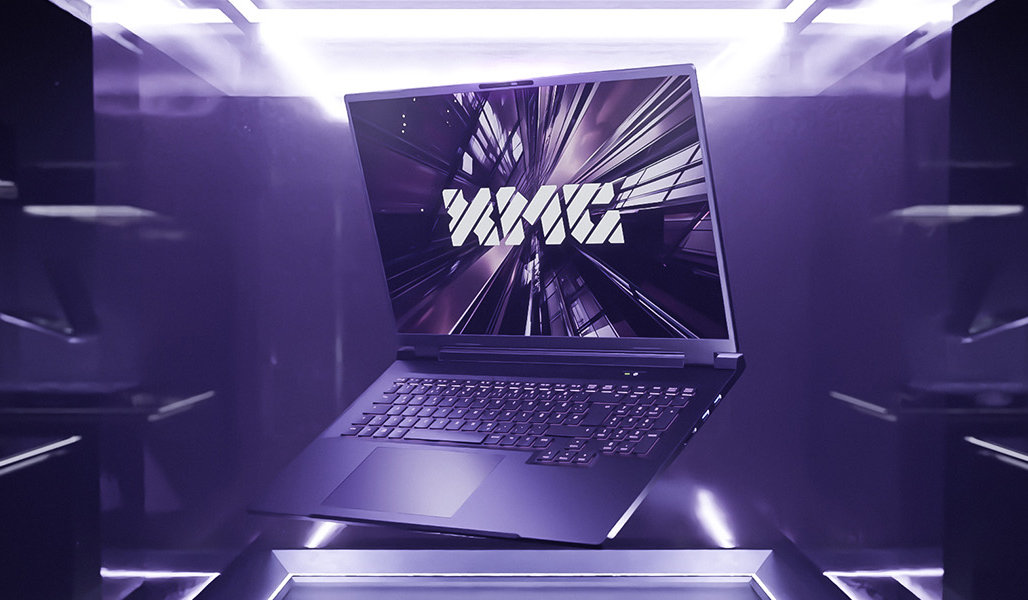
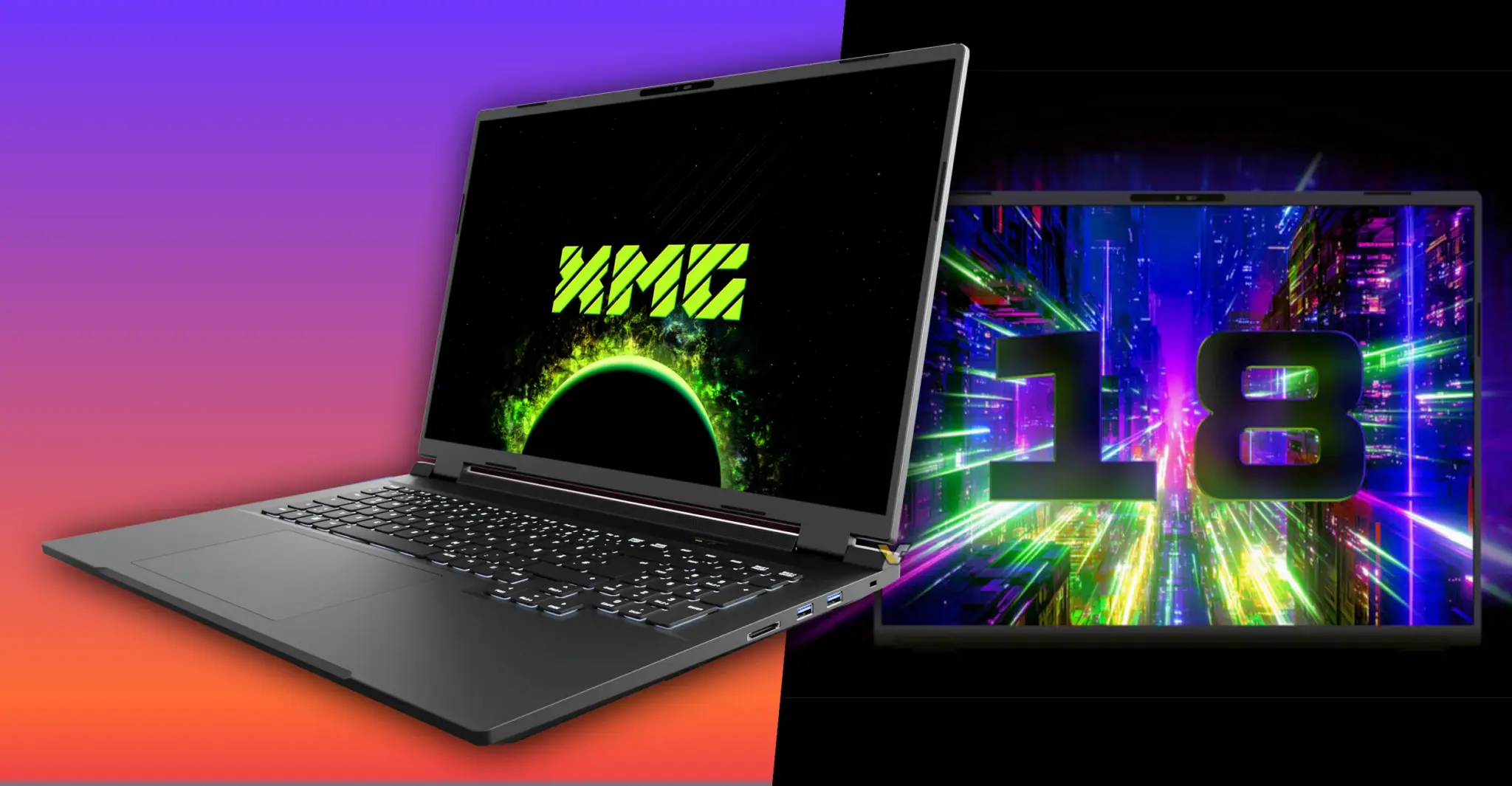
XMG's PRO 18 and PRO 18 Value Edition return the brand to 18-inch gaming laptops after its last model in that size appeared in 2011. Two machines share a chassis, a three-fan cooling path, and 18-inch IPS panels rated at 2560 x 1600, 500 nits, and 100% DCI-P3. They were officially previewed at Computex 2026 and are now available to order. VideoCardz, sourced from XMG, lists prices from €2,849 for the Value Edition and €3,299 for the standard PRO 18.

The desk reads the shared chassis as the real constraint: two different CPU-GPU stacks are being asked to fit one cooling path, and the document gives no sustained-load proof. A buyer is choosing between a 140W RTX 5070 Ti and a 115W RTX 5070 before anyone has measured how much of that power survives the 99.8Wh battery and three-fan stack.
Standard PRO 18 pairs a 24-core Core Ultra 9 290HX Plus with a 300Hz display, while the Value Edition uses a 20-core Core Ultra 7 270HX Plus and a 180Hz panel. Both support up to 128GB of DDR5 through two SO-DIMM slots, and both carry a 99.8Wh battery, Wi-Fi 7, Thunderbolt 4, and 2.5GbE networking. No figure appears in this packet. It leaves out sustained frame rate, CPU TDP, battery life, and the RTX 5070 Ti Laptop GPU memory size.
The document leaves out sustained frame rate, CPU TDP, battery life, and the RTX 5070 Ti Laptop GPU memory size.
The shared chassis fixes the thermal budget, so the 140W versus 115W GPU split is a power-envelope choice, not a proven performance gap. Without sustained-load data, CPU TDP, and battery life, the buyer is pricing in unmeasured thermal and endurance risk.
After videocardz.com. We did not report this. The pictures, if any, are theirs.