GPT-5.6 ships in three tiers with an agent product
OpenAI released GPT-5.6 in three tiers — Sol, Luna, Terra — alongside ChatGPT Work, an agent that runs multi-step tasks across web, phone, and desktop.
| GPT-5.6 Sol | GPT-5.6 Luna | GPT-5.6 Terra | |
|---|---|---|---|
| Positioning | strongest | speed-optimized | balanced performance/cost |
| Availability | Plus, Pro, Business, Enterprise | Free, Go | |
| Agent-coding delta | up to 54% higher (Altman/CNBC) | ||
| Platforms | ChatGPT, Codex, API | ChatGPT, Codex, API | ChatGPT, Codex, API |
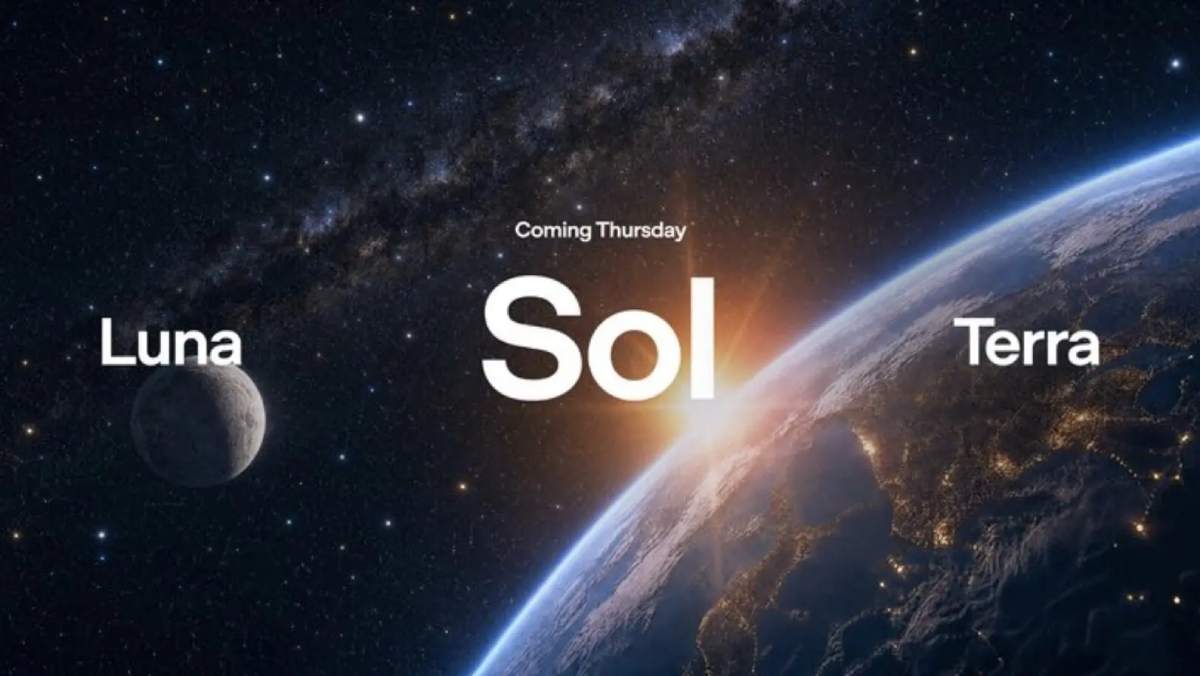
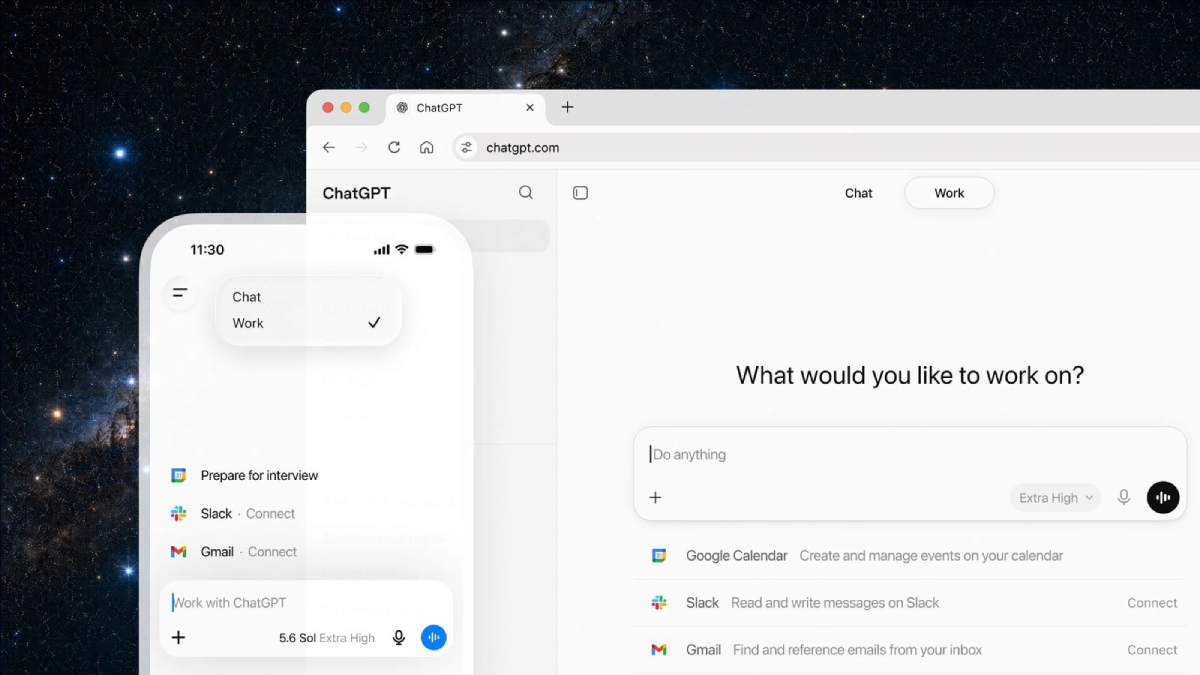
GPT-5.6 ships in three tiers — Sol, Luna, Terra — and the split is not cosmetic. Sol goes to Plus, Pro, Business, and Enterprise subscribers; Free and Go users get Terra. The model is live on ChatGPT, Codex, and the OpenAI API as of the 10 July 2026 update. OpenAI simultaneously announced ChatGPT Work, an agent tied to Codex that executes multi-step tasks across web, phone, and desktop, runs on schedules, and handles background work across applications.
The 54 percent figure Altman gave CNBC for agent-coding tasks is a relative delta with no named baseline model, no task suite, and no evaluation harness in the document. That means the number is a vendor claim until a third party reproduces it. The tier structure is the real constraint: a Free-tier user cannot access Sol, and the document gives no per-token price, parameter count, or context window for any tier. The buyer who needs Sol for code review or threat simulation is locked into a paid tier, and the document does not say whether Terra's ceiling is a hard architectural limit or a throttled version of the same weights.
What the page leaves out is the measurement layer. No independent benchmark, no Luna latency or tokens-per-second figure, no context-window size, no dollar-per-token rate. The trust-level access control and real-time monitoring are named but not specified. The Sites beta and the plugin system are described in one sentence each. The document proves that OpenAI shipped three tiers and an agent product on the same day. It does not prove that Sol outperforms the prior generation by 54 percent, because the comparison set is undefined.
The 54 percent agent-coding figure has no named baseline, task suite, or harness, so it is a vendor claim until reproduced. The tier split locks Free and Go users into Terra, and the document gives no price, parameter count, or context window to model cost or capability.
No per-token price, parameter count, context window, Luna throughput, or independent benchmark appears in the document.
The 54% delta is unverified: no baseline model, no benchmark suite, no evaluation methodology is stated. The three-tier split creates a hard access boundary — Sol requires a paid tier — and the absence of per-token pricing, parameter counts, and context windows means the buyer cannot model cost-per-task from this document alone.
After cellphones.com.vn. We did not report this. The pictures, if any, are theirs.