Suncatcher prototype is online, one TPU active for 20 minutes at a time
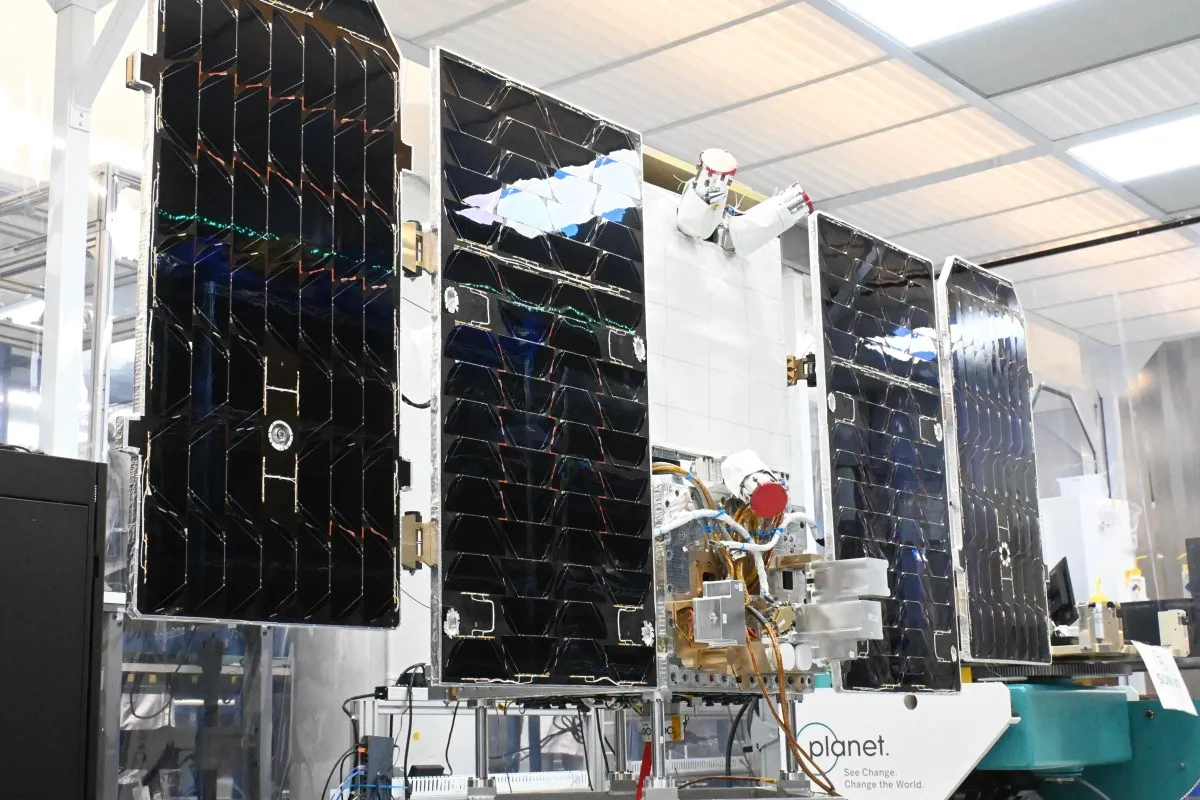
The 1 kW ceiling on Google's Suncatcher prototype means one TPU runs for about twenty minutes at a time, even though the satellite is now online and talking to the ground.
| Suncatcher prototype | |
|---|---|
| TPUs onboard | four |
| power generation | up to 1 kW |
| active TPU window | about twenty minutes |
| model tested | Gemma 4 |
| launch vehicle | SpaceX Falcon 9 |
| next satellites | two in 2027 |
The craft launched earlier this month on a SpaceX Falcon 9 alongside more than 100 other spacecraft, and a three-week commissioning period tested its subsystems before the first prompt went up.
That first prompt asked the pre-loaded Gemma 4 model to write a haiku about being in space.
The model returned a three-line poem about a blue marble, silent data streams, and starlight.
Google also tested the model with space-themed limericks and asked the spacecraft to report on orbital conditions around it.
A spokesperson told TechCrunch the satellite is operating nominally.
The test campaign will look at how the chips handle thermal stress and the space radiation environment.
Google has tested its TPUs in particle accelerators on Earth, but the orbital environment is a different question.
Radiation can cause bit flips that corrupt stored data without triggering typical monitoring tools.
Ground testing suggested the impact would be minimal for inference workloads and more of a problem for training, but the team now needs to see what happens in real orbit.
The next step is two more satellites in 2027, equipped with advanced chips, higher power generation, and inter-satellite optical links.
Suncatcher is largely alone among space-based data center visions in planning high-speed links between satellites for coherent distributed workloads.
SpaceX's data centers are also expected to use laser links, but the satellites orbit too far apart to share processing effectively.
Starcloud and Cowboy Space expect to perform inference on individual satellites.
Alphabet holds a significant investment stake in SpaceX, and both companies will need Starship to launch their orbital data centers.
The 1 kW budget forces a single active TPU and a ~20-minute duty window. Until radiation and thermal data are measured, the architecture cannot be treated as a scalable inference node.
After deepmind.google. We did not report this. The pictures, if any, are theirs.