Astra robot policy pairs higher success with slower inference and higher cost
A $36.40 API bill per successful episode sits behind the 74.8 percent success rate in the NVIDIA Astranomy report.
| Direct Policy | Agentic Policy | Orchestrated Policy | |
|---|---|---|---|
| success rate | 66.3% | 74.8% | 66.5% |
| completion score | 76.7% | 83.6% | 79.1% |
| latency | 18.56 s | 13.37 s | 11.50 / 2.74 s |
| API cost | $1.96 | $36.40 | $17.72 |
| tokens | 160k | 30.9M | 11.0M |
Astra's best policy on RoboLab-120 clears the two robot foundation models in the table. The 13.37 second inference call and the $36.40 API cost per successful episode sit behind that gain.
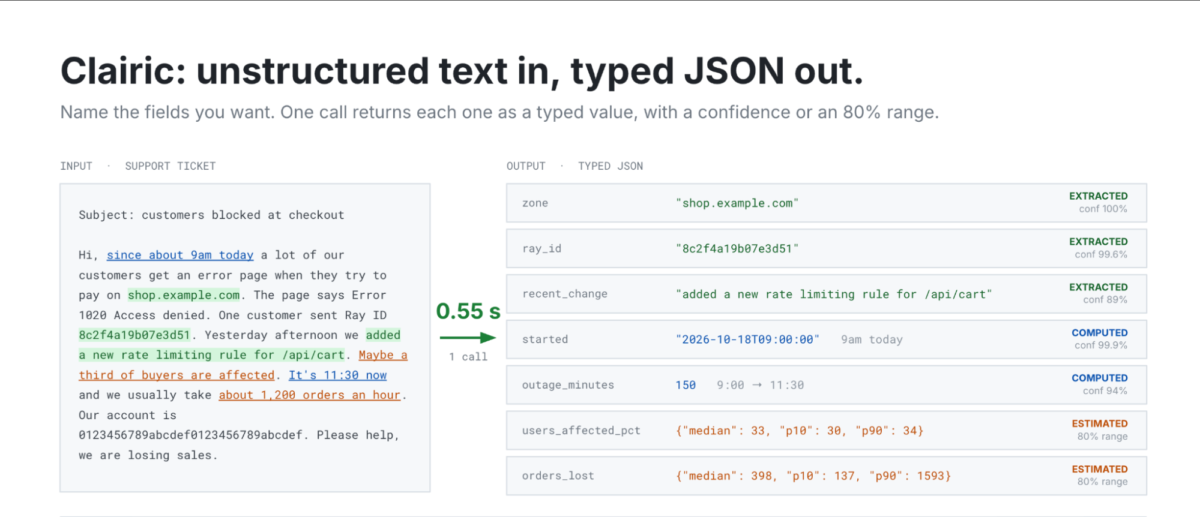
Agentic Policy reports the same latency and cost. TechCrunch's Eka piece calls the physical AI model a source of expert enthusiasm, but that phrase is not a measured result.
The report measures Astra policies, not Eka hardware. It does not establish Eka's funding terms, pick rate, or gripper duty-cycle life.
For a fab or integrator, the useful question is whether a 13.37 second policy can sit behind a cheaper specialist arm. The report does not settle whether a demo looked good.
The gap between simulation-trained dexterity and a full year of line operation remains unmeasured.
Treat Astra as a capability ceiling, not a production-ready controller.
After @tonyzzhao. We did not report this. The pictures, if any, are theirs.