Kling 4.0 adds stereo audio, multilingual lip sync, and a Flash tier
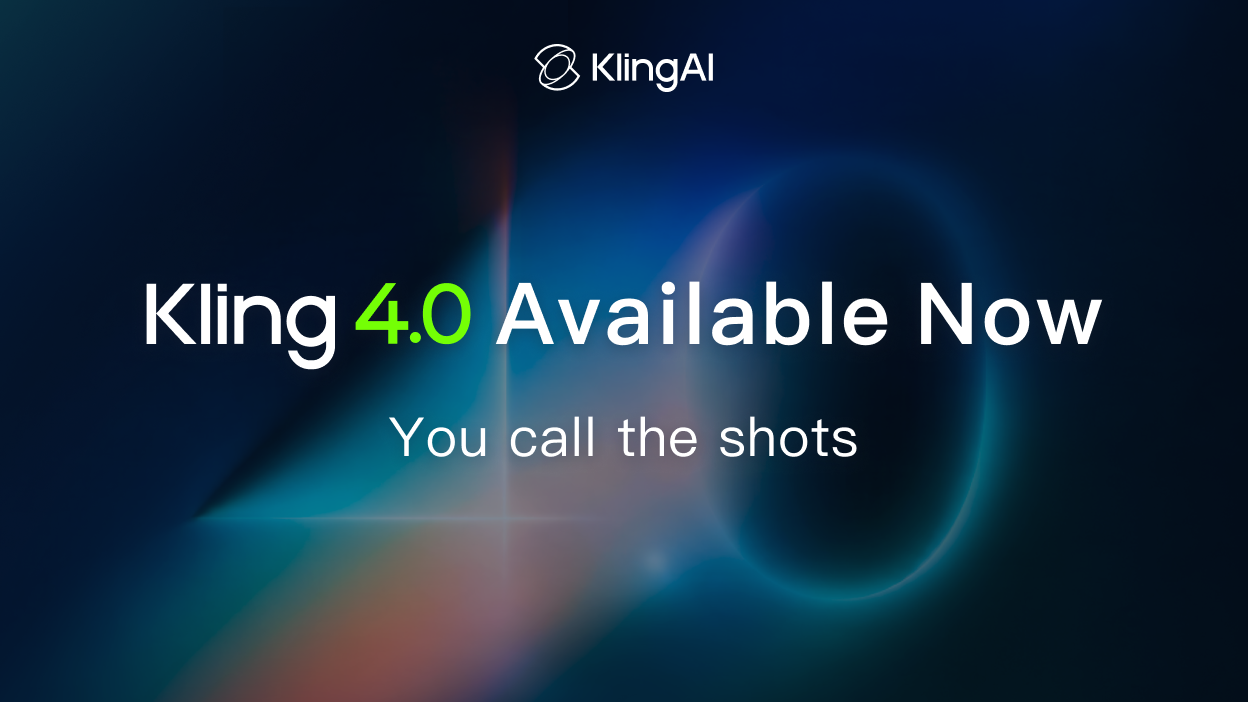
Kling 4.0 lists 30-second single-pass video, 8,000 prompt tokens, and a Flash tier capped at 720p and 20 seconds, while API pricing remains unannounced.
| Kling 4.0 | Kling 4.0 Flash | |
|---|---|---|
| max video length | 30 seconds | 20 seconds |
| resolution | 720p | |
| prompt tokens | 8,000 tokens | |
| keyframes | ten keyframe images | |
| reference assets | 15 reference assets (10 images, 5 videos, 30 seconds combined, 7 elements) | |
| audio and languages | two-channel stereo audio; more than ten languages | |
| API pricing | hasn't been announced yet | |
| coming soon | 10-bit HDR output at 4K and 1080p; up to two minutes |
Kling 4.0 is the version number on the vendor release-notes page at kling.ai/release-note/release-notes/Kling_4?type=dialog. The page is thin, but the launch figures are: 30 seconds of video in one pass, 8,000 prompt tokens, and ten keyframe images. The Flash tier is the same family with a lower ceiling: 720p and 20 seconds.
The Decoder added the comparison that the vendor page does not make: Kling 4.0 against Wan 3.0 and Seedance 2.5. It also added a qualitative read that Kling 4.0 is competitive but not clearly ahead in shot sequencing, physics, and dialogue. That inference is useful, but it is not a measured spec from the release notes.
Omni Reference is the part that changes the workflow. It accepts up to 15 reference assets in one generation, split into 10 images, 5 videos with a combined 30 seconds, and 7 elements. Storyboards, wireframes, image grids, white-model videos, and depth-map videos can serve as references, and Creative Recreation lets a user swap products or characters in an existing video.
Die Brief reads the limit as a production limit, not a model-quality mystery. Teams that need 4K HDR, two-minute extensions, or API pricing cannot plan around those items because the document marks them coming soon or unannounced. The buyer gains control: MCP and CLI access, ten keyframes, and 15 reference assets let a team pin shots before generation, but the Flash cap still leaves 720p and 20 seconds as the fast lane.
What remains unmeasured is the cost and audio quality. No figure is given for API pricing, per-second cost, or quality metrics for stereo audio and multilingual lip sync. The exact number of supported languages is also not fixed, only more than ten.
The constraint is on production teams that need 4K HDR, two-minute extensions, or API pricing, because those items are marked coming soon or unannounced. The document proves control and reference capacity, not audio quality or cost.
API pricing, per-second cost, and quality metrics for stereo audio and multilingual lip sync are not measured.
The release shifts the bottleneck from prompt length to reference management and output caps. Buyers can automate with MCP/CLI, but Flash remains a 720p/20s path and API economics are still open.
After kling.ai. We did not report this. The pictures, if any, are theirs.