Claude's default slot is gone; its specialist work is not
Claude is losing its default-model-provider status at Replit while simultaneously solving problems that have stumped humans for decades—a role shift from general-purpose default to high-difficulty specialist tool.
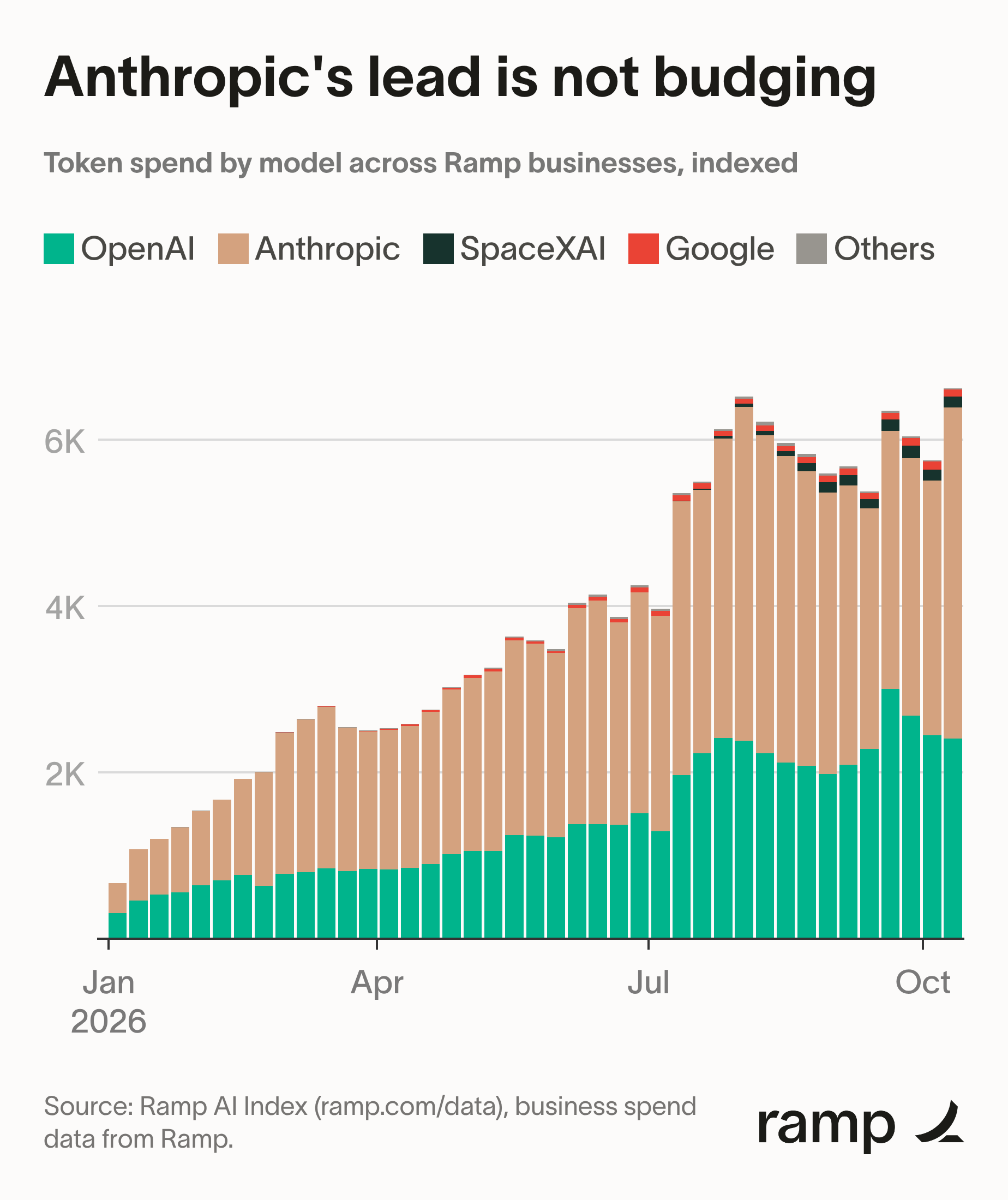
Replit's CEO confirmed that OpenAI will replace Anthropic as its default model provider. Claude remains available to customers on the platform, but the default slot—the position that signals broad, everyday trust—is now held by a competitor.
Apple's senior vice president of worldwide marketing, Greg Joswiak, told Time that Apple Intelligence is not built for the "lunatic fringe" that praises Claude, Grok, and similar tools. The framing matters: Apple is not saying Claude is bad. It is saying Claude is not the target audience for mainstream AI.
Meanwhile, Claude cracked a 25-year-old NSA cryptography puzzle in under 30 minutes, identifying that the seeds behind NIST's standard curves came from "lrand48," a simple C random number generator. Separately, Starling—an open-source desktop environment with its own Wayland compositor, written largely via Claude Code—has rolled out an AI-generated office suite. These are not general-purpose tasks; they require sustained, high-difficulty reasoning.
The pattern is a concentration: Claude is being pushed out of the default slot and into the specialist lane. It is no longer the model you get by default; it is the model you reach for when the problem is hard enough that general-purpose tools fall short.
Sources: TechCrunch AI, The Decoder, Phoronix, AppleInsider. The hole: no item confirms whether the specialized deployments—Starling, the NSA puzzle—are growing or are one-off demonstrations. "Still available" at Replit could signal a gradual phase-out rather than a stable niche position.
Two forces are converging on Claude from opposite directions: platform partners are demoting it from default status, while its own capability profile is concentrating in high-difficulty, low-frequency tasks. The result is a model that is simultaneously less visible and more capable—a profile that suits a specialist tool but not a general-purpose default. The unresolved question is whether the specialist work is a growing pipeline or a series of demonstrations.
Die Brief desk. The claim is ours. Facts from TechCrunch AI, The Decoder, Phoronix, AppleInsider. Pictures, if any, are from those pages.