Apple TV 4K fourth generation ships november 13 at $299
Apple's fourth-generation Apple TV 4K ships November 13 at $299 for the 128-gigabyte configuration, with an A19 chip, Wi-Fi 7, and far-field microphones for hands-free Siri.

| Apple TV 4K (4th gen) | |
|---|---|
| chip | A19 |
| storage | 128 GB |
| Wi-Fi | Wi-Fi 7 |
| price | $299 |
| launch | November 13, 2026 |
| remote | $59 Siri Remote |
Apple's fourth-generation Apple TV 4K carries a $299 price for the 128-gigabyte configuration, per the MacRumors recap page dated October 13, 2026. The box ships November 13, 2026. Pre-orders are open as of the announcement date.
The $299 configuration bundles an A19 chip, Wi-Fi 7, far-field microphones, and an updated Siri Remote. The document describes the changes relative to the previous generation as "more internal storage" and "a faster A19 chip," but it does not print a side-by-side spec sheet against the third-generation box. The 128-gigabyte figure is the only storage number stated on the page. Whether a lower-storage tier exists at a lower price is not addressed. The previous generation's storage options are not listed for comparison.
The document names it and ties it to Apple Intelligence and Siri AI support, which the wire describes as a first for the Apple TV line. It does not state core count, clock speed, NPU throughput, or a decode benchmark. The chip is identified; its measured performance in this specific enclosure is not on the page. The A19 in a phone operates under a different thermal budget than the A19 in a set-top box, and the document does not bridge that gap with a sustained-load figure. Older Apple TV 4K models will receive Apple Intelligence and Siri AI support via software update, which means the chip is not the only gate for those features.
Wi-Fi 7 is the second architectural change from the previous generation's Wi-Fi 6. The document does not state whether the Wi-Fi 7 radio serves the box's own streaming path or also functions as a pass-through for other devices on the home network. The far-field microphones are a new hardware component that was not present in the third-generation box. They exist for hands-free Siri, which reclassifies the device from a video decoder to a listening node in the home. The microphone array's pickup pattern, sensitivity rating, and any dedicated privacy hardware are not described on the recap page.
The updated Siri Remote costs $59 and adds Find My support to the existing remote form factor. The document references fourteen new features across the box and the remote but does not itemize all fourteen on the recap page. The remote is backward-compatible with older Apple TV models, which matters for a buyer who already owns a third-generation box and wants the new remote without replacing the hardware. The $59 price is for the new remote; the document does not state whether the old remote continues to function with the new box.
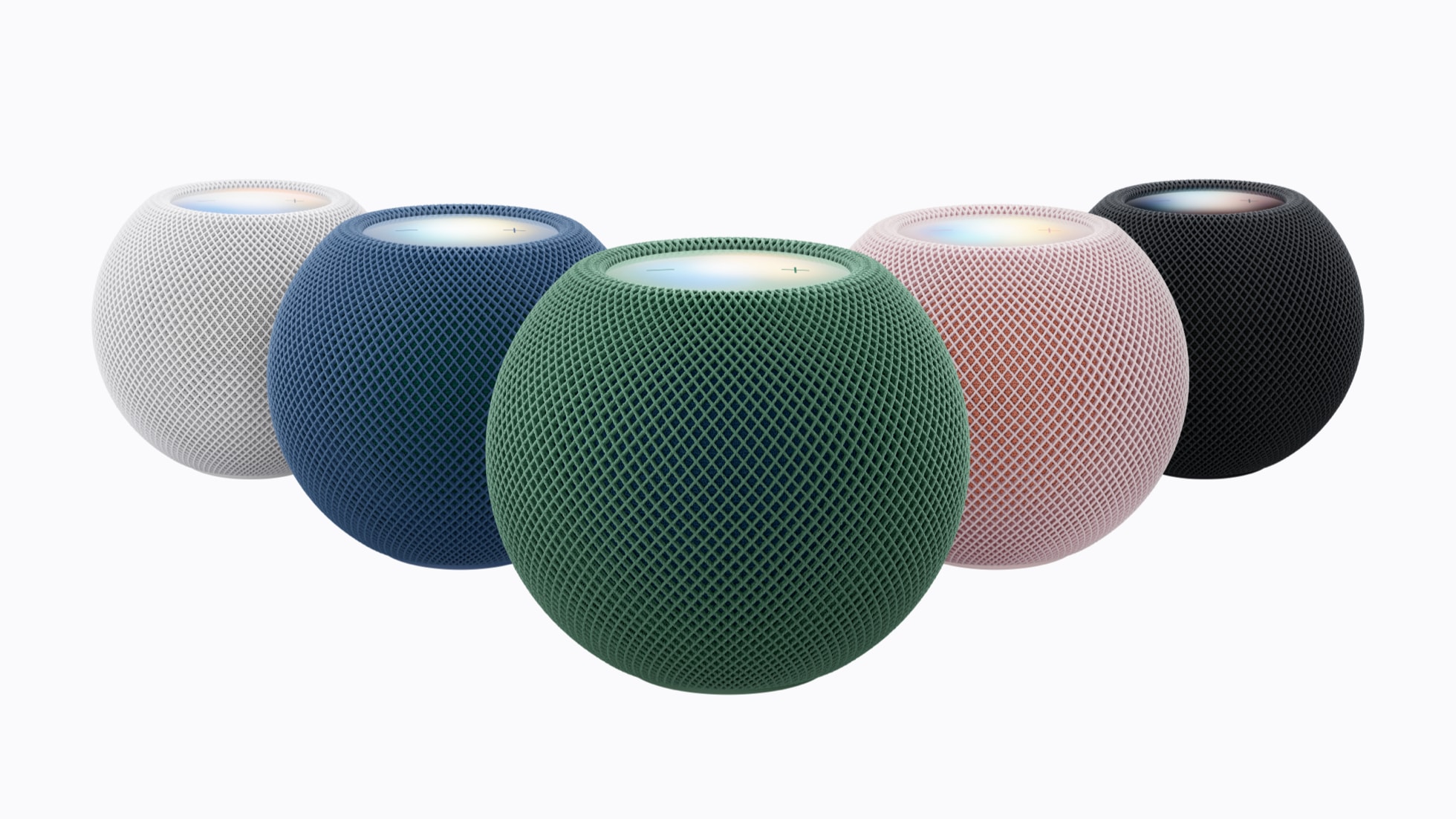
The audio architecture is networked, not built-in. The Apple TV 4K supports surround sound through four HomePods. The box itself has no speakers. The surround configuration requires four separate HomePod units connected over the home network, which means the audio setup is a multi-device configuration with its own latency and synchronization requirements. The document does not state the audio codec, the channel count, or the latency budget for the four-speaker surround path. The HomePod mini 2, announced the same day, is a separate product and is not specified as the required unit for the surround configuration.
The streaming service is tied to the hardware purchase. Buying the Apple TV 4K includes three months of the Apple TV subscription free. After the free period, the subscription runs $14.99 per month, with a seven-day free trial available independently through the app on any supported device. The tv.apple.com page lists the Apple One bundle and the Apple TV plus Peacock bundle at $17.99 per month, with bundle subscribers saving over 30 percent on two plan tiers. The app runs on Apple devices, smart TVs from Samsung, LG, VIZIO, Sony, Hisense, and TCL, streaming devices including Roku, Fire TV, and Google TV, game consoles including PlayStation and Xbox, Android, Windows, and select cable boxes. The subscription is a separate line item from the hardware. The hardware is a decoder; the subscription is the content pipeline.
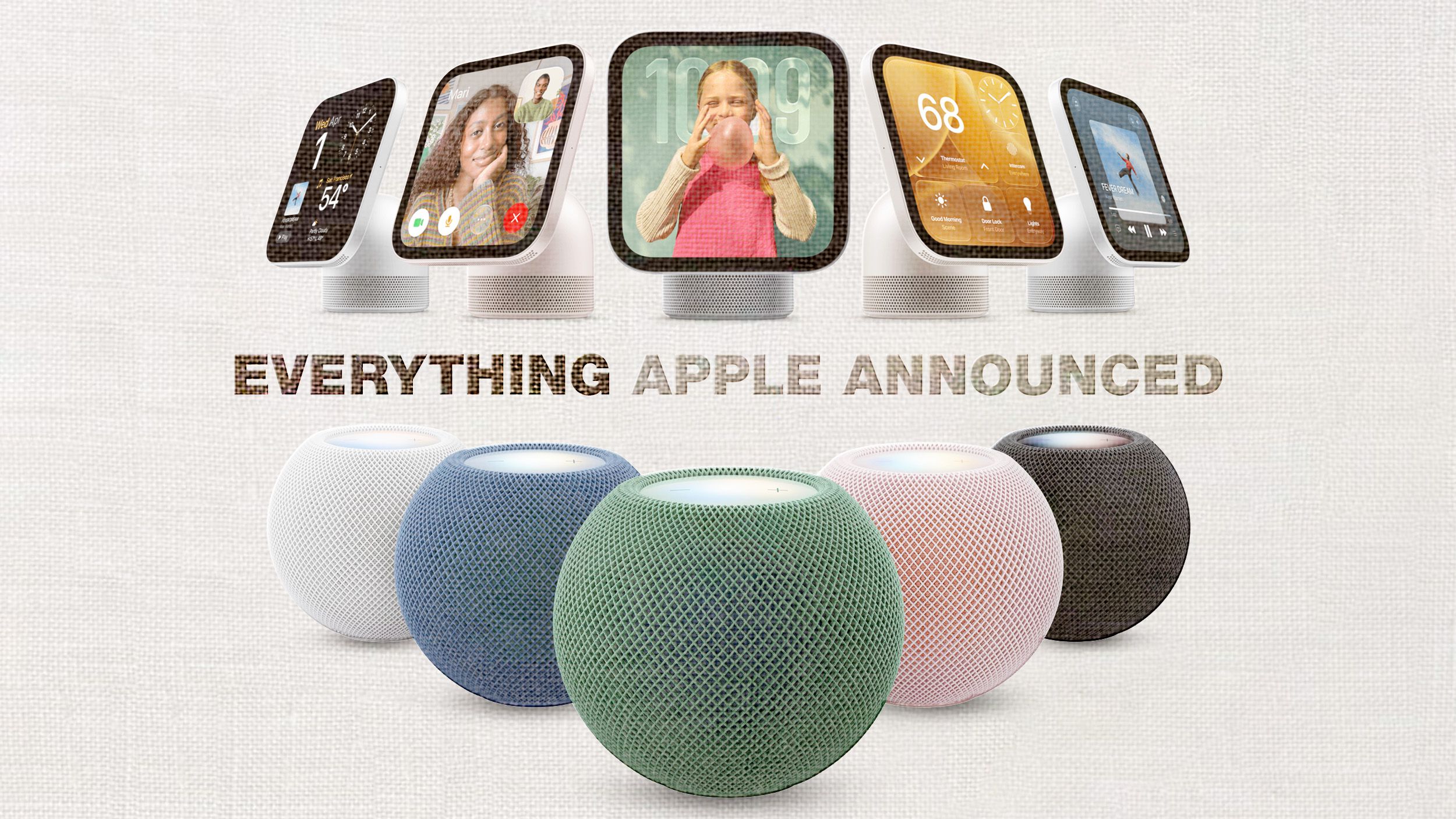
The MacRumors recap page bundles three products into a single story: the Apple TV 4K, the HomePod mini 2, and the HomeView. The Apple TV 4K receives roughly a third of the page's word count. The A19 chip, the Wi-Fi 7 radio, and the far-field microphones are each mentioned in a single clause within a list. The architectural shift from a dedicated media box to a smart-home listening node is compressed into a bullet-point summary alongside a speaker and a wall-mounted display. A reader who wants the chip-level and radio-level details of the Apple TV 4K has to follow four separate linked articles from the recap page.
The HomeView, also priced at $299, is a separate device with a 7-inch Liquid Retina display and is not part of the Apple TV 4K's hardware architecture.
The desk's judgment: the buyer who wants a dedicated 4K media player is constrained by the fact that the far-field microphones and Siri AI integration make the box a smart-home listening node, whether or not the buyer intends to use Siri. The document does not prove whether the A19's NPU handles on-device Apple Intelligence inference or whether that processing is offloaded to iCloud. The buyer cannot know the power draw, the thermal envelope, or whether the Wi-Fi 7 radio adds measurable latency to the streaming path relative to Wi-Fi 6. The document does not state whether a lower-storage tier exists, what it costs, or whether the far-field microphones are present in that tier.

What is still unmeasured: the A19 chip's sustained decode throughput under 4K HDR playback, the Wi-Fi 7 radio's actual throughput in a congested home environment, the far-field microphone array's pickup pattern and any dedicated privacy hardware, and the box's power consumption at idle and under sustained load. None of these figures appear on the MacRumors recap page or on the tv.apple.com service page.
The buyer who wants a dedicated 4K media player is constrained by the far-field microphones and Siri AI integration, which make the box a smart-home listening node whether or not the buyer intends to use Siri. The document does not prove whether the A19's NPU handles on-device inference or offloads to iCloud, and it does not state a lower-storage tier or a power figure.
The A19 chip's sustained decode throughput, the Wi-Fi 7 radio's home-environment throughput, the microphone array's pickup pattern, and the box's power draw under load are not stated on either page.
The A19 chip and Wi-Fi 7 radio are named but not measured. The far-field microphones reclassify the device from a video decoder to a home listening node. The buyer cannot determine the NPU's on-device inference role, the thermal envelope, or whether a sub-$299 tier exists without the microphone array.
After apple.com. We did not report this. The pictures, if any, are theirs.