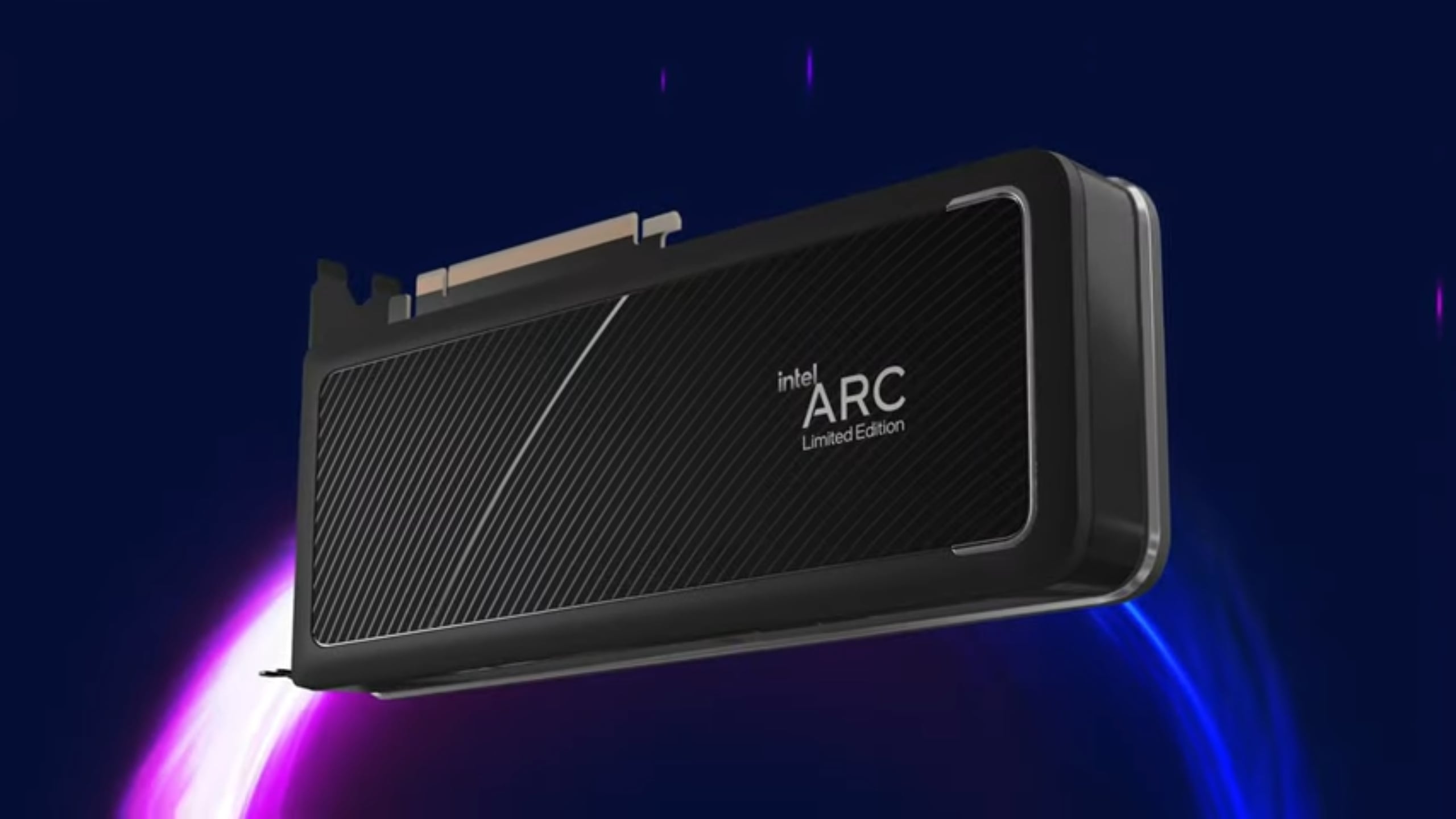
BMG-G31 leaks in a GitHub repo with 32 Xe2 cores and 300W TDP
Vgtimes.com filed a GitHub-sourced spec sheet for Intel's BMG-G31 chip on January 5, listing 32 Xe2 cores, 16GB GDDR6, and a 300W TDP with no Intel confirmation attached.
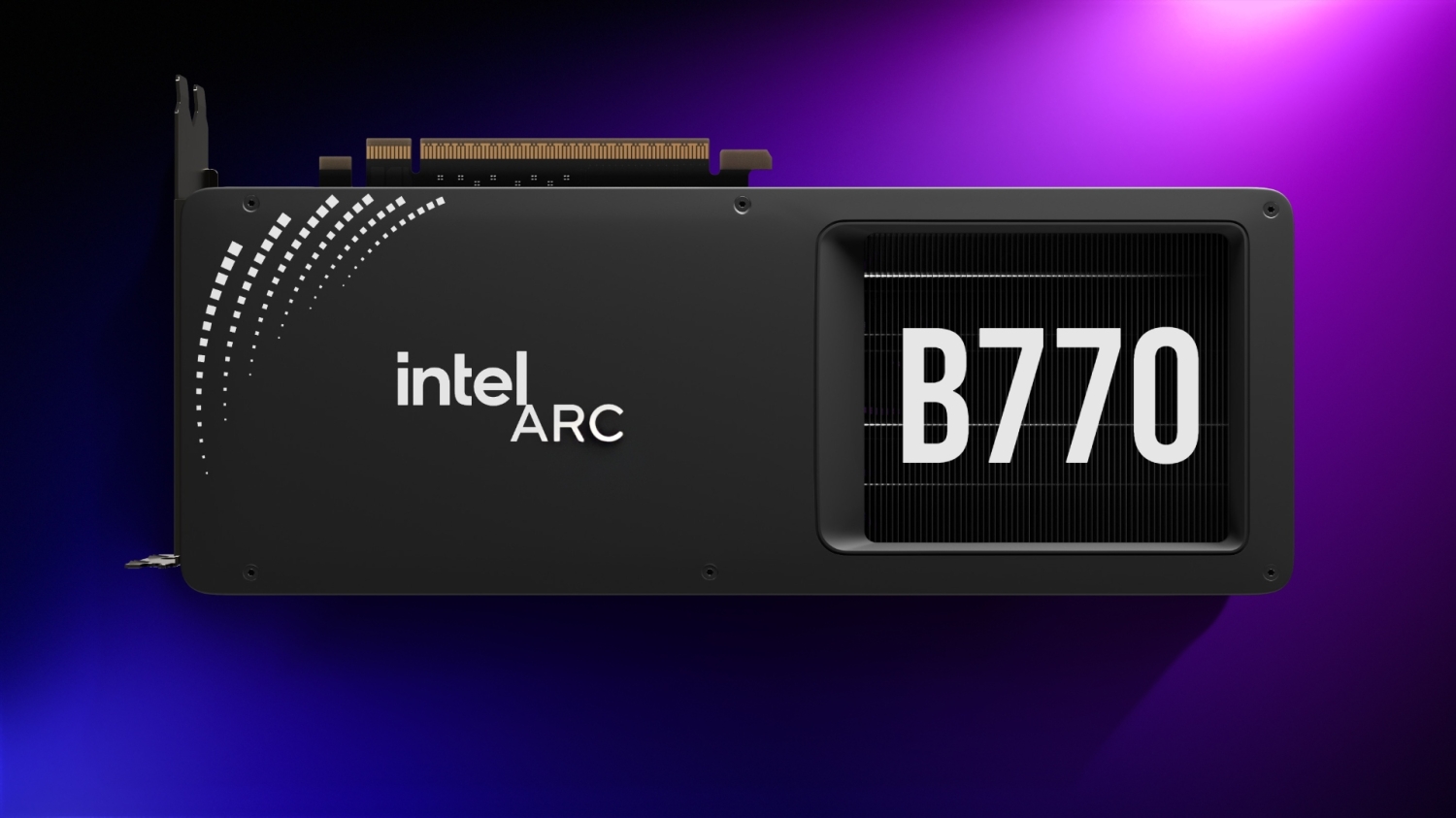
| Intel Arc B770 (BMG-G31) | |
|---|---|
| Codename | BMG-G31 |
| Compute cores | 32 Xe2 |
| Memory | 16GB GDDR6 |
| Bus width | 256-bit |
| TDP | 300W (projected) |
| Process | TSMC 5nm |
| Price (preliminary) | $300 to $400 |
| Possible announcement | CES 2026 |
BMG-G31 is the codename vgtimes.com pulled from a GitHub repository on January 5, 2026, and the page treats it as the next Battlemage flagship. The desk, writing under Arkadiy Andrienko, lists 32 Xe2 compute cores, 16GB of GDDR6 on a 256-bit bus, a 300W projected TDP, and a TSMC 5nm process node. The page positions the card against the GeForce RTX 5060 and Radeon RX 9060, with a preliminary price band of $300 to $400. None of those figures carry an Intel signature. The page is a report, not a vendor announcement, and it says so in its own closing line: Intel has not officially confirmed the release timeline or final specifications.
The spec table above is a leak transcribed into a grid, not a confirmed product sheet. The GitHub reference confirms the BMG-G31 die exists somewhere in Intel's tooling, but the vgtimes filing makes clear that the company has not confirmed a release timeline, a final core configuration, or a street price. The 300W TDP against a 5nm node is the one number that matters for the fab: it implies Intel is trading process-node efficiency for raw core count. The buyer at $300 to $400 gets a card that will run hotter than the 6nm Arc A770 it replaces, and the page offers no benchmark to show whether the extra cores and the smaller node net out to a meaningful performance gain. That trade is visible in the numbers but unvalidated.
The B580 and B570 shipped in early 2025, and the vgtimes page notes the B580 outsold some competitor models at Mindfactory in Germany. That is the only sales data point in the filing. If the B770 lands at CES 2026, Intel moves to an annual refresh cadence for its discrete gaming line, a shift from the multi-year gaps that preceded the Battlemage series. The page does not say whether the B770 name is Intel's marketing choice or the leaker's shorthand. The GitHub repository that surfaced the codename is not linked in the article, so the provenance of the 32-core count rests on a single desk's transcription.
Memory bandwidth, power connector requirements, benchmark performance, and an official release date are all absent from the document. The 256-bit bus and 16GB of GDDR6 imply a bandwidth figure, but the page does not state it. The 300W figure is labeled "projected," which means Intel has not locked a thermal envelope. Until the company puts a number on the card and a date on the calendar, the 32-core count and the 5nm node remain a GitHub entry, not a product a buyer can order.
The 300W TDP on a 5nm node tells the fab that Intel is buying core count with thermal headroom, not with process efficiency. The buyer at $300 to $400 gets a hotter card than the 6nm A770 it replaces, and no benchmark in the document proves the trade pays off.
Memory bandwidth, power connector type, benchmark scores, and an official release date are not stated in the document.
BMG-G31 is confirmed in Intel's tooling but the B770 product configuration is a GitHub leak via vgtimes.com. 32 Xe2 cores at a 300W projected TDP on TSMC 5nm is a higher thermal envelope than the 6nm A770 it replaces. The 256-bit GDDR6 bus at 16GB caps memory bandwidth below what a wider bus would deliver, constraining raster performance at the $300 to $400 price point.
After vgtimes.com. We did not report this. The pictures, if any, are theirs. Also filed by techspot.com, cpudb.cc, notebookcheck.net.