Surface RTX Spark Dev Box: $5,999, one channel, no measured number
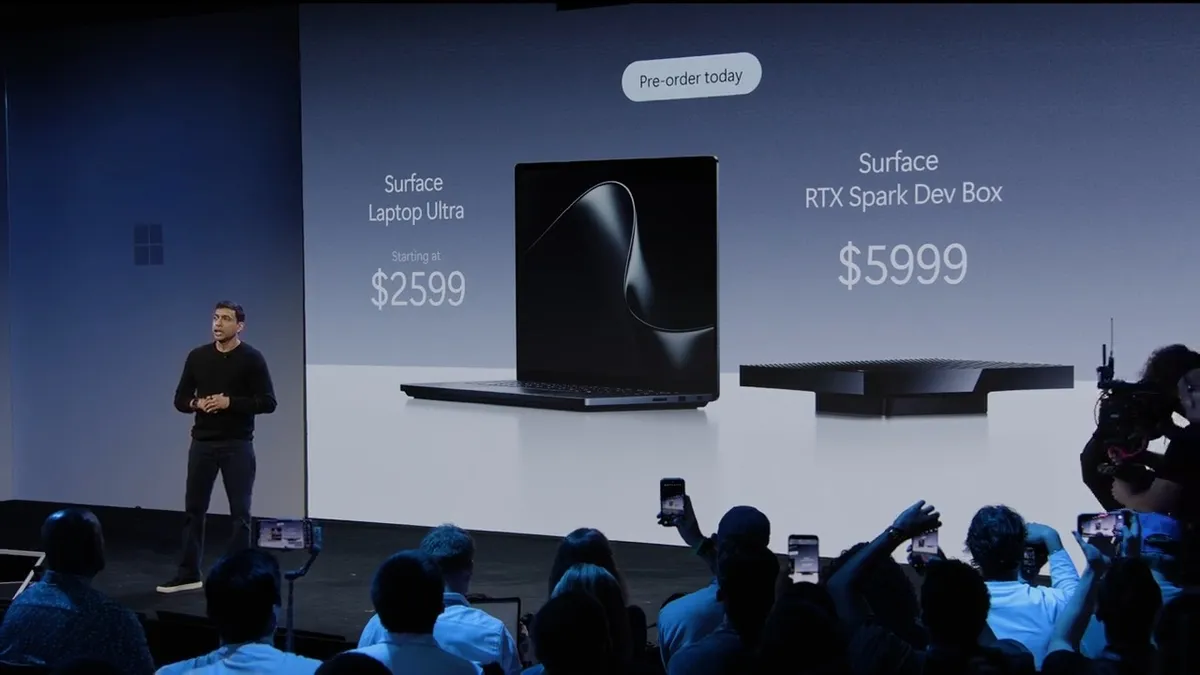
Microsoft lists the Surface RTX Spark Dev Box at $5,999 MSRP, pre-order exclusive to Microsoft.com in the U.S., shipping November 2026, built on the NVIDIA RTX Spark Superchip.
Microsoft lists the Surface RTX Spark Dev Box at $5,999 MSRP, available for pre-order exclusively on Microsoft.com in the United States, with shipping beginning in November 2026. The page is the Microsoft Devices Blog post dated October 7, 2026, written by Brett Ostrum, Corporate Vice President, Surface. One machine, one price, one channel.
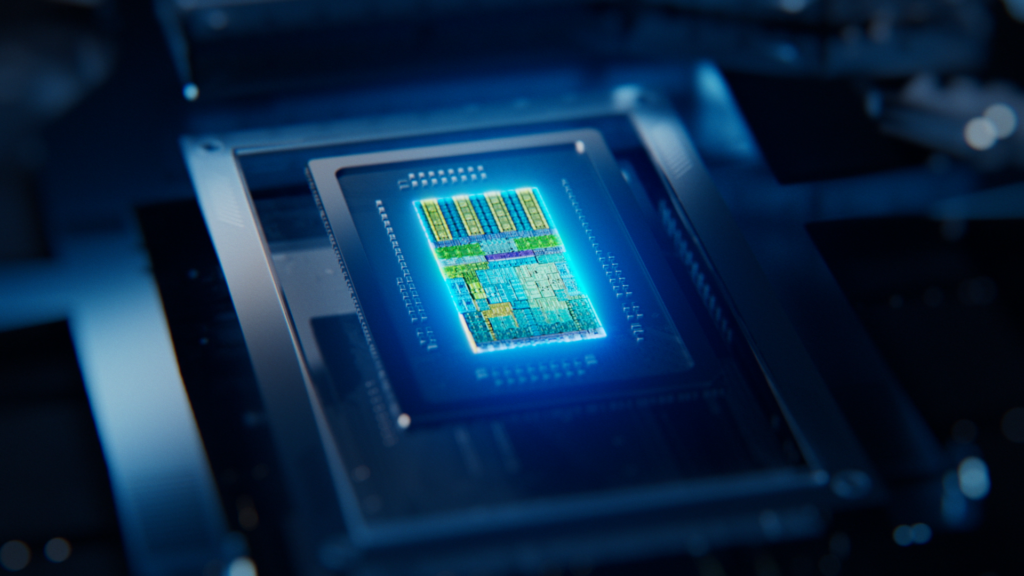
The platform is the NVIDIA RTX Spark Superchip, the same silicon that powers the Surface Laptop Ultra. The Dev Box carries up to 128 GB of unified memory, dynamically shared between CPU and GPU. The vendor states it supports AI models exceeding 120 billion parameters with large context windows. No separate GPU memory figure is given; footnote 1 clarifies that the maximum addressable by the GPU depends on system configuration and workload and is less than the 128 GB total.
The headline number is 1 petaflop of AI performance. That figure is theoretical, stated in FP4 precision with the sparsity feature enabled. Footnote 2 points to an NVIDIA press release as the basis. It is not a sustained throughput number, not a dense FP8 or FP16 figure, and not a measurement taken on a physical unit. A buyer who reads "1 petaflop" without that footnote will overstate what the box delivers in a dense, unsparsified workload.
The $5,999 is the only price the page lists. There is no configuration breakdown, no tiered pricing, no "starting at" language that implies a lower entry point. The headline numbers—"up to 128 GB," "up to 1 petaflop"—describe the ceiling of the platform, not necessarily what the $5,999 unit ships with. The document does not say whether the base configuration carries less memory or a lower core count. The stretch between the price and the peak is unquantified.
Out of the box, the Dev Box ships with Visual Studio Code, Git, GitHub CLI, GitHub Copilot, WSL, Python, and Node. Microsoft groups it under the Project Zenith family of devices. The stated intent is to reduce environment setup time: a developer unboxes the unit and has a working local inference stack without manually installing a container runtime or configuring a CUDA path. Whether that pre-loaded state survives a Windows feature update or a driver refresh is not addressed anywhere on the page.
The agent governance layer is the part that separates this from a generic GPU box. Microsoft Execution Containers provide containment for agents. Upcoming Windows capabilities will use Microsoft Entra to distinguish agent activity from user activity and extend Microsoft Agent 365 controls to local agents on-device. The vendor frames this as "governed, scalable AI development without spending a cloud token on every step." The mechanism is plausible, but the page does not describe what happens when an agent exceeds its container boundary or how resource allocation is enforced between concurrent agents.
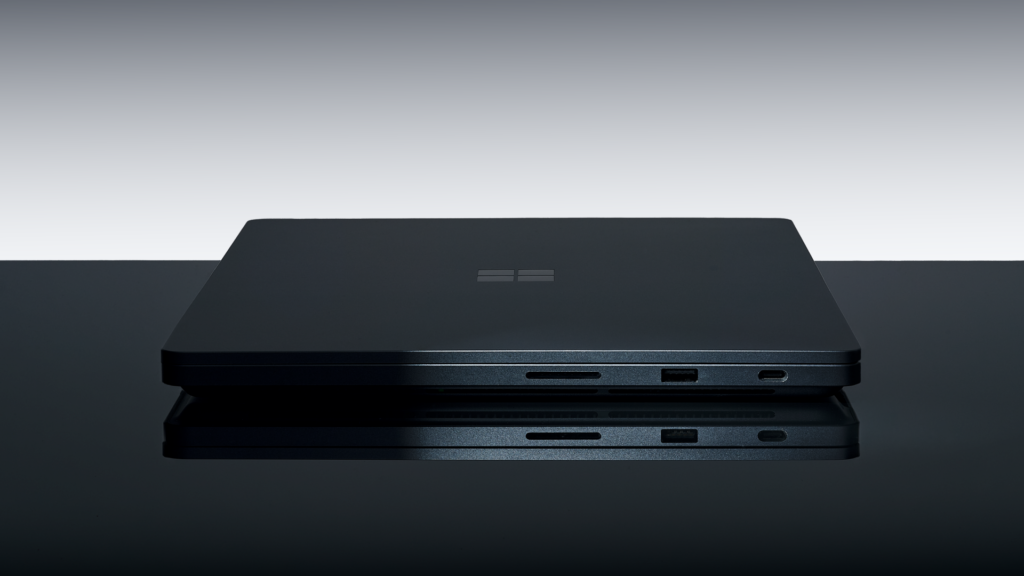
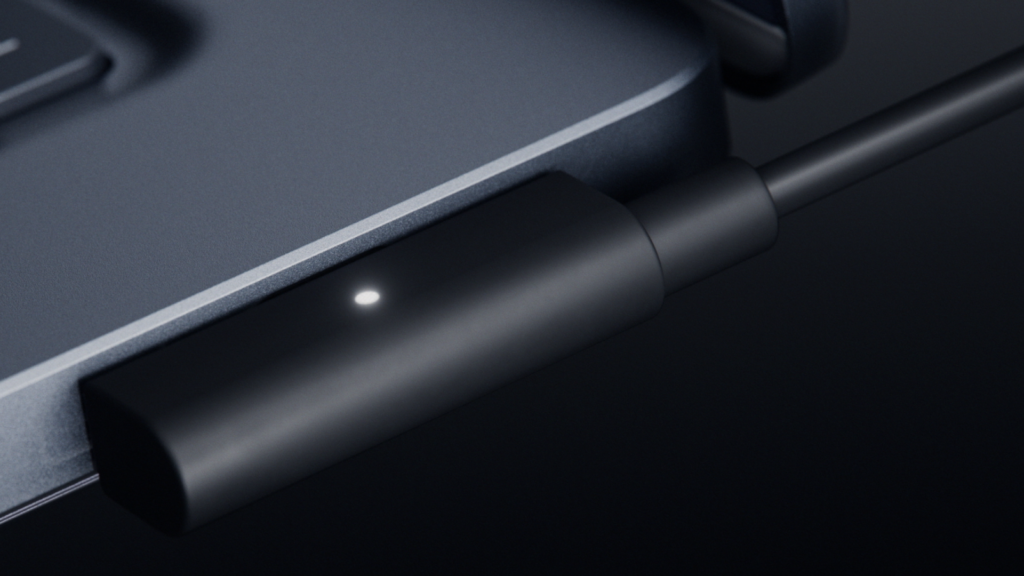
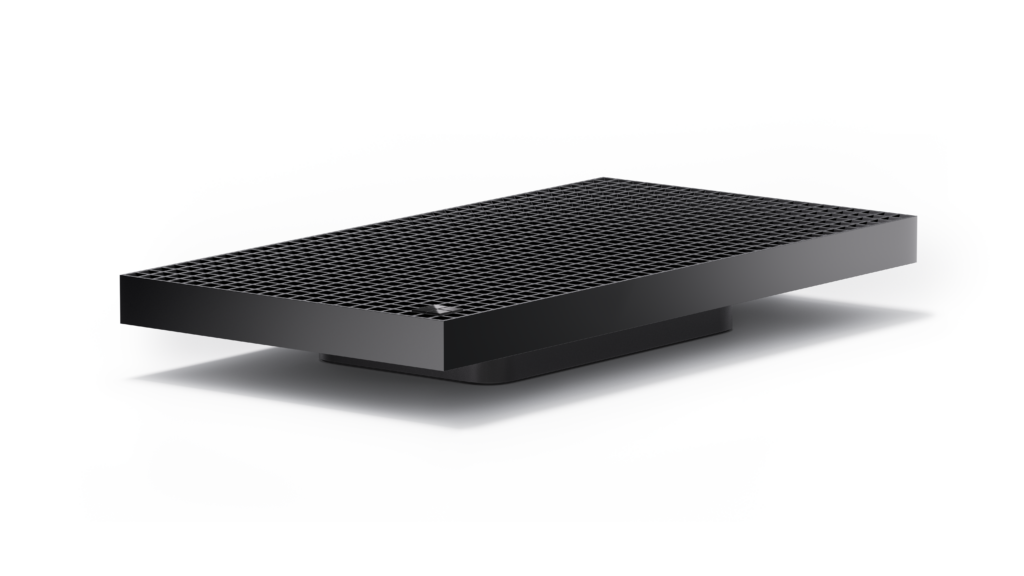
The Surface Laptop Ultra, the other device in the same pre-order announcement, shares the RTX Spark platform and the 128 GB memory ceiling, but it is a 15-inch laptop with a PixelSense display and magnetic USB-C charging. The Dev Box is the desk variant of the same silicon, stripped of the display and the port array.
The document is thin on the Dev Box specifically. The laptop section carries detailed specs—thermal architecture, display brightness, chassis dimensions, port list. The Dev Box section is roughly a third of that length. No physical dimensions, no power draw, no fan specification, no acoustic figure. The page does not say whether the unit is a single-socket or dual-socket design, whether the 128 GB is LPDDR or HBM, or what the memory bandwidth is. The research pass returned no independent measurement or teardown, and no wire outlet in the packet contradicts or extends the vendor's own text.
The desk's judgment: the buyer who needs a local inference box for models exceeding 120B parameters, who wants to avoid per-token cloud billing, and who is already in the Microsoft ecosystem will find a coherent product at a known price. The buyer who needs dense FP8 throughput for training, or who needs to verify that the 128 GB is actually available to the GPU under a specific workload, cannot do that from this page. The constraint is not the silicon; it is the absence of a measured number. The fab question—what process node the RTX Spark uses, what the TDP is, what the memory interface is—remains outside the document entirely.
What is still unmeasured: the actual sustained FP4 throughput with sparsity on a shipping unit, the dense FP8 or FP16 performance, the memory bandwidth of the unified pool, the power consumption under load, and the physical dimensions of the chassis. The page gives a price and a theoretical peak. It does not give a number a buyer can put in a capacity plan.
The $5,999 price is fixed, but the configuration it buys is not specified against the 128 GB and 1 petaflop ceilings, so the buyer cannot verify whether the base unit reaches those numbers. The document proves a product exists at a price; it does not prove a performance floor.
No dense FP8 or FP16 throughput, no memory bandwidth, no power draw, no physical dimensions, and no independent benchmark appear in the document.
The vendor publishes a single SKU price with no tier breakdown, a theoretical FP4-with-sparsity peak, and no measured throughput. The unified memory architecture means GPU-addressable capacity is workload-dependent, so the 128 GB figure is a ceiling, not a guarantee. Without a dense-precision number or a memory bandwidth figure, a capacity planner cannot model this box against a cloud alternative.
$5,999 MSRP, U.S. only, Microsoft.com exclusive · Up to 128 GB unified memory, CPU/GPU shared · 1 petaflop AI performance, theoretical FP4 with sparsity · Supports models exceeding 120B parameters · NVIDIA RTX Spark Superchip platform · Pre-loaded: VS Code, Git, GitHub CLI, WSL, Python, Node
After blogs.windows.com. We did not report this. The pictures, if any, are theirs. Also filed by The Verge AI, videocardz.com.