Core 2000HX keeps Raptor Lake in the HX tier
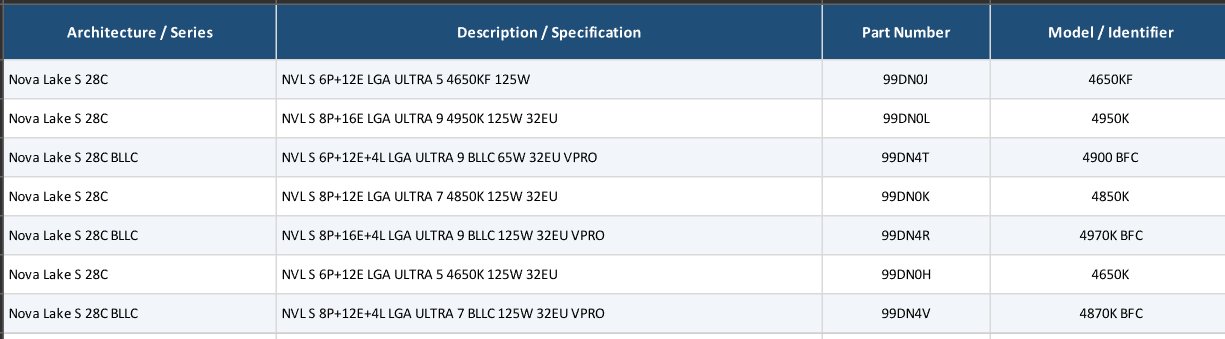
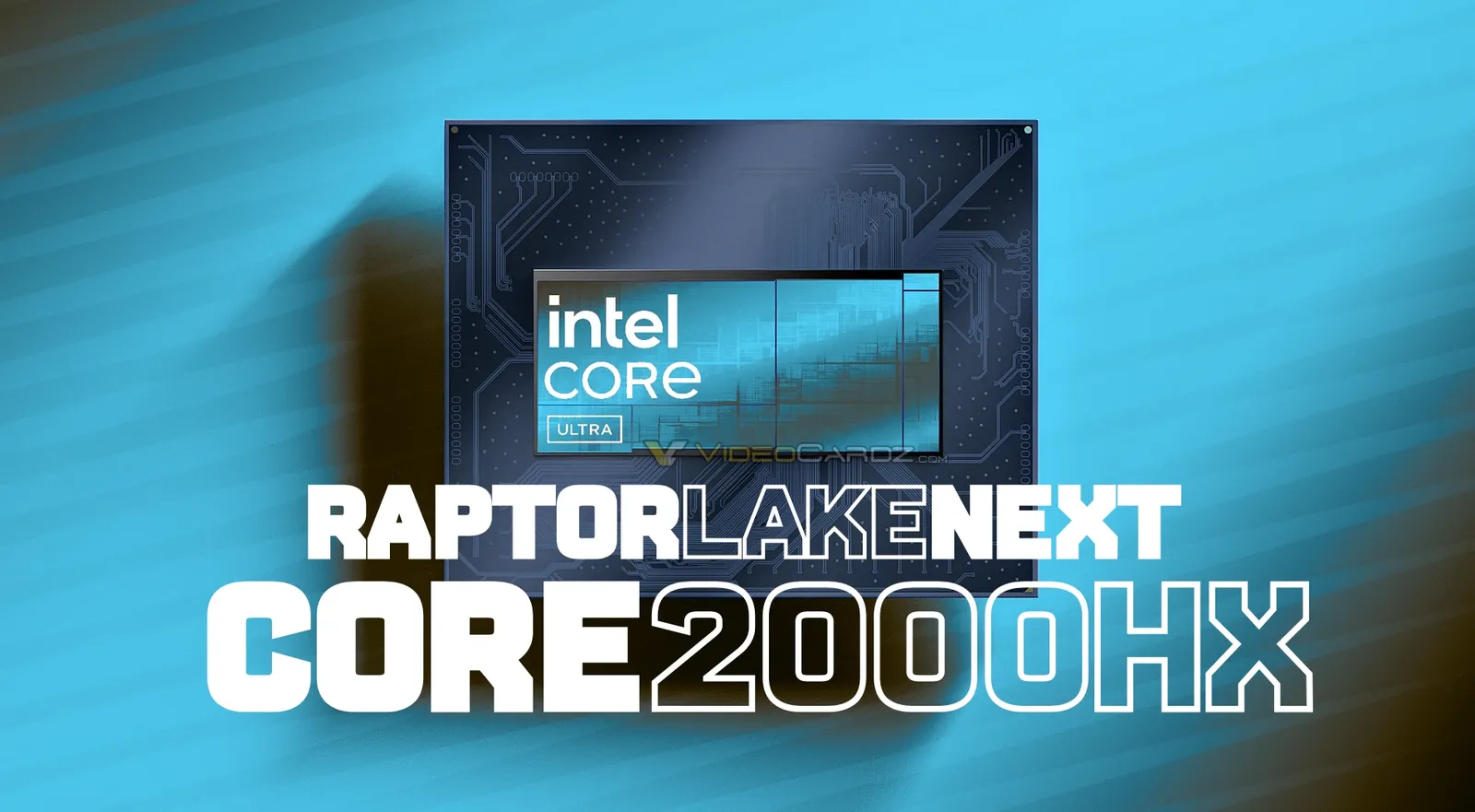
The reported Core 2000HX series attaches Raptor Lake Next to mobile HX laptops with 8P+16E, 8P+12E, and 6P+8E core shapes.
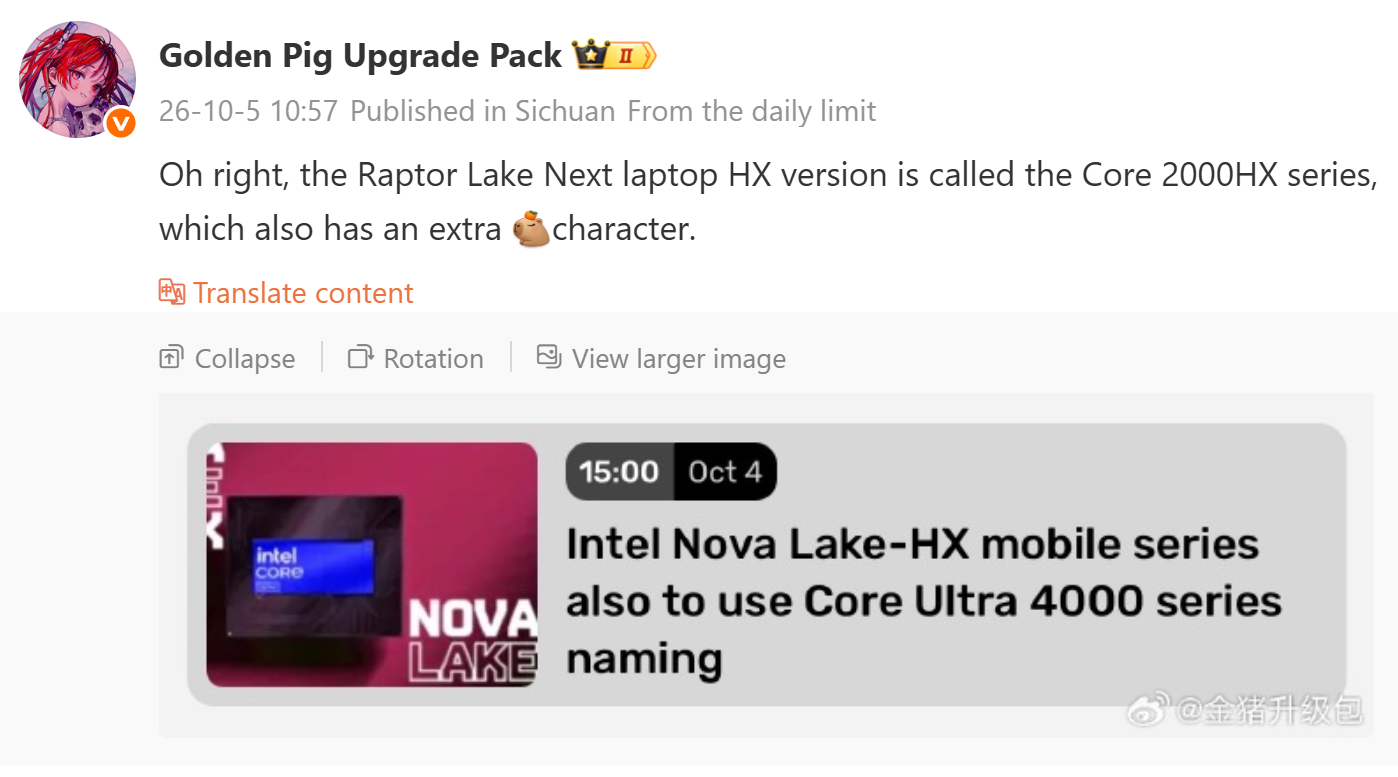
A Core 2000HX series is attached to the mobile HX version of Raptor Lake Next, not the earlier Core 200HX label. Listed shapes are 8P+16E for a Core 9, 8P+12E for a Core 7, and 6P+8E for another Core 7. Measurement is the 24-core 8P+16E shape, and it sits inside the tier only as a naming boundary, not as a new architecture.
Die Brief reads the constraint as Intel's, not the buyer's: the four-digit name keeps Raptor Lake Next away from Core 200H and Core Ultra 200HX, but it does not prove a step change. The VideoCardz note gives core shapes, not a measured envelope, so a buyer cannot tell whether the 24-core part is a refresh. For the fab, the useful fact is that the HX tier would be filled with older architecture, which weakens any assumption that 2027 HX parts require new silicon.
What remains unmeasured is the performance boundary: no clock, TDP, node, or price appears in the note. Until those numbers exist, the Core 2000HX label is a naming correction, not a performance measurement.
The constraint is Intel's naming and architecture reuse, not a measured performance step. The document does not prove clocks, TDP, node, or price, so buyers should treat the 24-core HX part as a refresh until those numbers appear.
Clock speeds, TDP, process node, and price are not in the document.
The four-digit Core 2000HX label separates Raptor Lake Next from Core 200H and Core Ultra 200HX. The missing clock, TDP, node, and price data leave the performance boundary unmeasured.
Core 2000HX · 8P+16E · 24 cores · 8P+12E · 20 cores · 6P+8E
After videocardz.com. We did not report this. The pictures, if any, are theirs.