RTX 5070 Ti GDDR7 hits 39 Gbps, one below the controller ceiling
A GeForce RTX 5070 Ti was overclocked from 28 to 39 Gbps on GDDR7, sitting one Gbps below the 40 Gbps HYDRA controller ceiling.
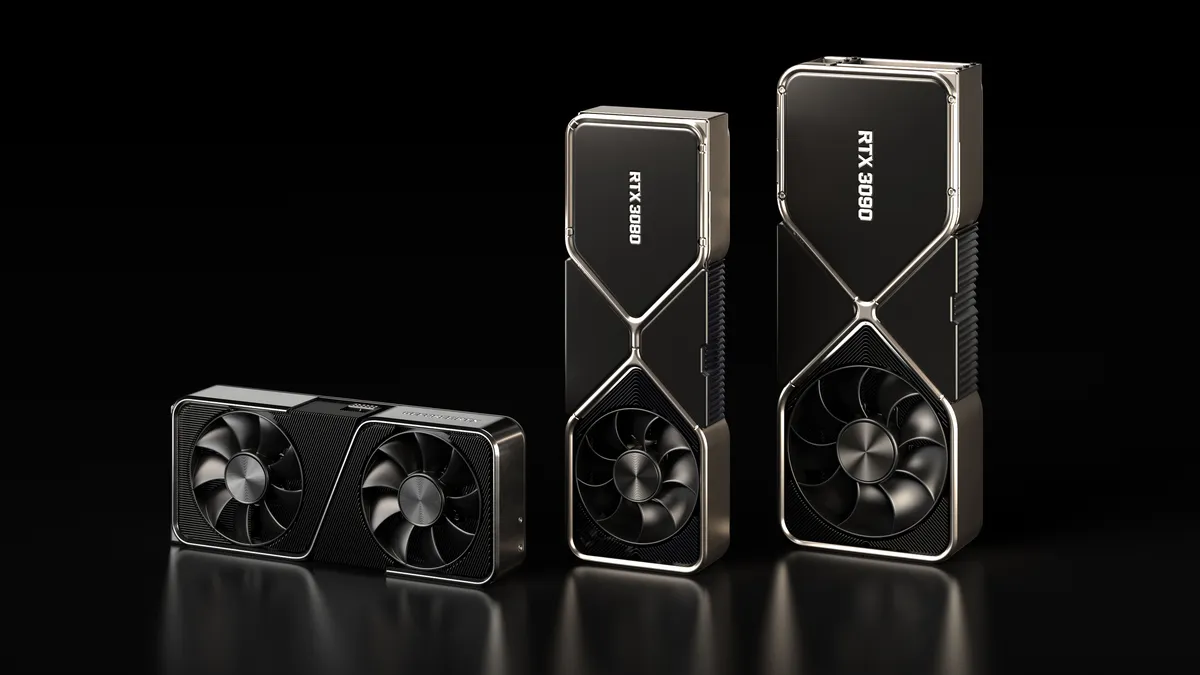
The working assumption was that GDDR7 on the RTX 5070 Ti sat at a fixed 28 Gbps with no meaningful tuning headroom. A VideoCardz post from September 30 reports a card running at 39 Gbps, a 39 percent increase over the stock figure.
The number that matters more than 39 is 36. A commenter identified as 1usmus noted that the HYDRA memory controller carries a 36 Gbps stability restriction, and that HYDRA unlocks push the entire line—except the RTX 5090—to 40 Gbps. The 28 Gbps stock speed is therefore not a physical ceiling on the GDDR7 chips; it is a conservative operating point set well below the controller's stability gate.
At 39 Gbps the 5070 Ti sits one Gbps below the 40 Gbps controller ceiling. The GDDR7 packages are not the binding constraint at this speed; the memory controller's timing margins are. The 36 Gbps HYDRA restriction exists to keep signal integrity intact across the full production population, not because the chips cannot clock higher.
Die Brief's read: the document proves a single card hit 39 Gbps. It does not prove sustained stability, thermal behavior, or that the result generalizes across board partners. What it does establish is that NVIDIA's 28 Gbps stock speed leaves roughly 43 percent of the controller's usable range unclaimed. For a buyer, that headroom is real but unverified; for a fab, it confirms the GDDR7 packages are not the bottleneck at these speeds.
What is still unmeasured: power draw at 39 Gbps, junction temperature under sustained load, and whether the result holds across a production batch rather than a single sample. The next data point to watch is whether any board partner ships a BIOS revision that moves the stock speed toward the 36 Gbps HYDRA gate. Until then, 39 Gbps is a lab curiosity, not a spec.
The 28 Gbps stock speed leaves roughly 43 percent of the controller's usable range unclaimed, confirming the GDDR7 packages are not the bottleneck. The document proves a single card hit 39 Gbps but does not prove sustained stability or generalizability across board partners.
The binding constraint at 39 Gbps is the HYDRA memory controller's timing margins, not the GDDR7 packages. The 36 Gbps stability gate and 40 Gbps unlock ceiling define the operational envelope; 28 Gbps is a conservative default, not a physical limit.
Stock GDDR7 speed: 28 Gbps · Overclocked speed: 39 Gbps · HYDRA stability restriction: 36 Gbps · HYDRA unlock ceiling (line minus 5090): 40 Gbps
After @VideoCardz. We did not report this. The pictures, if any, are theirs.