CPU lead times double to 25-30 weeks as agentic AI reshapes allocation
TrendForce reports CPU lead times have stretched to 25-30 weeks from a 16-20-week baseline, driven by dedicated-VM allocation for personal AI agents like Meta's Muse.
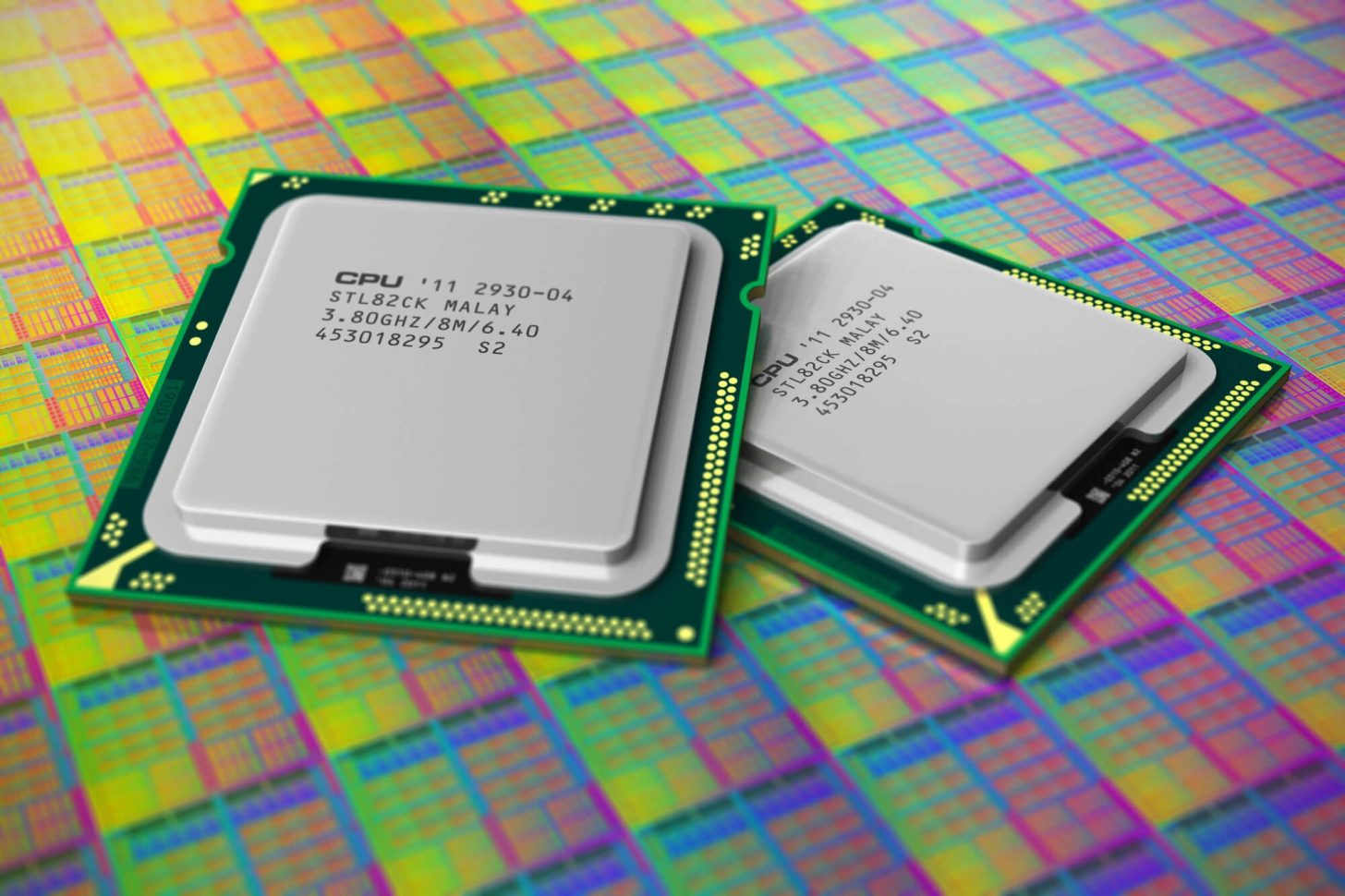
That is the current CPU lead time, nearly double the 16-to-20-week threshold TrendForce considers a balanced market. The figure appears in the firm's weekly radar, published September 28, 2026, and it marks the first sustained dislocation in server CPU allocation since the GPU-centric AI buildout began redirecting wafer capacity toward accelerators.
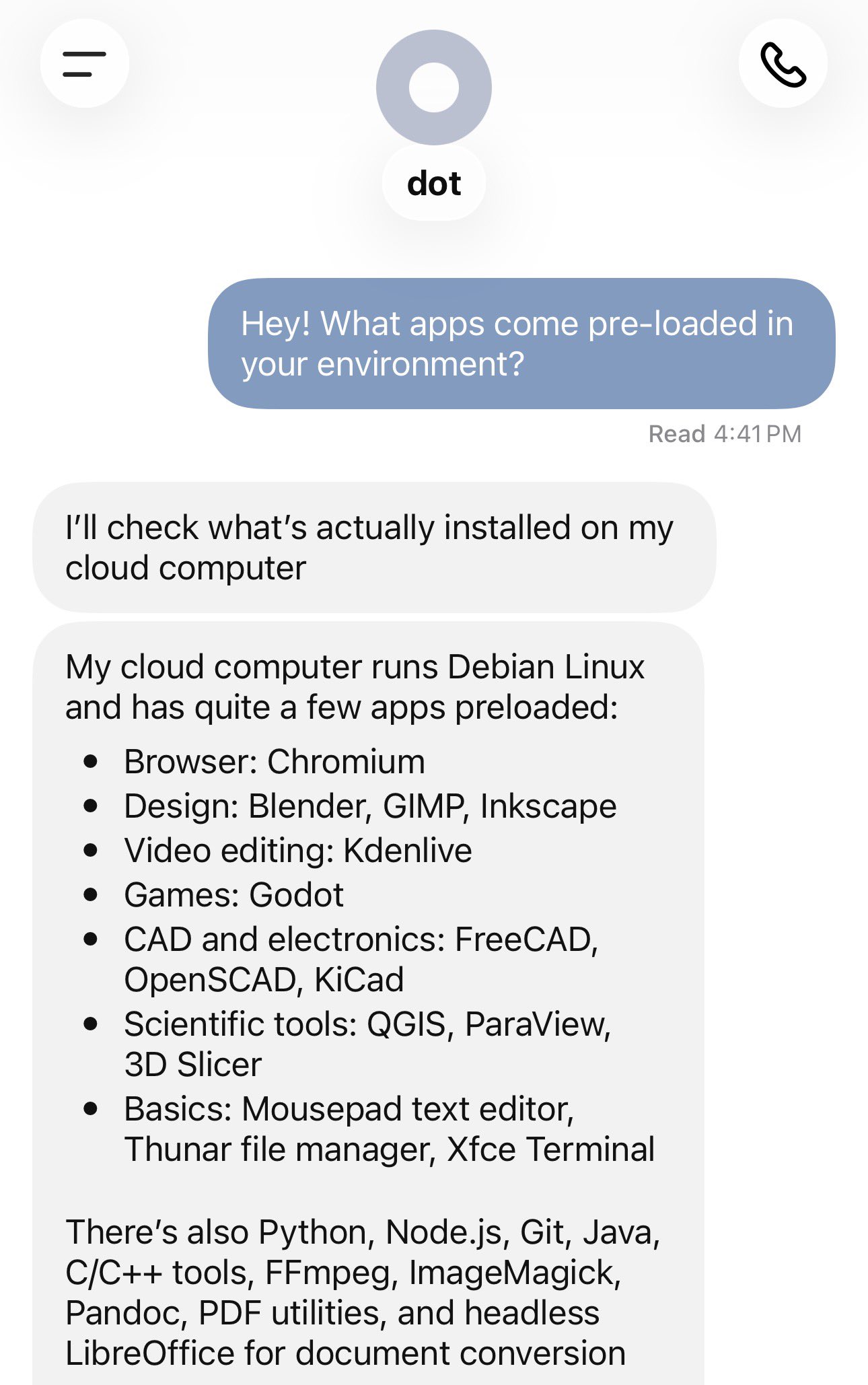
The scarce input is not raw silicon but the orchestration layer that agentic workloads demand. Meta's Muse assigns each user a dedicated virtual machine — 2 vCPUs, 8 GB of RAM, 100 GB of SSD — running inside an isolated cloud environment with a Sentinel guardrail that monitors transactions. The agent spends the majority of its lifecycle waiting for model responses, user input, or tool results, yet the VM must remain live and holding memory state. That idle-but-reserved posture converts what looks like a GPU-bound inference problem into a sustained CPU allocation problem, and it is the mechanism behind the lead-time expansion.
Freda Duan's September 27 analysis separates the naive one-VM-per-user assumption from the actual oversubscription model. At 100 million DAUs with a 2-hour daily average, the arithmetic yields 8.33 million concurrent VMs; applying a 2.5× peak-to-average factor and 20% spare capacity for spikes and failures lands on 25 million live VMs. Duan benchmarks density against DeepSeek's DSec sandbox platform, which runs roughly 160 nodes, 30,000 physical cores, and over 380,000 concurrent sandboxes at a stable density of about 800 microVMs per node — 188 cores per node, or 0.235 cores per live microVM. Widening for Meta's likely lower efficiency, Duan sets the range at 0.3 to 0.75 physical cores per live VM and picks 0.5 as the base case, producing 12.5 million physical CPU cores for the 25-million-VM scenario. In the 4-hour high-use case, the figure doubles to 50 million VMs and 25 million cores.
What the source does not pin down: which foundry or process node is the binding constraint, whether the 25-to-30-week figure applies to server-class parts specifically or spans the full CPU portfolio, and when TrendForce expects normalization. The Jevons Paradox question — whether faster inference shrinks per-VM core allocation or simply pulls more agents online and erases the efficiency gain — remains unresolved in the source. No analyst provides a dated forecast for when lead times retreat below the 20-week mark, and no specific SKU or node is named as the bottleneck.
Watch the next two TrendForce radars for whether the 25-to-30-week band holds, widens, or begins to compress. The critical variable is the intersection of Muse DAU growth and inference latency: if DAUs scale faster than per-token latency drops, the 0.5-cores-per-VM base case becomes conservative, and the 12.5-million-core figure understates the actual pull on server CPU supply. Spear Street Technology's Instinct, mentioned in the same TrendForce radar, adds a second demand vector that the source does not quantify.
The 0.5-cores-per-VM base case is the load-bearing assumption; if inference latency drops faster than DAU growth the figure tightens, but Jevons effects could offset. The 25-30 week lead time is a capacity signal, not a demand forecast — it tells you allocation is constrained, not that demand is infinite.
Lead times: 25-30 weeks (vs 16-20 balanced) · Muse VM: 2 vCPUs, 8 GB RAM, 100 GB SSD · Base case: 12.5M physical cores for 100M DAU · DeepSeek DSec: 0.235 cores per live microVM
After Wccftech Hardware. We did not report this. The pictures, if any, are theirs.