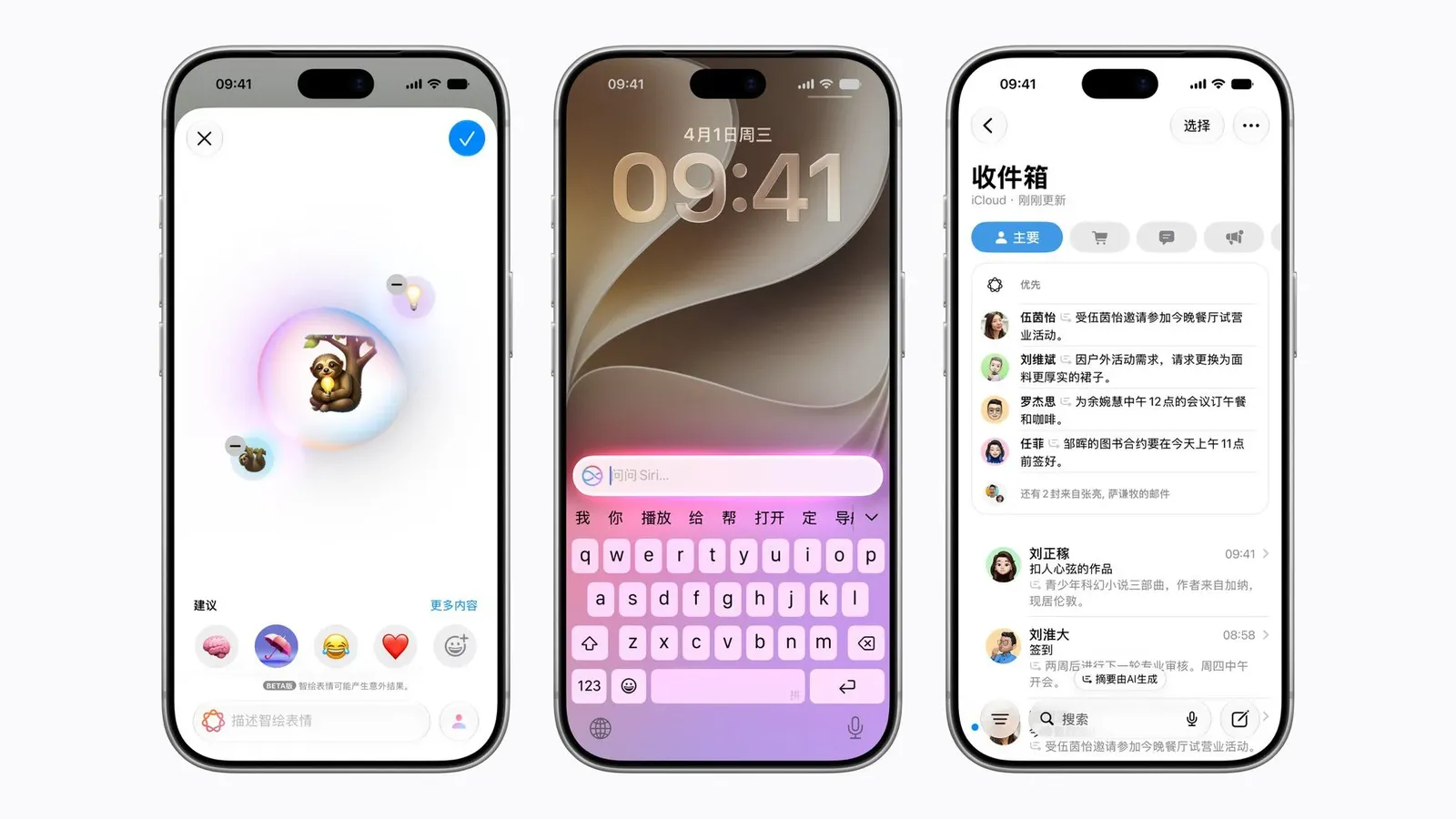
Apple Intelligence ships to China with iOS 27.3 and a Qwen routing layer
Apple's China newsroom post dated October 31, 2026, sets a November 4 developer beta and a December iOS 27.3 release for the first batch of Apple Intelligence features in China.
| Apple Intelligence (China) | |
|---|---|
| Developer beta | November 4, 2026 |
| Full release | December 2026, iOS 27.3 |
| Supported devices | iPhone 16 and later, iPhone Duo, iPhone 15 Pro, iPhone 15 Pro Max, iPhone Air |
| Language requirement | English and Simplified Chinese |
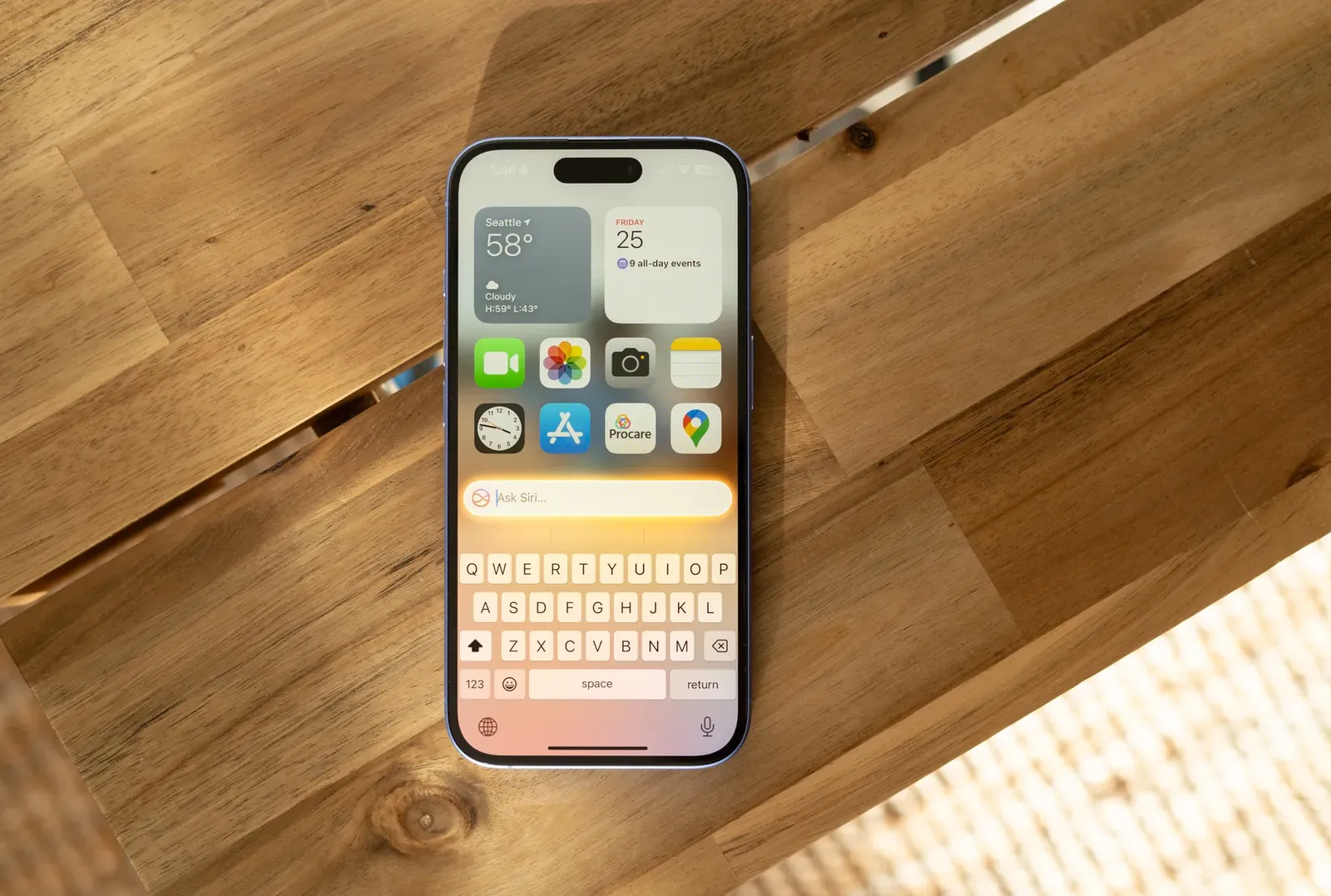
| Qwen integration | Siri, writing tools, visual intelligence |
| Excluded from this release | Siri AI, WWDC 2026 next-gen Apple Intelligence features |
The Apple China newsroom post dated October 31, 2026, states that the first batch of Apple Intelligence features ships to Chinese iPhone users in December with iOS 27.3, with a developer beta opening November 4. The page is a vendor announcement, not a desk report, so every figure below is Apple's own and carries no independent verification.
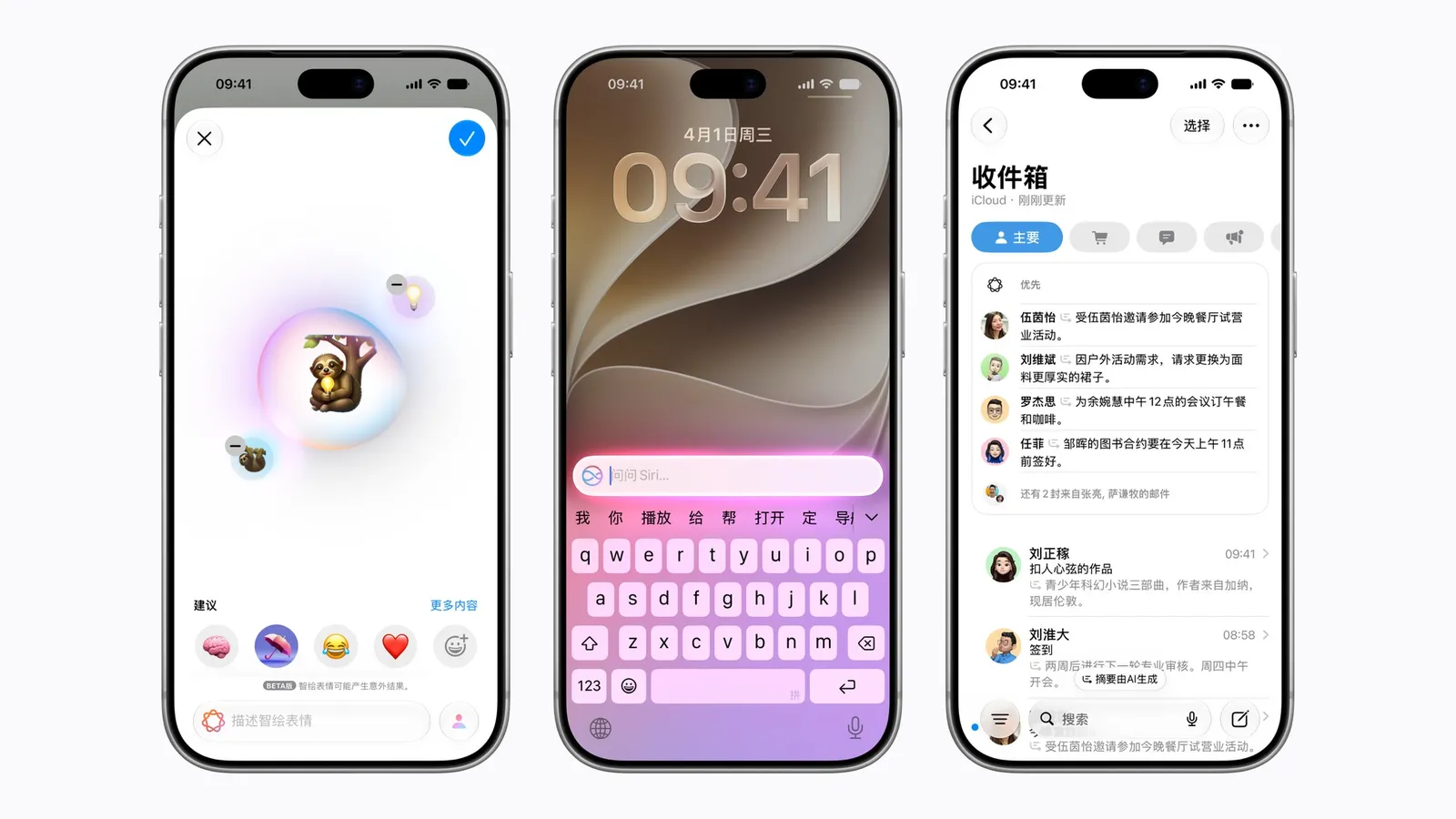
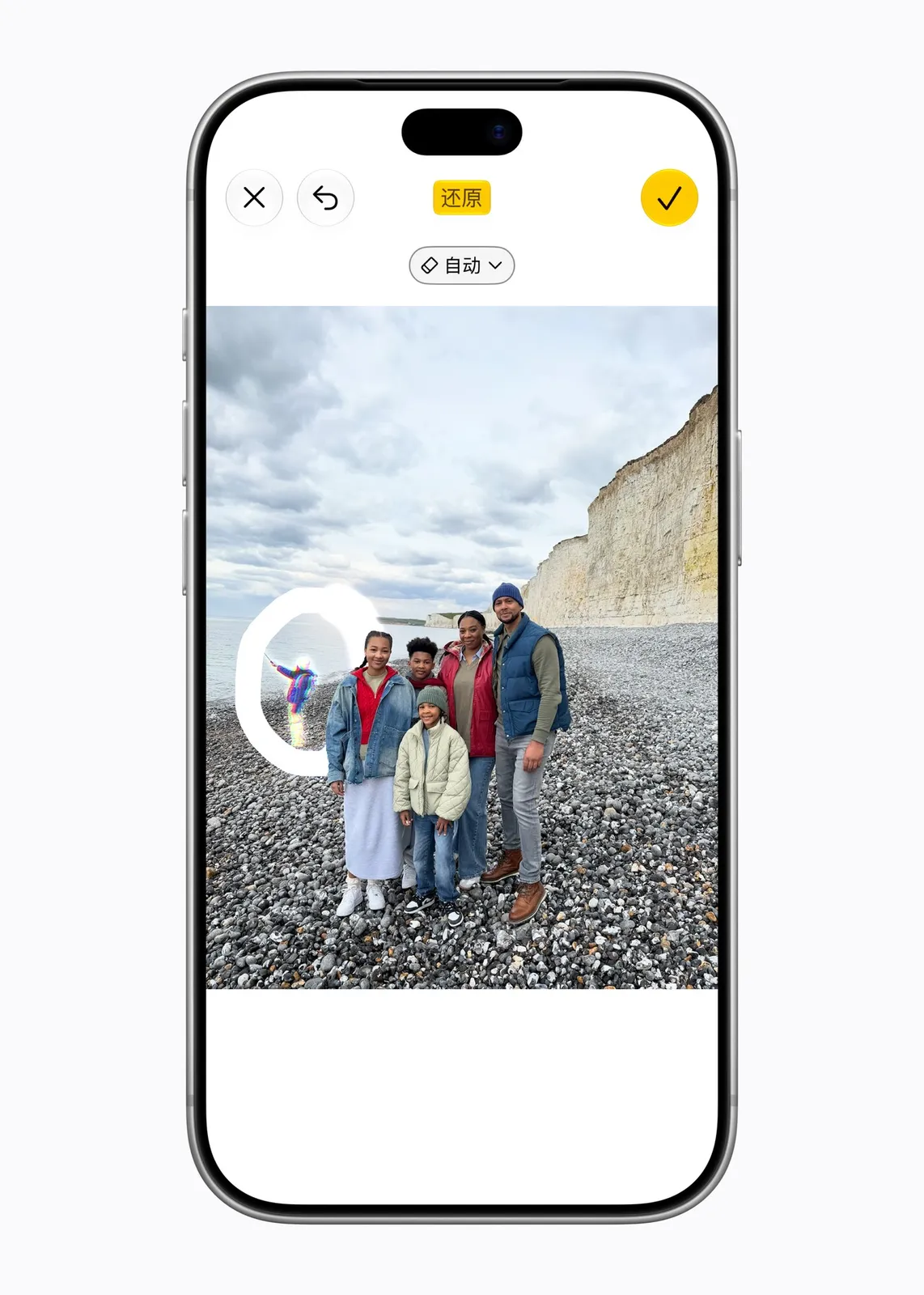
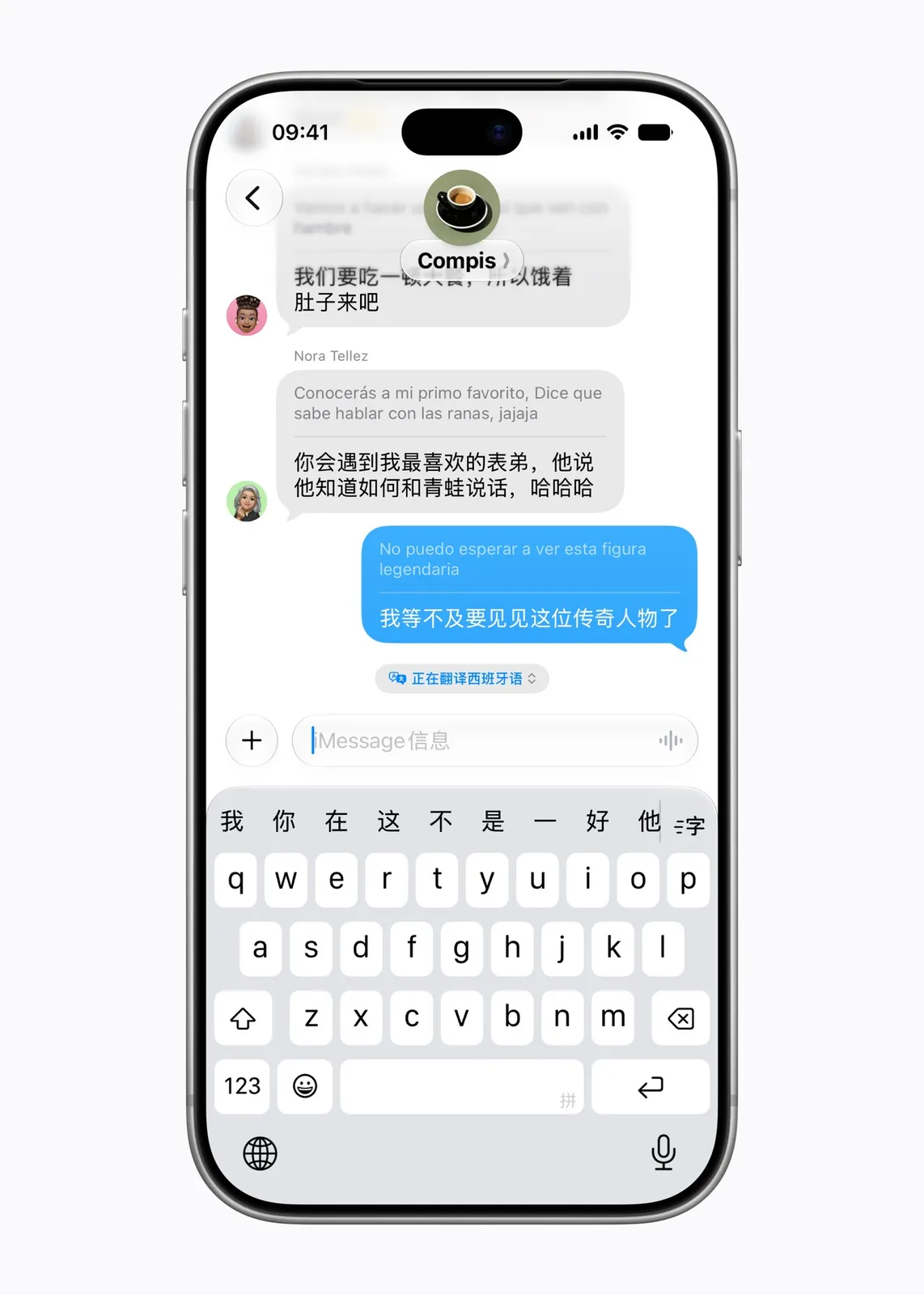
The feature set covers real-time translation in Messages, FaceTime, and Phone; writing tools for rewrite, proofread, and summarize; visual intelligence through the camera; a photo cleanup tool; Genmoji; natural-language photo search; priority mail; mail summaries; smart replies; notification summaries; and audio transcription summaries in Notes and Phone. Siri gains text-input conversation, and for specific requests it routes to Alibaba's Qwen model for text and image understanding. The partnership is the structural point: Apple's own generative model drives the base features, but Qwen handles a defined slice of inference for the Chinese market. Users log into a Qwen account or use Apple Sign-In to reach it. Real-time translation also works through AirPods 5, AirPods 4 with active noise cancellation, AirPods Pro 2 and later, and AirPods Max 2.
The document is explicit about what is not in this release. Siri AI and the other next-generation Apple Intelligence features announced at WWDC 2026 are excluded. The supported device list is iPhone 16 and later, iPhone Duo, iPhone 15 Pro, iPhone 15 Pro Max, and iPhone Air, with Siri and device language both set to English and Simplified Chinese. Other platforms are deferred pending what the page calls "necessary approvals," with no date attached.
The table does not prove where Qwen inference runs. The login requirement implies a server round-trip for at least some requests, but the page states no latency budget, no token limit, and no indication that model weights sit on the A-series chip. For the fab, the constraint is the language gate: English plus Simplified Chinese is a hard requirement, which means the on-device model must carry at least two tokenizers and two context windows before a single user query is parsed. For the buyer, the exclusion of Siri AI means the next-generation model announced at WWDC 2026 is not in this build, and the page gives no timeline for when it reaches China. The device list also excludes iPhone 14 and earlier, which narrows the addressable base to roughly two generations of hardware.
What is still unmeasured: the page names no benchmark, no latency figure, no memory footprint for the on-device model, and no price. The Qwen integration is described as a routing decision, not a co-located model, and the page does not say whether inference for Qwen requests happens on Apple hardware, Alibaba infrastructure, or both. The phrase "necessary approvals" for other platforms carries no deadline, and the page does not name which regulator or which approval is pending.
The Qwen routing layer is the architectural constraint: Apple's on-device model handles the base feature set, but a defined slice of inference exits the device and lands on Alibaba infrastructure, which the page confirms only by the login requirement. The language gate of English plus Simplified Chinese is a hard floor that forces dual tokenizer support before any query is parsed.
The page states no latency figure, no token limit, no memory footprint for the on-device model, and no deadline for the "necessary approvals" gating other platforms.
The document confirms a split-inference topology: Apple's generative model on-device for base features, Qwen for a named subset (Siri requests, writing creation, visual intelligence). The login requirement is the only evidence of a network round-trip. The language gate (English + Simplified Chinese) is a hard constraint on the on-device model's tokenizer and context budget. No latency, token limit, or memory figure is stated.
After apple.com.cn. We did not report this. The pictures, if any, are theirs. Also filed by MacRumors, 9to5Mac, The Verge AI.