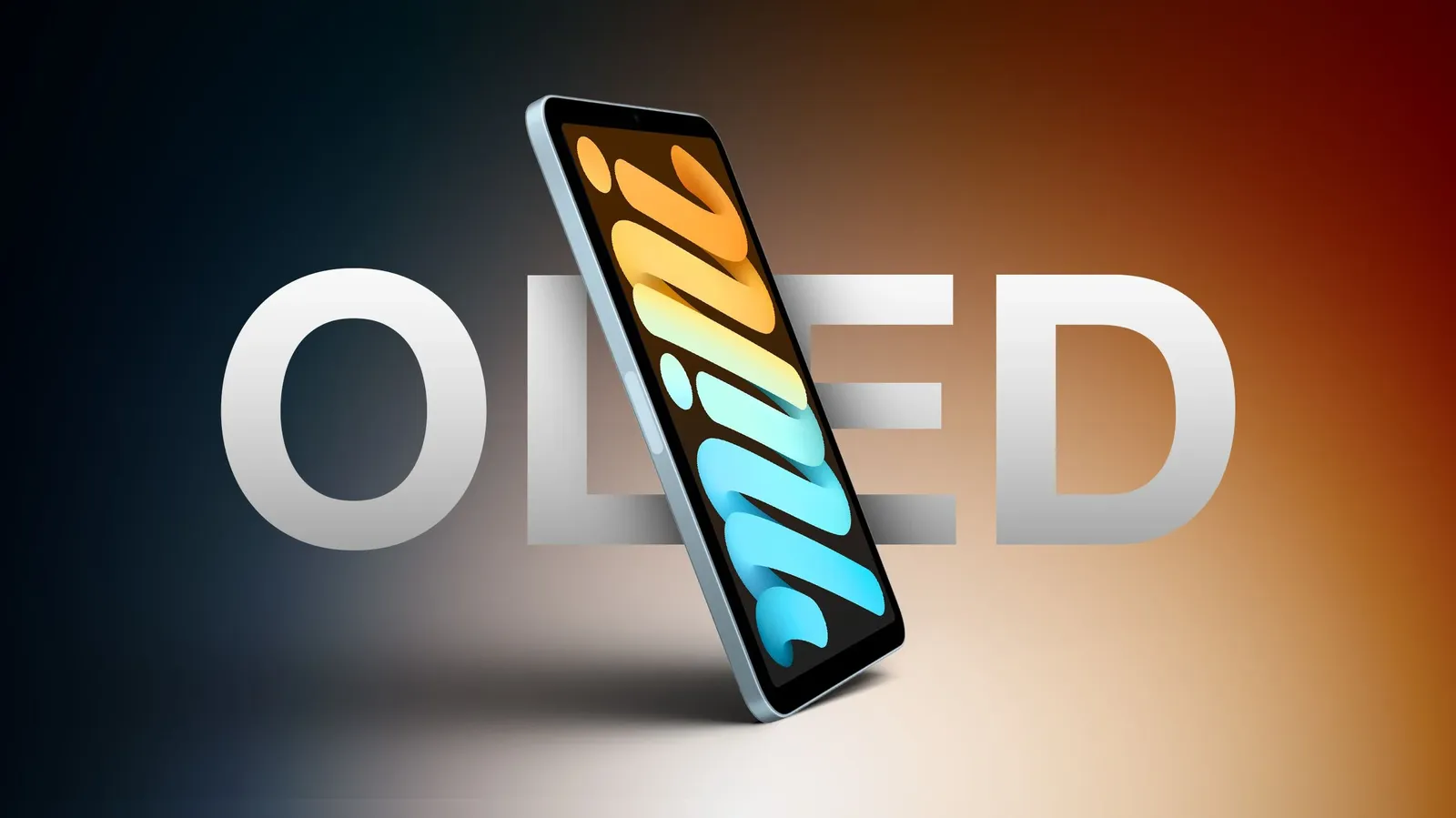
IPad mini gets an 8.5-inch OLED and a 32-core Neural Engine
Apple's Newsroom page names an 8.5-inch OLED display and a Dual 16-core Neural Engine for the new iPad mini, unveiled October 26, 2026, but states no price.
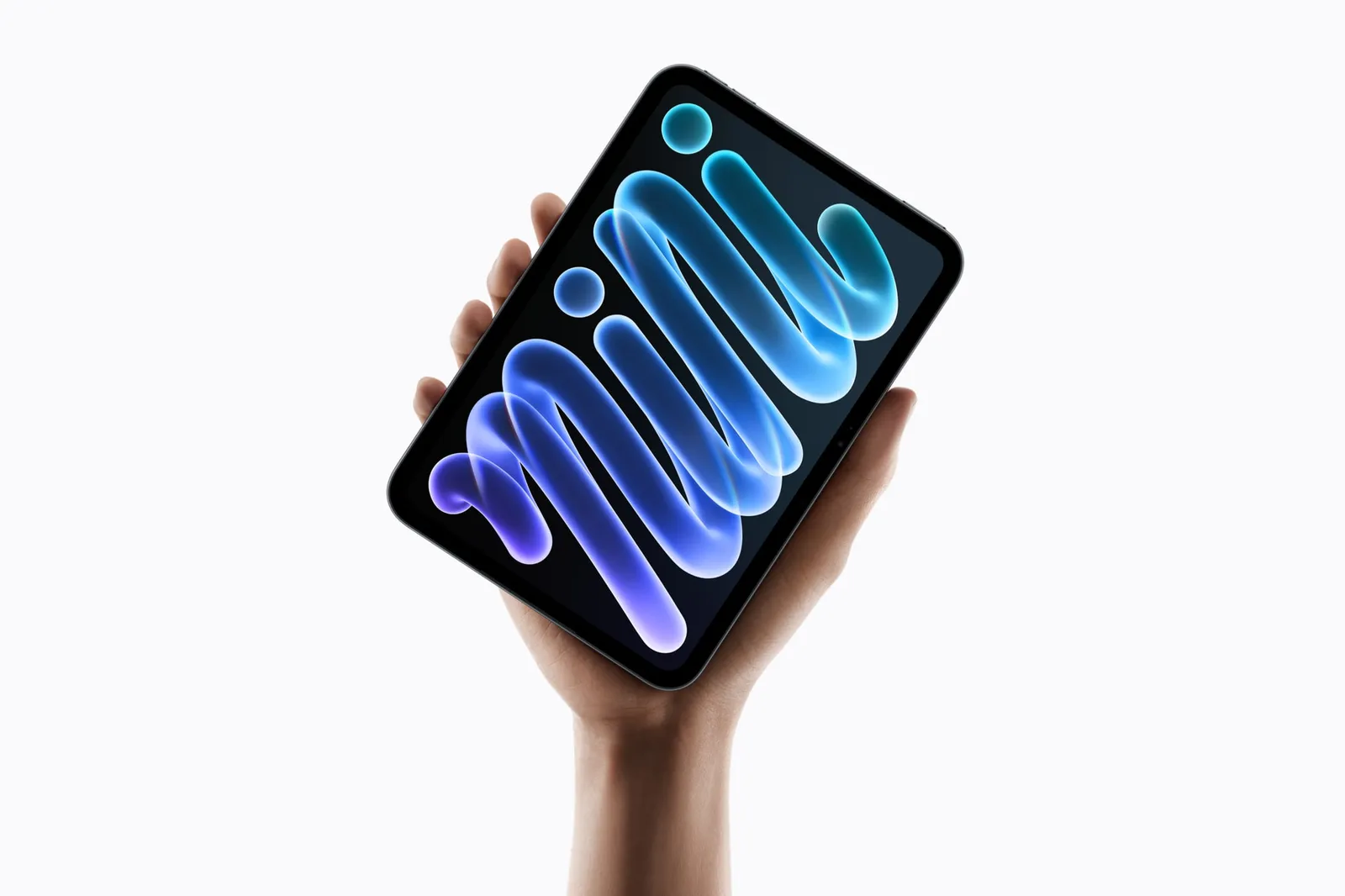
| iPad mini | |
|---|---|
| display | 8.5-inch OLED |
| chip | A20 Pro |
| Neural Engine | Dual 16-core |
| front camera | 12MP Center Stage |
| water/dust | resistant (no IP rating stated) |
| unveiled | October 26, 2026 |
Apple unveiled the all-new iPad mini on October 26, 2026, on its Newsroom page, and the page does not state a price for any configuration. The 8.5-inch OLED display is the first specification listed, and it is the largest screen Apple has placed in a mini-class tablet. The page names no SKU, no storage tier, and no release date beyond the unveiling itself.
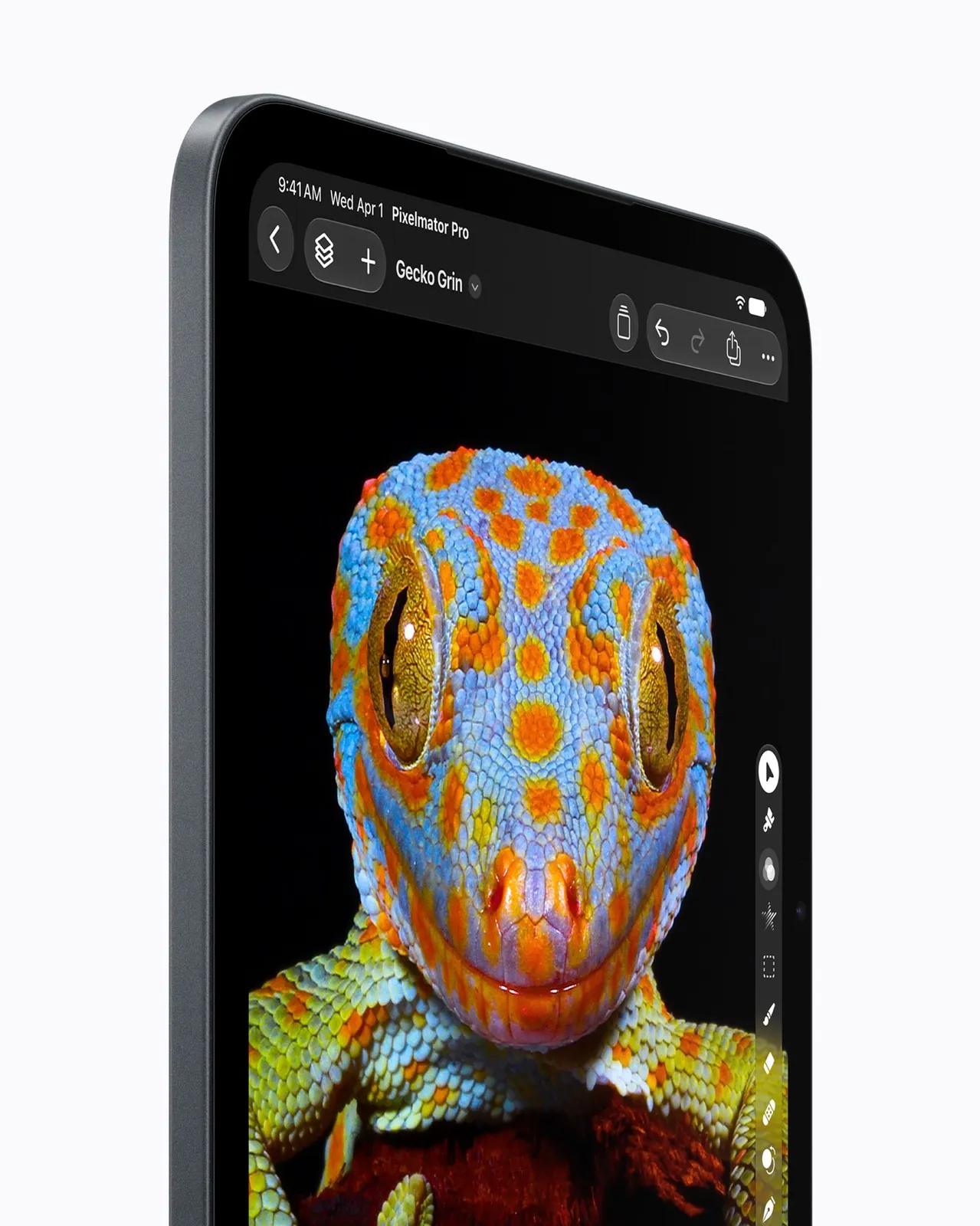
The display is an 8.5-inch OLED panel. A nano-texture option is available, which Apple has used on its larger iPads to reduce specular reflection from overhead lighting. The base configuration is the standard glass; the nano-texture is the stretch. No other display variant is named. The page omits a refresh rate, a peak brightness figure, a color gamut specification, and a pixel density. The OLED transition also changes the contrast behavior of the panel, since each pixel can be driven off individually, but the page does not state a contrast ratio or a local dimming zone count. The previous mini used an LCD panel at 7.9 inches, so the jump to 8.5 inches and to OLED is the largest physical change to the form factor since the product line began.
The processor is the A20 Pro. The page states that each GPU core carries a Neural Accelerator, and the chip includes a Dual 16-core Neural Engine. That is 32 cores dedicated to neural work, split across two clusters. No clock speed, transistor count, process node, or power envelope is given. The page is silent on whether the A20 Pro is a new tape-out or a re-binned variant of a die already in production elsewhere in Apple's lineup. The Neural Accelerator in each GPU core is an architectural element the page does not explain in terms of throughput or latency. The page does not state the number of GPU cores, the number of CPU cores, or the memory bandwidth.
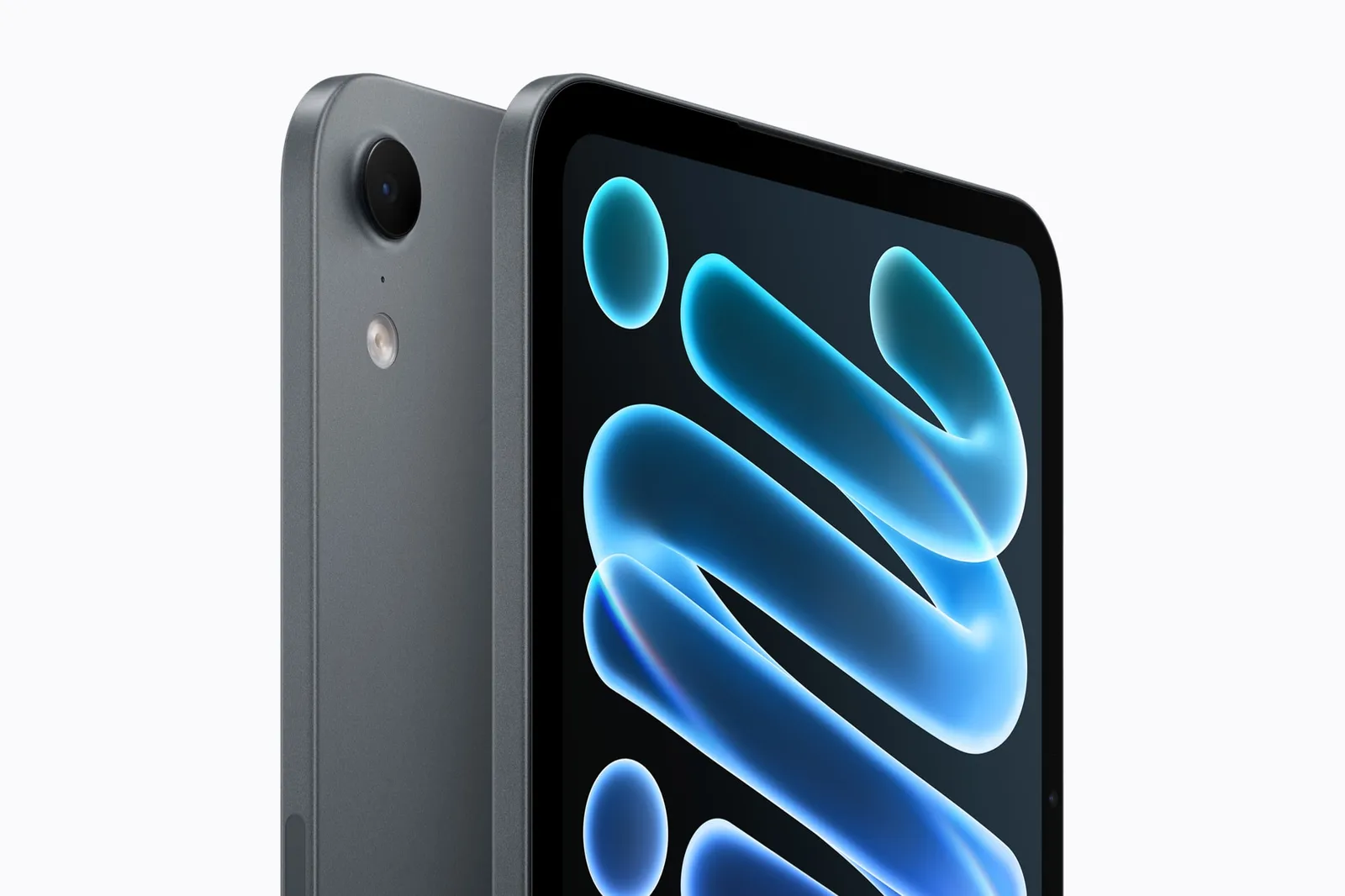
The front camera is a 12MP Center Stage unit mounted on the landscape edge. Center Stage tracks the user's position and crops the frame to keep them centered regardless of orientation. No sensor size, aperture, video resolution, or frame rate is stated. The placement on the landscape edge rather than the short edge departs from the previous mini's camera position, which sat on the short edge and required the user to rotate the device for a landscape call.
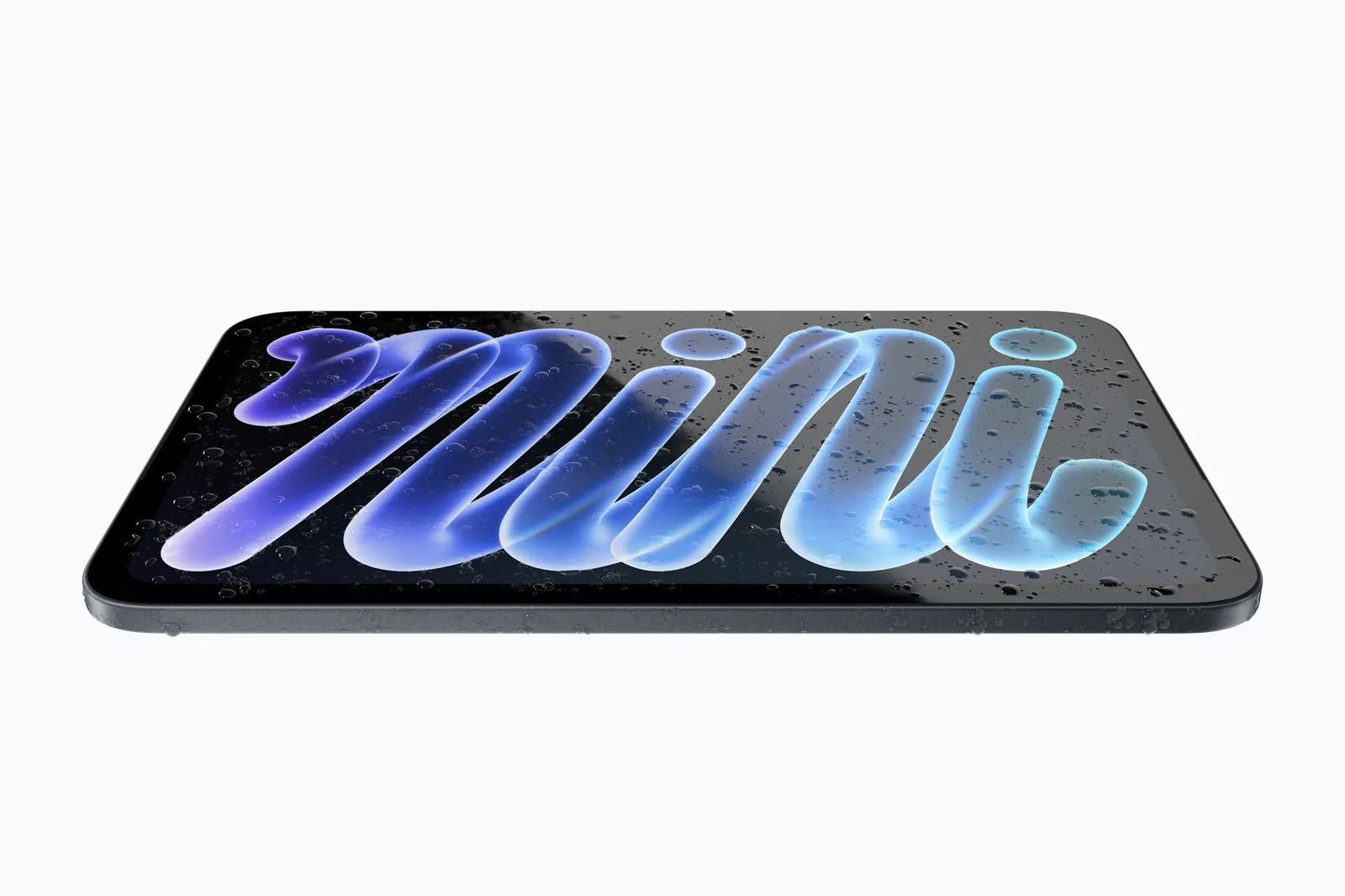
The page states the device has water and dust resistance. No IP rating number is given. Apple has used IP68 on recent iPads, but this page does not confirm that designation for this model. The absence of the number means the buyer cannot verify whether the seal is rated for submersion at a specified depth or only for splash exposure from any direction. The page does not state a test duration or a maximum depth.
The configuration the starting price would buy is the standard-glass 8.5-inch OLED with the A20 Pro. The configuration the headline number describes is the same device with the nano-texture glass. No price differential is stated between the two. The buyer cannot determine from this page whether the nano-texture option carries a surcharge or is included at the top storage tier. The page leaves open how many storage tiers exist and what their capacities are.
Absent from the page: a battery capacity, a weight, a thickness, a storage tier, a color, a frame material, and a connector type. The page does not state a release date beyond the unveiling date of October 26, 2026. The wire desk's summary references November 6 as an availability date, but the dossier's extracted facts from the page do not confirm that figure. The date is unmeasured.
The desk's judgment: the buyer is constrained by the absence of a price, a storage tier, and a battery figure. A 32-core Neural Engine in a sub-9-inch tablet is a specification that does not map cleanly to any workload Apple has previously demonstrated on a mini-class device. The page does not name an app, a model, or a benchmark that would justify the neural core count at this form factor. The fab question is whether the A20 Pro is a new tape-out or a bin of an existing die, and the page does not answer that. The buyer who needs to compare this device against a competitor's sub-9-inch tablet cannot do so from this page alone, because no performance measurement, no thermal figure, and no power draw are provided. The 32-core Neural Engine invites a question the page does not answer: what workload in an 8.5-inch device requires 32 dedicated neural cores, and what does that imply about the thermal budget of a device this thin? The page also does not state whether the Neural Accelerators in the GPU cores operate independently of the Neural Engine or share a unified memory path.
The iPad Air, for contrast, is the other tablet in Apple's current lineup that sits above the mini in screen size and below the full-size iPad in the price tier.
What is still unmeasured: the price, the storage options, the battery life, the exact weight, the exact thickness, the IP rating number, the refresh rate, the peak brightness, the process node of the A20 Pro, and whether the November 6 availability date is confirmed on the page or only in secondary reporting.
The buyer cannot price, benchmark, or thermally evaluate this device from the page alone. The 32-core Neural Engine in a sub-9-inch form factor has no stated workload to justify it.
The page states no price, no storage tier, no battery life, no weight, no thickness, no IP rating number, and no process node for the A20 Pro.
The A20 Pro's 32-core Neural Engine and per-GPU-core Neural Accelerators are architectural claims without a process node, clock, or power figure. The buyer has no basis for thermal or performance comparison against a competitor's sub-9-inch tablet.
After apple.com. We did not report this. The pictures, if any, are theirs. Also filed by 9to5Mac, MacRumors, ComputerBase.