MediaTek's C10 Max matches Kompanio Ultra 910 specs in Googlebook push
MediaTek's 3nm Dimensity CX C10 Max for Googlebook devices carries specs similar to the Kompanio Ultra 910 already in Chromebook Plus laptops.
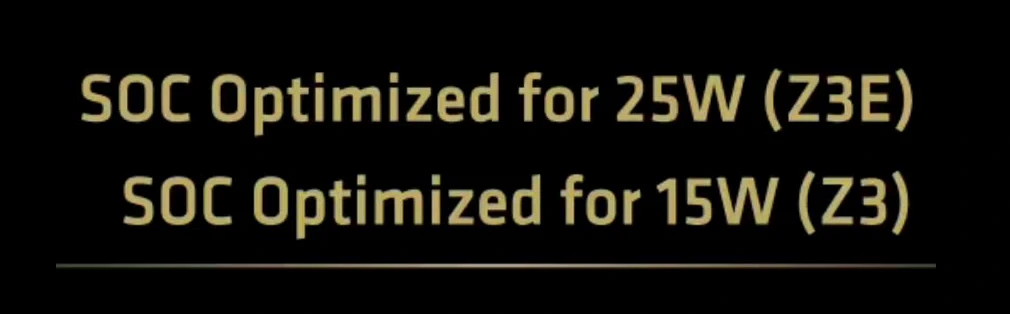
That's the process node MediaTek is touting for the Dimensity CX C10 Max, its next-gen SoC for Google's new 'Googlebook' initiative. The reality, per the specs that have surfaced, is parity. The C10 Max carries similar specifications to the Kompanio Ultra 910, a chip already shipping in Chromebook Plus devices today. The gap between the marketing language and the actual silicon is the story here.
The source provides no core count, no clock speed, no GPU architecture, no memory bandwidth figure. What it does confirm is the process node: 3nm. The Kompanio Ultra 910, its reference point, is a chip MediaTek has been pushing into the Chromebook Plus tier. The C10 Max is positioned as the successor for a new product category — Googlebook — that sits alongside Intel and Qualcomm offerings. The trade-off implied by 'similar specs' is that MediaTek is reusing or minimally iterating on existing silicon rather than introducing a new performance tier. The 3nm node is the differentiator, not the architecture.
Before: the Kompanio Ultra 910 in Chromebook Plus devices, a tier defined by mid-range performance and aggressive cost targets. After: the Dimensity CX C10 Max in Googlebook devices, pitched as an elevation of the same portfolio. The architectural delta, as far as the source reveals, is effectively zero. The node shrinks to 3nm, which buys efficiency and thermal headroom, but the spec sheet does not change shape. For a buyer comparing a Chromebook Plus against a Googlebook, the performance difference will come from the process node, not from a redesign. That is a modest uplift, not a category jump.
The source is thin — the full article body was not available, leaving only the headline and a single summary sentence. No core configuration, clock frequencies, GPU model, memory type or bandwidth, or NPU specifications were disclosed. The foundry for the 3nm die is unconfirmed, though TSMC is the likely candidate at that node. The 'Googlebook' initiative is undefined beyond the name — no form factor, no OS specification, no launch window. The 'elevating' claim is unquantified.
Watch for MediaTek to publish a spec sheet with core counts and clock speeds, which would confirm whether the C10 Max is a true architectural step up or simply a node-shrink rebrand. Watch Google for a formal Googlebook announcement that defines the category against Chromebook Plus. And watch Intel and Qualcomm for their own Googlebook SKUs — if all three vendors are shipping similar-tier silicon, the differentiation will come from software and ecosystem, not from the die.
The C10 Max appears to be a node-shrink iteration of the Kompanio Ultra 910 rather than a new architectural tier, limiting its differentiation to efficiency gains from the 3nm process. The Googlebook category's competitive positioning depends on whether Intel and Qualcomm bring meaningfully different silicon to the same slot.
3nm process node · Similar specs to Kompanio Ultra 910 · Kompanio Ultra 910 in Chromebook Plus · Googlebook alongside Intel and Qualcomm
After Tom's Hardware. We did not report this. The pictures, if any, are theirs.