HomeView: a Six-Person screen at $299
Apple's HomeView is a $299 smart home hub with a 7-inch Liquid Retina display, Siri AI, and face recognition for up to six household members, launching November 13.

| HomeView | |
|---|---|
| Price | $299 |
| Display | 7-inch Liquid Retina |
| Users | Up to 6 |
| AI | Siri AI (requires iPhone/iPad for some features) |
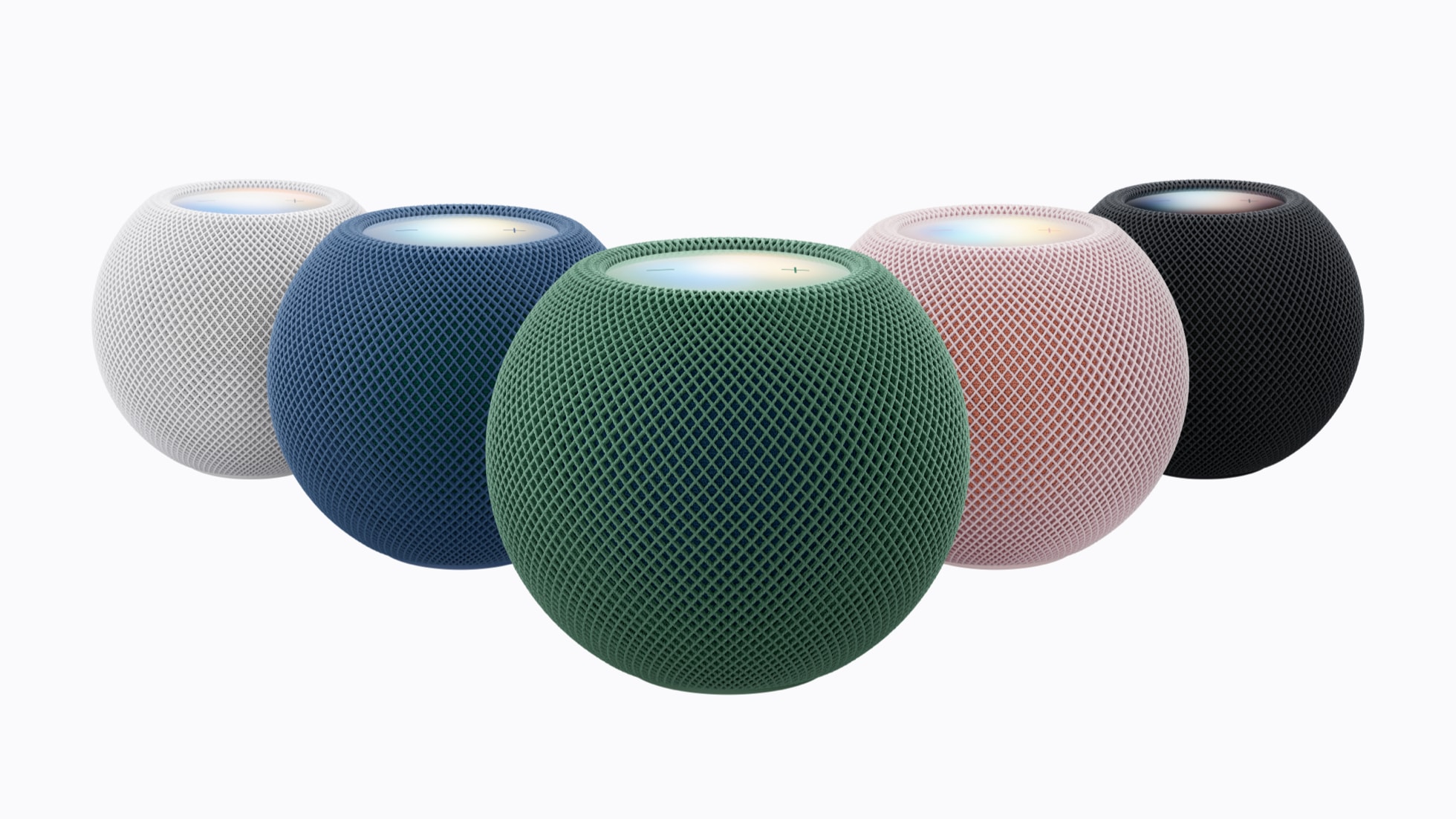
| Colors | 4 standard, 2 wall |
| Launch | November 13, 2026 |
| EU availability | Not available |
Apple's HomeView is $299, and the MacRumors recap of October 13, 2026 is the page that puts that number next to a 7-inch Liquid Retina display, Siri AI, and a six-person household. The device is a smart home hub. It is not a speaker, not a TV, not a tablet. It is a fixed screen that sits in the kitchen or the hallway and runs apps, widgets, and what Apple calls personalized content for up to six people.
The $299 buys the standard unit. A wall-mounted model costs more and gives you a smaller speaker. Apple's framing, as relayed through the recap, is that the wall model is a trade: you pay the premium, you lose audio output. The standard model comes in four colors. The wall model comes in two. The gap between those two configurations is the entire product-line decision a buyer makes at the register, and the recap does not state the wall model's price.
The recap states that HomeView needs an iPhone or iPad for some AI features. That means the hub is not self-contained for its most advertised capability. It borrows compute or identity from a phone that is in someone's pocket. The buyer who wants the full Siri AI experience must own an Apple phone or tablet in the same household, and the recap does not specify which features require the phone and which run locally.
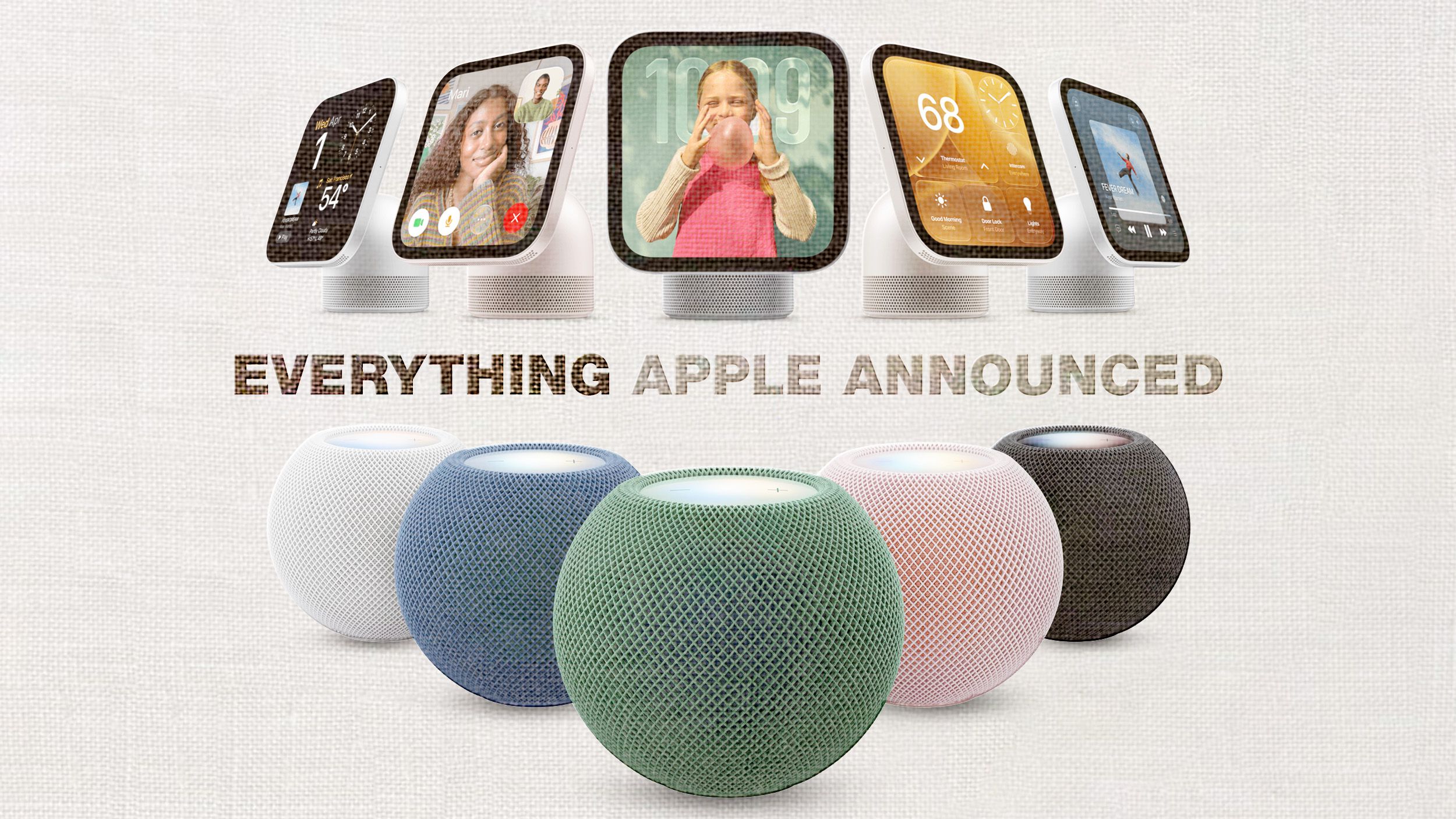
The personalization mechanism is face recognition. Greg Joswiak, Apple's SVP of Worldwide Marketing, is quoted in the recap saying the device is "designed to be shared by everyone in the home yet feel completely personal to each user." The screen recognizes a face and shifts from a household view to a personal one. Six people, one screen, one recognition system. The recap does not state how the recognition works, whether it is on-device or cloud-assisted, or what happens when two people are in frame simultaneously.
Apple says the display can dim to what the company calls its lowest-ever display brightness. That is a specification Apple is making about the panel, not a measurement Die Brief has taken. The recap does not give a nit value, a minimum brightness figure, or a comparison to the previous HomePod or Apple TV display. The claim is comparative within Apple's own product line, and the buyer cannot verify it against a number.
The recap lists guided recipes and hands-free timers as kitchen features. It also states that HomeView runs third-party apps from the user's iPhone or iPad. That is not a native app store on the hub. The apps live on the phone, and the hub is a display surface for them. The architectural consequence is that the HomeView is a rendering target, not a compute node. It shows what the phone decides to show.
The device will not be available in the European Union. The recap states this as a flat exclusion, not a delayed launch. For a product whose core identity is a shared household screen with face recognition, the EU exclusion is not a regulatory footnote. The buyer in the EU gets nothing from this launch.
The Apple TV 4K announced the same day is a different machine: a set-top box with an A19 chip, far-field microphones, and Wi-Fi 7, priced at $299 for the 128 GB model. It is the device that feeds content to a television. The HomeView is the device that sits in the room without a television.
The recap lists five privacy features Apple touts for the HomeView but does not itemize them on the page. It also does not state the wall model's price, the display resolution, the refresh rate, the chip name, or the power draw. A desk that collapses those gaps into a single sentence of "privacy features" is selling the buyer a summary, not a specification. The five features exist as a count, not as a list, in this document.
The judgment is this: the HomeView is constrained by its dependency on an iPhone or iPad for its most advertised AI capability, and the buyer cannot tell from this document which Siri AI features run locally and which require the phone. The $299 price buys a display that renders content from another device, a face-recognition system whose mechanism is not described, and a speaker that shrinks if you pay more. The wall model's price is the number Apple left out, and it is the number that determines whether the wall model is a niche or a trap.

What is still unmeasured: the wall model's price, the display resolution, the chip, the power draw, the itemized privacy features, and whether the face recognition runs on-device or in the cloud. None of those figures appear in the document Die Brief has.
The HomeView is a rendering target that borrows its AI from a phone, and the buyer cannot tell from this document which Siri AI features require that phone. The wall model's missing price is the number that determines whether the premium configuration is a niche or a trap.
The wall model's price, the display resolution, the chip name, the power draw, and the itemized privacy features are not in the document.
The HomeView is architecturally a display surface dependent on an iPhone or iPad for partial AI functionality. The $299 standard unit includes a 7-inch Liquid Retina panel, face recognition for six users, and a speaker. The wall model trades speaker output for a higher price that is not stated in the document. The EU exclusion is total, not delayed. The buyer's constraint is the phone dependency and the absence of a chip name, power figure, or itemized privacy list.
After apple.com. We did not report this. The pictures, if any, are theirs.