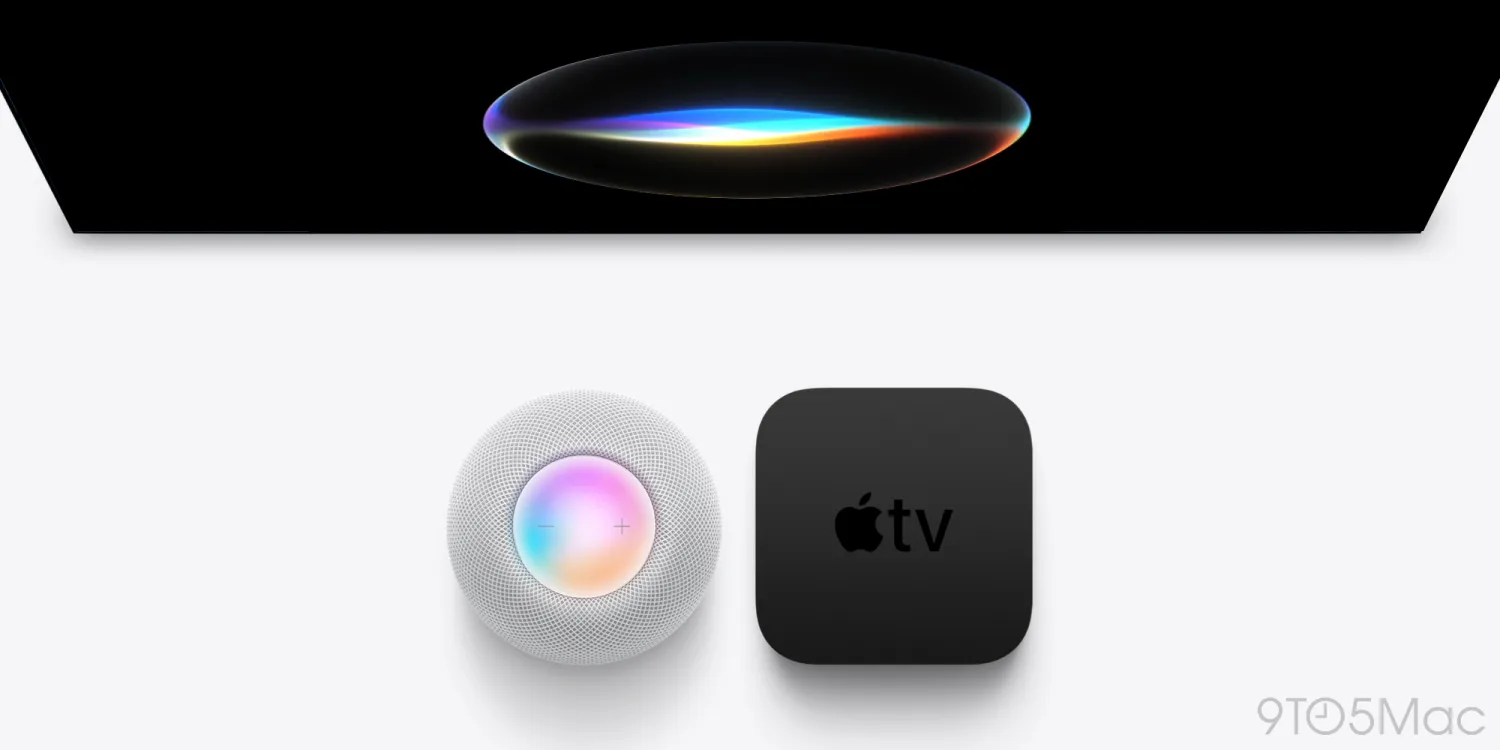
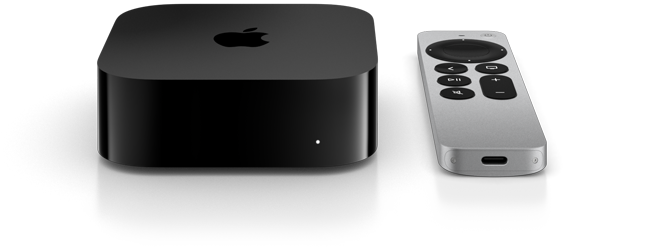
Apple TV 4K fourth generation enters pre-order with no spec sheet in the packet
Apple TV 4K fourth generation pre-orders are expected to open the week of October 11, 2026, with a launch date of October 13, per a MacRumors filing that the vendor's own storefront does not yet corroborate.
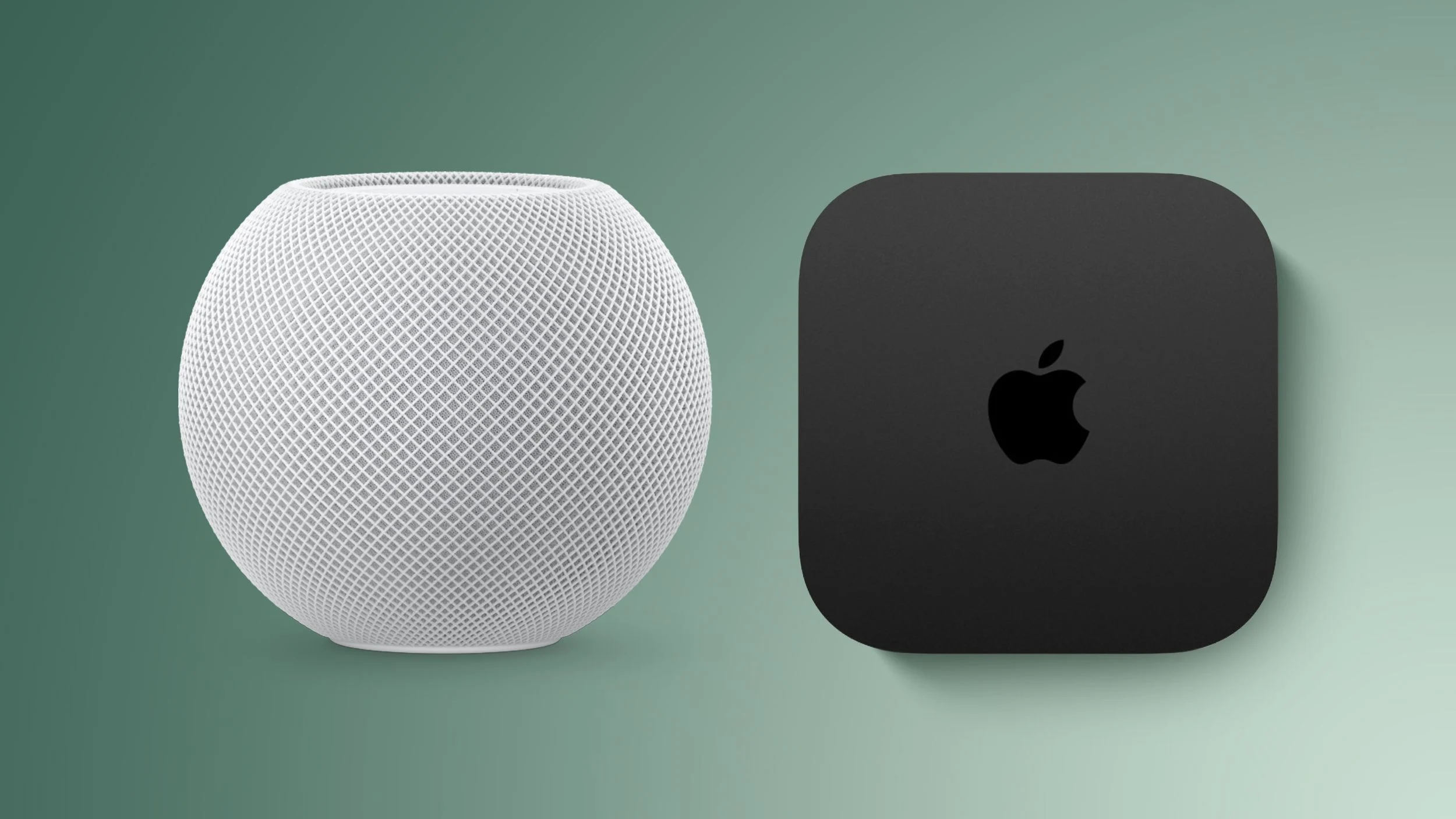
Pre-orders for the Apple TV 4K fourth generation are expected to open the week of October 11, 2026, with a launch date of October 13. That is the only hardware date in the packet. The vendor's own storefront does not yet carry the product, and no spec page for the box exists in the dossier. The filing is from MacRumors, dated October 11, 2026.
Tv.apple.com lists the Apple TV 4K as one of the devices on which the streaming service can be watched, alongside iPhone, iPad, Mac, Apple Vision Pro, and a list of third-party platforms including Samsung, LG, VIZIO, Sony, Xfinity, Roku, Fire TV, Google TV, PlayStation, Xbox, Hisense, and TCL. The page states that a buyer of an Apple TV 4K receives three months of the subscription at no charge, and that if a buyer has recently purchased Apple hardware that includes a free trial, the offer will automatically appear in the Apple TV app when signed in. The subscription itself is $14.99 per month after a seven-day free trial. It also notes that the Apple Music Student Plan includes free access to Apple TV, and that the service can be shared with up to five family members at no additional cost.
The same page names an Apple TV and Peacock bundle starting at $17.99 per month, with a claim that bundle subscribers save over 30 percent compared to subscribing to each service separately. That is a subscription price, not a hardware price. The dossier contains no figure for the box itself, no configuration tier, and no SKU. The only dollar figures in the packet are monthly subscription rates.
Apple's main storefront at apple.com lists the iPhone 18 Pro with pre-orders starting 5:00 a.m. PT on October 16 and availability on October 23, the Apple Watch Series 12 described as having the most accurate heart rate sensing in a wearable, the Apple Watch Ultra 4 described as having a battery you cannot outrun, the MacBook Air now supercharged by M5, the iPad Air now supercharged by M4, and the AirPods Pro 3 described as having the world's best in-ear active noise cancellation. The Apple TV 4K is absent from that lineup. The Norwegian storefront at apple.com/no mirrors the same set, adding a trade-in offer for iPhone 13 or newer with a gift card between 1,000 and 1,500 Norwegian kroner, and a note that the offer expires on October 22. Neither page names a fourth-generation Apple TV 4K, a price, or a pre-order button for the set-top box.
The HomePod Mini 2 shares the same October 13 window in the filing, but it is a speaker and gets its own article. The packet treats the two as a paired announcement rather than two independent launches.
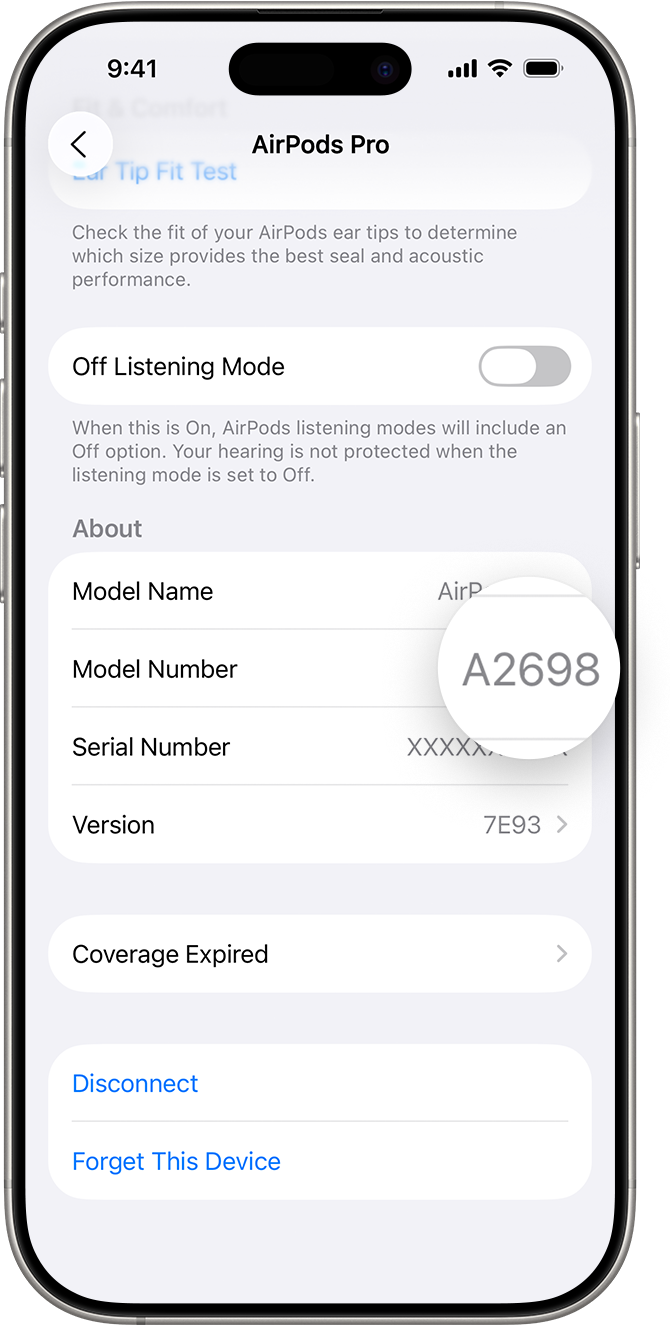
No chip designation appears in the packet, and no memory figure, wattage, decode specification, or configuration tier is stated. No base price for the hardware, no storage option, and no process node appear in the dossier. The filing does not name a SKU and does not confirm whether the product carries an A-series or M-series silicon. The previous generation's configuration is not referenced anywhere in the dossier, so there is no baseline against which to measure what the fourth generation adds or removes.
The buyer is being asked to pre-order a device whose configuration table does not exist on the vendor's own site. Apple has historically published full specs, including chip name, memory options, and pricing, before opening pre-order for a hardware product, and the iPhone 18 Pro on the same storefront carries a full spec sheet with pre-order and availability dates. The absence here means the filing is running ahead of the vendor's own documentation, and the constraint falls on the buyer, who cannot compare the fourth generation against the unit already in the living room because the packet does not state what changed. This is not a trade-in story; it is a pre-order story with a missing spec sheet.
The fact that tv.apple.com already references the Apple TV 4K as a viewing device, and that the three-month free trial is explicitly tied to a hardware purchase, suggests the product is in final integration with the service layer. The subscription page is live and functional, and the content catalog is populated with current titles including Ted Lasso, Slow Horses, Dark Matter, and Brothers. But that is an inference from a streaming storefront, not a confirmation from a hardware spec sheet. The service is ready; the box is not yet documented.
The streaming page also states that starting in 2026, Apple TV will stream every Major League Soccer match and every Formula 1 Grand Prix for U.S. viewers, including every practice lap, qualifying session, and race, and that Apple TV is included in Apple One, which bundles up to five other Apple services into a single monthly subscription. The page lists Friday Night Baseball with two MLB matchups each Friday during the regular season. These are service-layer commitments tied to the subscription, not to the hardware. The box is the delivery mechanism; the content schedule and the bundle structure are the product the buyer is actually purchasing. The dossier does not state whether the fourth generation changes the Apple One bundle or adds a new tier.

The Apple support pages in the packet, both English and Norwegian, do not mention the Apple TV 4K fourth generation. They reference service programs for the Mac mini for a no-power issue, the iPhone 14 Plus for a rear camera issue, and the 15-inch MacBook Pro for a battery recall. They also carry general guidance on counterfeit parts, gift card scams, and Apple's approach to designing for longevity. The absence of a service program for the new box is not unusual at pre-order stage, but it means there is no repair or warranty documentation to cross-reference against the filing.
If the fourth generation carries an M-series chip rather than an A-series, the thermal and power envelope changes, and the enclosure design follows. The dossier does not state which silicon is inside, and without that figure the buyer cannot assess whether the box will run cooler, draw less power, or support a higher-resolution decode pipeline than the unit it replaces. A buyer who pre-orders on October 11 is committing to a configuration that the vendor has not yet published on its own storefront. The only fixed point is the date, and the only price in the packet is a monthly subscription rate, which is not the price of the hardware.
The document does not measure a clock speed, a memory bandwidth, a decode throughput, or a hardware price. It does not name a process node or a storage tier. The October 13 date is the only fixed point in the packet, and everything else is a subscription price or a service-program reference.
The buyer is committing to a configuration that the vendor has not published, and the only price in the packet is a monthly subscription rate, not a hardware price. The constraint is on the buyer, who cannot assess what changed from the prior generation because the dossier contains no baseline.
The document does not measure a chip name, a memory figure, a wattage, a process node, or a hardware price.
The filing runs ahead of the vendor's own documentation. No spec sheet, no SKU, no chip name, no memory figure, no hardware price exists in the packet. The service layer is live; the hardware documentation is not.
October 13, 2026 launch date · $14.99/month Apple TV subscription · $17.99/month Apple TV + Peacock bundle · 3 months free Apple TV with hardware purchase · 7-day free trial · 5 family members included
After @markgurman. We did not report this. The pictures, if any, are theirs.