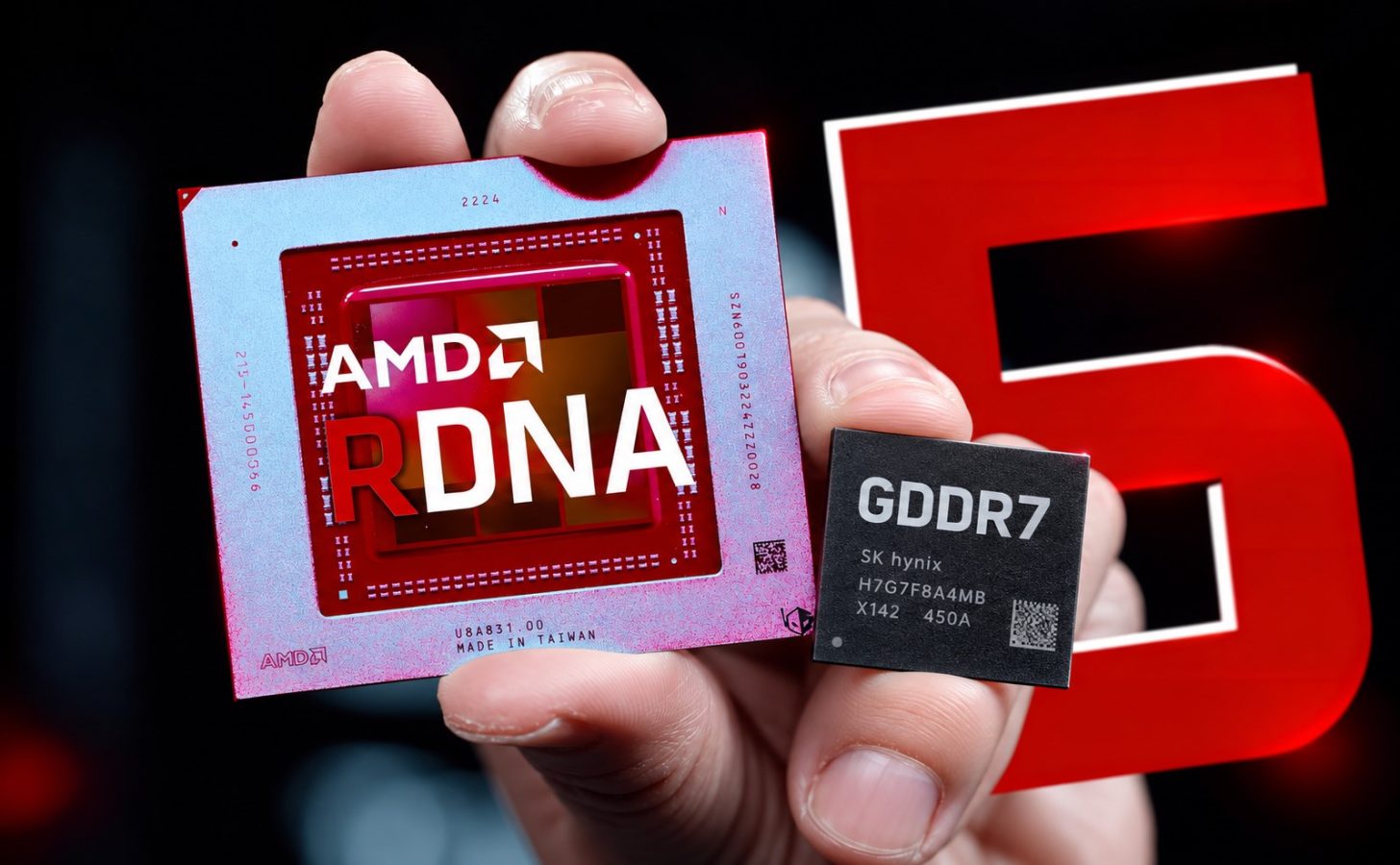
DRAM die value per area now exceeds TSMC N3 compute silicon
AI-driven demand has pushed DRAM die value per square millimeter past what TSMC charges for its N3 compute wafers, per Tom's Hardware.
Memory is now the most expensive thing on a board, measured per square millimeter. That inversion has been building for two years, but Tom's Hardware reports it has crossed a threshold: DRAM die value per area now exceeds what TSMC charges for its N3 compute wafers. For the person buying a system, this means the component you never think about is quietly eating the budget. The practical effect is that memory allocation decisions become a pricing decision, not just a performance one.
The comparison is per-area, not per-die. A DRAM die is small and dense; a TSMC N3 compute die is large and complex. Normalized to dollars per square millimeter of silicon, DRAM now wins. The source gives no specific dollar figure, no specific DRAM node, no specific TSMC N3 wafer price. What it does establish is the direction of the crossover: memory has moved from a commodity input to the highest-value real estate on the wafer. For a system integrator pricing a board, that shifts where margin pressure lands and which component gets the first cut of any cost-reduction target.
Before this crossover, the compute die was the cost anchor in any AI-adjacent system. A TSMC N3 wafer carrying a large accelerator or CPU die commanded the highest per-area value; memory was a secondary line item. Now the relationship has flipped. The end-user consequence is straightforward: RAM pricing in consumer and prosumer systems will track DRAM contract prices more tightly than it has in a decade. If you are building a workstation or buying a server, the memory slot is where your dollar goes first. The source does not quantify the gap, but the directional shift is the operative fact.
What the source does not say: which DRAM node is being compared (DDR5, HBM3, HBM3E, or a mix), what the actual per-mm² figure is, whether this applies to all DRAM or only high-bandwidth variants, and when the crossover occurred. No vendor beyond TSMC is named. No timeline is given. The claim rests on a single editorial assertion from Tom's Hardware without a cited data source or methodology.
Watch DRAM contract pricing for the next two quarters. If the per-area value gap holds or widens, expect system OEMs to pass the cost through to retail RAM modules and to restructure BOMs around memory. Also watch whether new DRAM fab capacity coming online in 2025-2026 compresses the spread. The consumer price of a 32 GB DDR5 kit is the most visible barometer for whether this is a structural shift or a cyclical spike.
Desk take
The per-area value crossover between DRAM and leading-edge compute silicon inverts the traditional BOM hierarchy, making memory the primary cost driver in AI-adjacent systems. Without a cited data source or specific node identification, the claim remains directional rather than quantified.
Memory becomes the primary cost driver in system BOMs, shifting pricing leverage from compute to DRAM suppliers.
Source dispatch
DRAM makers may potentially get more money for their wafers than TSMC gets for its N3 wafers.